Photo via Fast Company
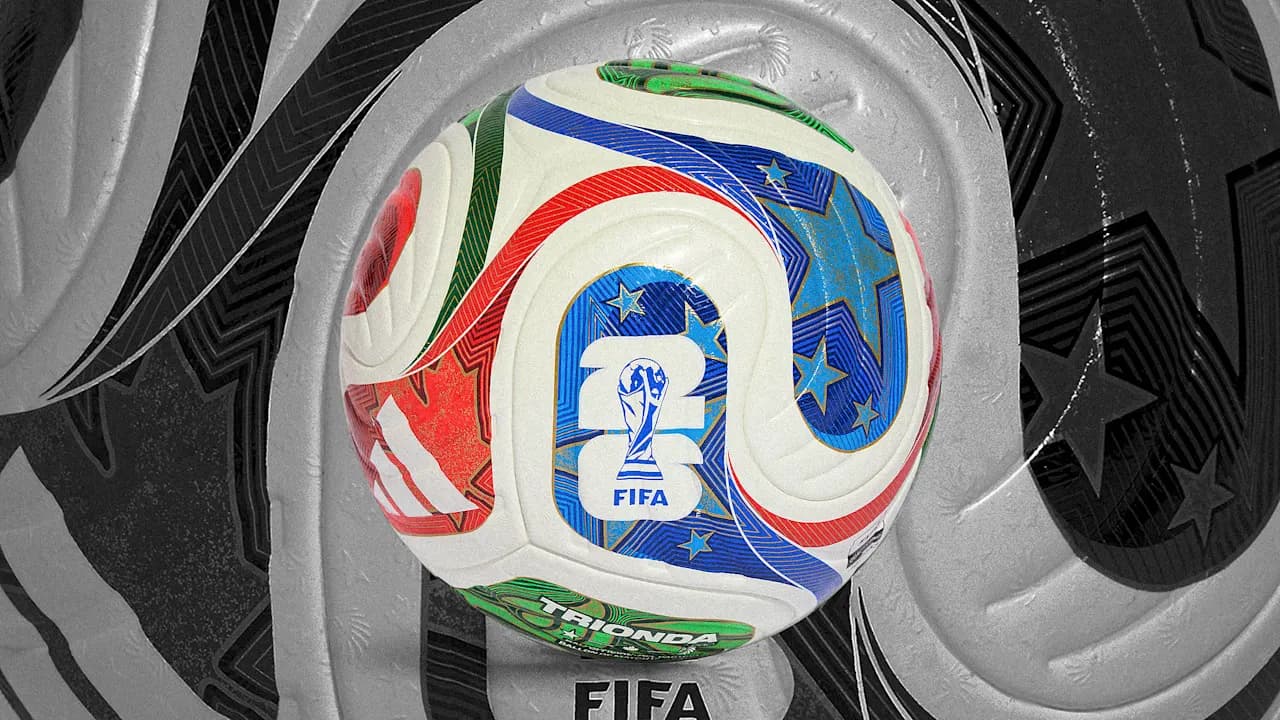
Every four years, the FIFA World Cup introduces a redesigned match ball, and this year's iteration—the Trionda—represents a significant leap in sports equipment engineering. According to Fast Company, Adidas has supplied World Cup balls since 1970 and makes deliberate changes to each tournament's official ball. The 2026 ball marks the first time in men's World Cup history that matches will be played with a four-panel design, a substantial departure from traditional multi-panel construction that has defined soccer balls for decades.
The Trionda's engineering reflects lessons learned from previous World Cups, particularly the infamous 2010 Jabulani ball that became notorious for unpredictable flight patterns. According to aerodynamic testing conducted by physics engineers, the new ball incorporates intentionally deep seams and pronounced grooves to manage airflow and prevent erratic behavior. Wind tunnel testing at the University of Tsukuba measured the ball's drag coefficient and found that it reaches its critical speed threshold at approximately 27 mph—lower than recent predecessors—which should provide more consistent performance during corner kicks and free kicks.
However, trade-offs exist in the design. Testing revealed that at higher speeds, the Trionda experiences somewhat larger drag coefficients than previous models, suggesting that hard-hit long balls may lose a few meters of range. For Dalton-area sports retailers and equipment distributors, understanding these performance characteristics will be important for customer education and positioning inventory as fans prepare for the tournament. The ball's behavior will directly impact how the game is played and ultimately influence consumer interest in World Cup merchandise and viewing parties.
Beyond aerodynamics, the Trionda includes embedded 'connected-ball technology' that assists referees with offside decisions and VAR systems. Unlike previous implementations, this generation's sensor sits within a panel layer with counterbalancing weights distributed across the other three panels. As sports technology continues to evolve, equipment manufacturers and regional businesses in the sports sector should monitor how innovations in officiating technology and performance engineering shape market opportunities and consumer expectations around major sporting events.