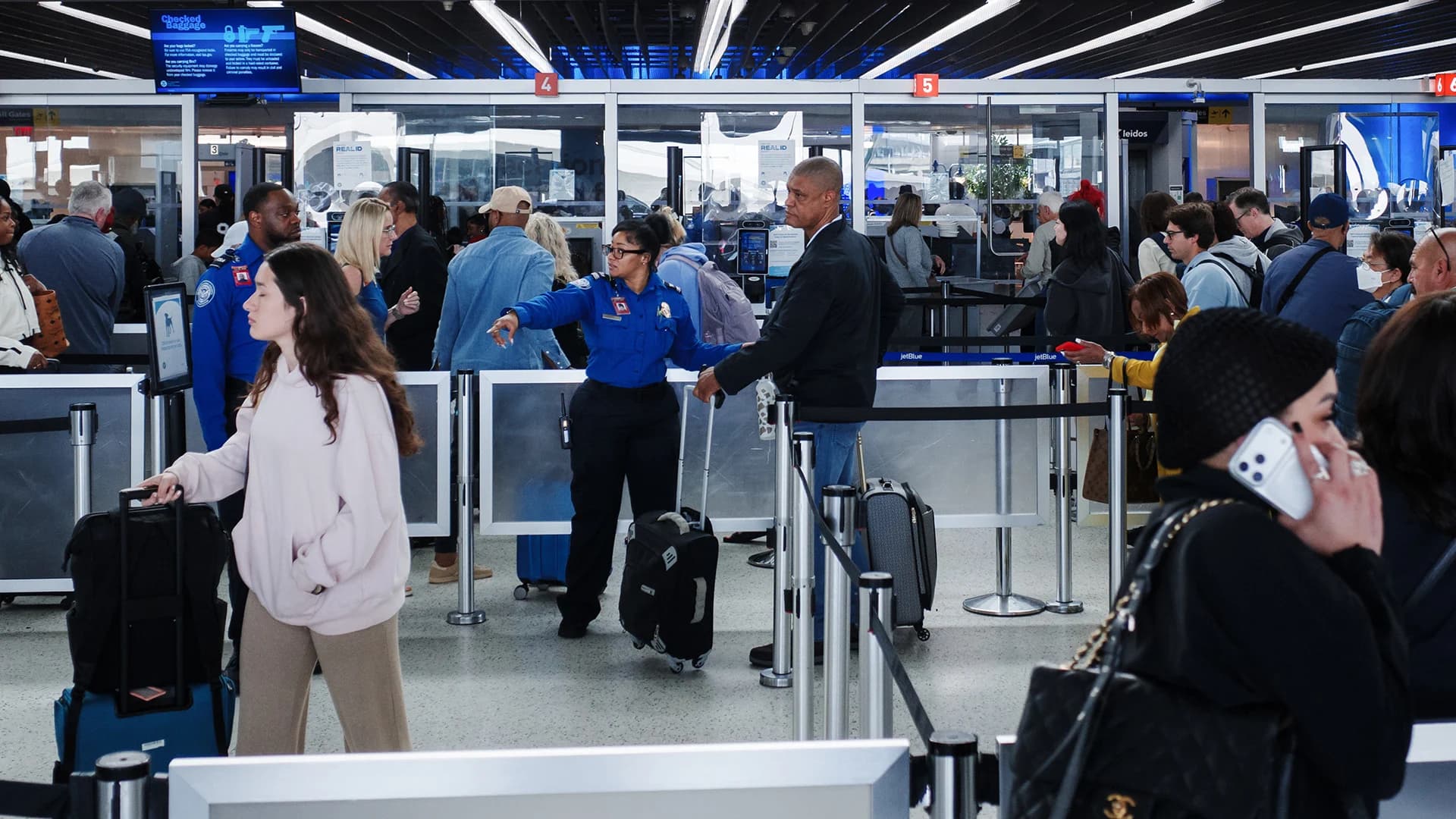
Photo via Inc.
The Transportation Security Administration is exploring a significant modernization of airport security operations through its Gold+ initiative, which aims to integrate artificial intelligence and private sector partnerships into screening processes. According to Inc., this approach represents a shift toward leveraging technology to streamline what has traditionally been a government-led function, potentially affecting how travelers and businesses navigate air travel across the country.
For businesses in the Dalton area that rely on air travel for operations or have employees frequently using regional airports, these changes could have practical implications. Hartsfield-Jackson Atlanta International Airport, the world's busiest airport just 90 minutes south, would likely be among the early testing grounds for such initiatives, making this development particularly relevant to Northwest Georgia's business community.
The integration of AI into security operations raises both opportunities and questions. Proponents suggest automation could reduce wait times and improve efficiency, potentially benefiting the logistics and supply chain sectors that depend on timely air cargo operations. However, the shift also introduces considerations around technology implementation, workforce adaptation, and the balance between automation and human oversight in security protocols.
As the TSA continues developing this initiative, Dalton-area business leaders should monitor how these changes might affect their operations, travel patterns, and supply chain efficiencies. The outcome could influence everything from employee travel costs to the competitive positioning of businesses that depend on reliable air transportation infrastructure.