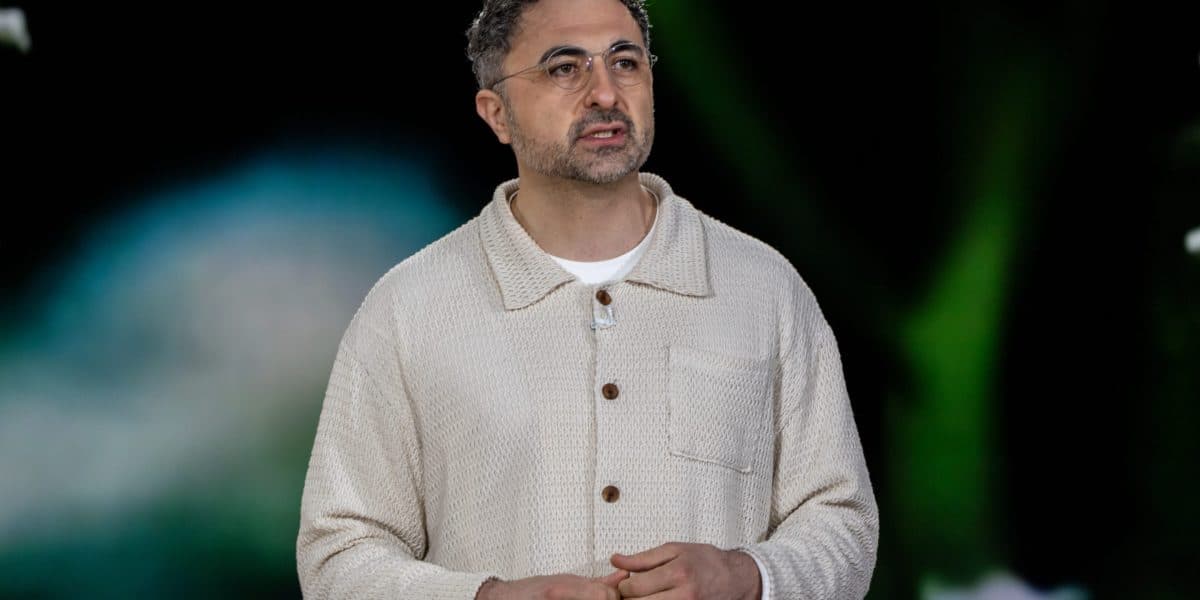
Photo via Fortune
According to Fortune, Mustafa Suleyman, chief executive of Microsoft AI, has warned that the acceleration of artificial intelligence computational power will fundamentally reshape how office-based work gets done. His 18-month timeline represents a significant marker for business leaders across industries—from accounting firms to professional services—who depend on traditional knowledge work and computer-based tasks.
The implications for Dalton's business community are substantial. Many local companies employ workers in administrative, financial, and technical roles that could be significantly impacted by widespread AI automation. Firms in transportation, manufacturing support, and professional services should begin evaluating how these technologies might affect their workforce and operational efficiency in the near term.
Rather than viewing this timeline as purely disruptive, forward-thinking Dalton businesses are using this window to strategize. Companies can invest in reskilling employees, identifying which roles are most vulnerable to automation, and determining where AI tools might enhance rather than replace human workers. Early adoption could provide competitive advantages in recruitment and productivity.
For business owners and executives in our region, the message is clear: the 18-month horizon is not distant. Now is the time to assess your company's AI readiness, engage with your workforce about potential changes, and develop a thoughtful transition strategy that protects your competitive position while preparing employees for the evolving workplace.