Photo via CNBC Business
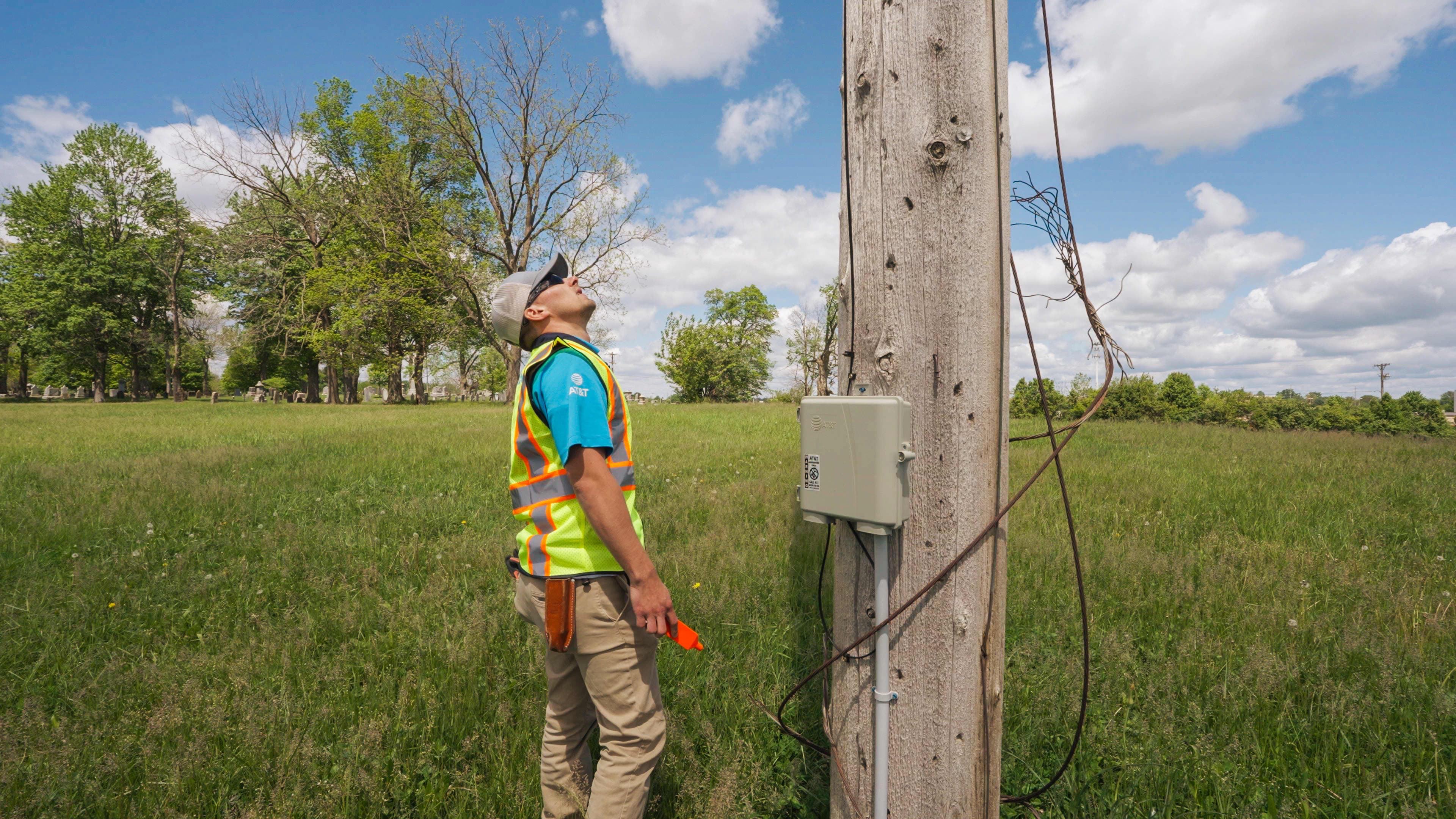
The artificial intelligence economy is fundamentally reshaping hiring patterns across American industries, and the implications for the Dalton region could be significant. According to CNBC Business, major corporations are reducing entry-level positions for college graduates while simultaneously accelerating recruitment efforts for skilled trade workers. This shift represents a potential windfall for regions like ours, where manufacturing and logistics have long depended on a robust blue-collar workforce.
Companies including automotive manufacturers and telecommunications giants are leading this charge, recognizing that specialized technical skills command premium wages and offer more stable career trajectories than traditional entry-level corporate roles. For Dalton's business community—particularly those in flooring, chemicals, and advanced manufacturing—this trend underscores the market value of hands-on expertise. Local employers may find themselves in a stronger competitive position to attract and retain talent as national demand for skilled workers intensifies.
The implications extend beyond individual job seekers. This reorientation of the American Dream away from college-first pathways could reshape educational priorities and workforce development strategies across Georgia. Technical training programs, apprenticeships, and vocational partnerships become increasingly valuable investments for regional economic development. Dalton-area businesses should consider how they can leverage this moment to build stronger pipelines of skilled workers.
For business leaders and entrepreneurs in our region, the message is clear: the premium is shifting toward practical, demonstrable skills over credentials alone. Companies that invest in training, apprenticeship programs, and career pathways for skilled trades may find themselves with competitive advantages in both talent acquisition and long-term workforce stability.