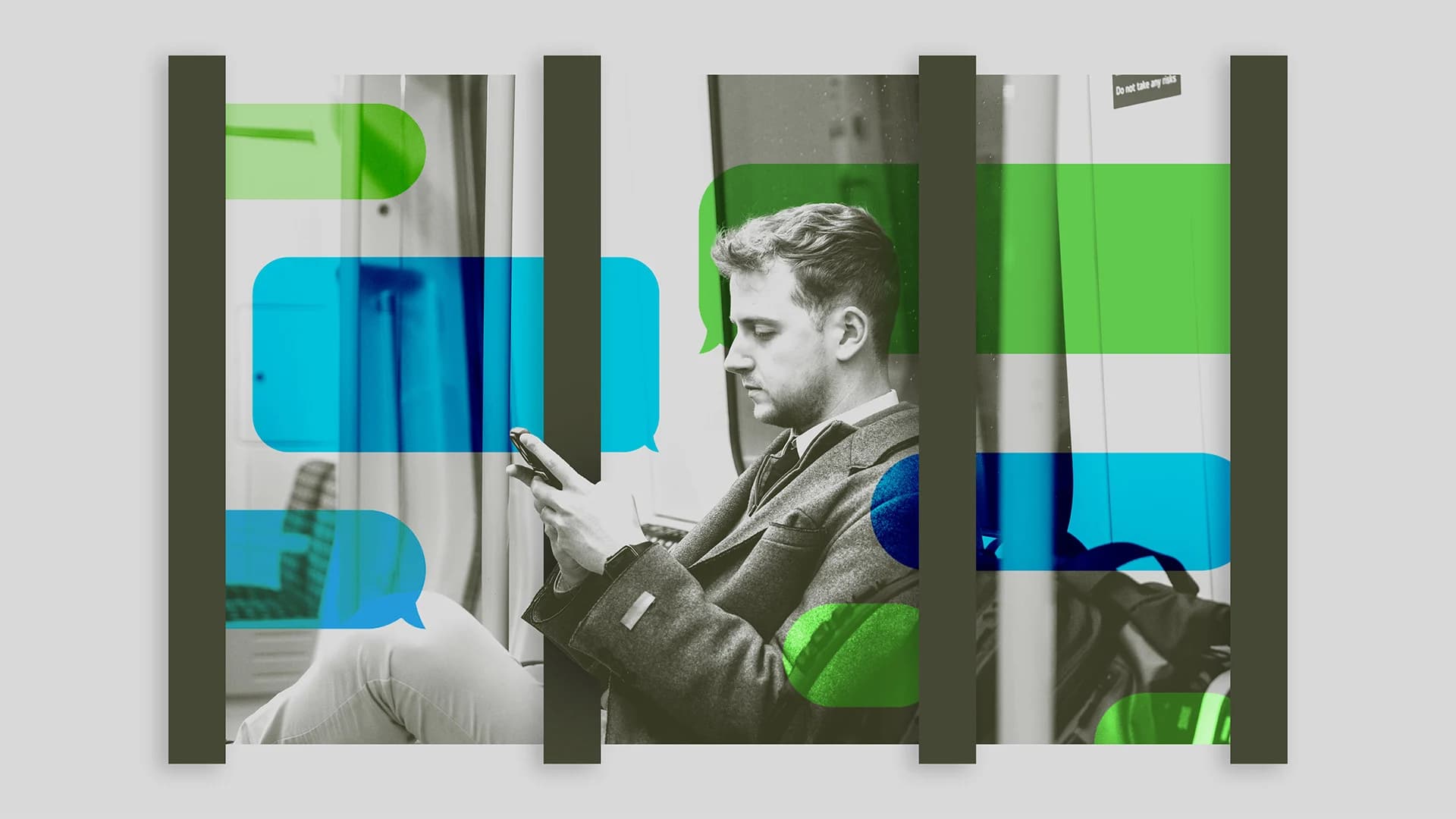
Photo via Inc.
As digital solutions continue to reshape how we work and communicate, a growing number of people are experimenting with AI chatbots as a remedy for loneliness. According to research cited by Inc., however, this trend may backfire. Rather than alleviating isolation, AI-based companionship appears to deepen feelings of disconnection for many users.
The appeal is understandable. Chatbots are available 24/7, responsive, and free from judgment. For business professionals in Dalton navigating high-stress industries like flooring manufacturing or logistics, the promise of instant conversation is tempting. Yet the research indicates that interactions lacking genuine human reciprocity and emotional depth ultimately leave users feeling more isolated than before.
This finding carries implications for workplace culture and employee wellness in our community. Companies considering AI tools as part of employee engagement strategies should weigh whether such technology might inadvertently harm mental health and workplace relationships. The most sustainable solutions for employee satisfaction likely involve fostering authentic human connections rather than digital substitutes.
For Dalton-area business leaders, the takeaway is clear: while AI offers tremendous value for productivity and operational efficiency, it cannot replicate the value of genuine human interaction. As technology continues evolving, maintaining investment in real workplace relationships and community-building remains essential for both employee wellbeing and long-term organizational success.