Photo via Fast Company
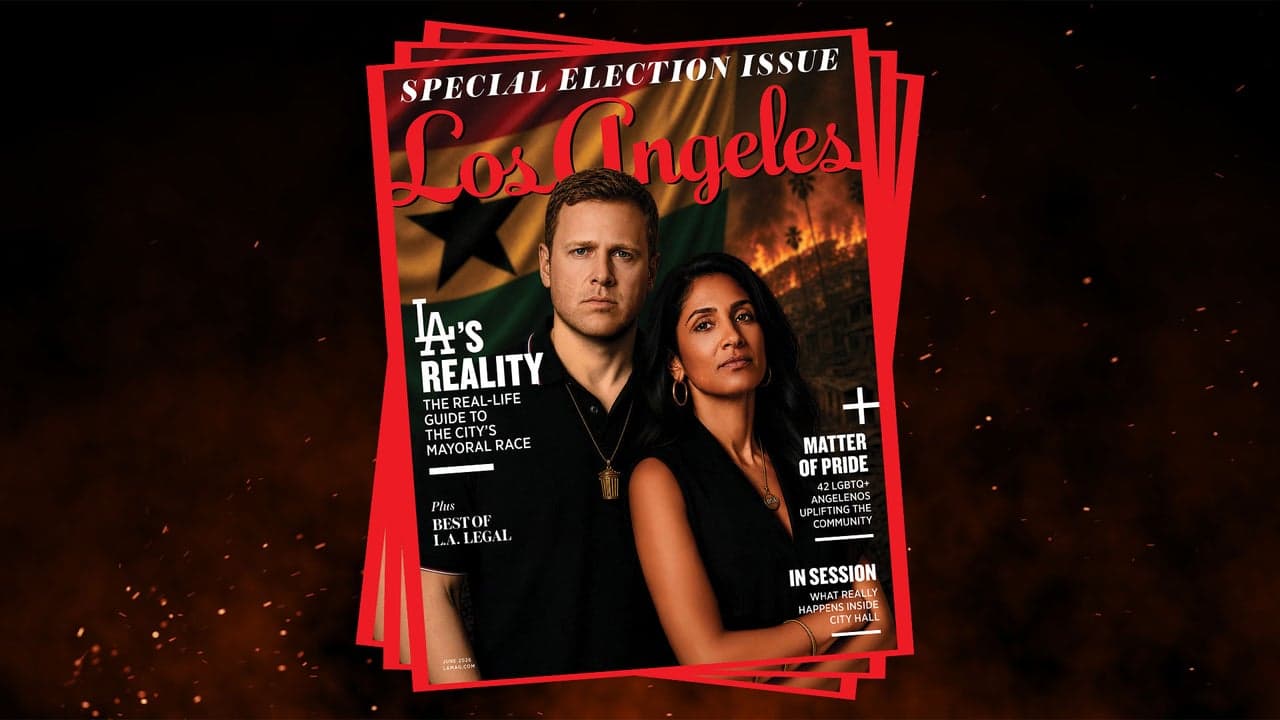
When Los Angeles magazine released an election-themed cover featuring artificially generated images of mayoral candidates, the publication framed it as bold editorial commentary on how AI influences modern politics. However, the backlash was swift and overwhelming. Readers and industry observers questioned why a reputable publication would substitute AI-generated imagery for actual photography or commissioned artwork, particularly when real alternatives existed.
The controversy raises important questions for business communicators in the Dalton region. As AI tools become increasingly accessible and affordable, many organizations face the temptation to use them for cost savings. Yet the Los Angeles magazine example demonstrates that audiences—particularly professionals and stakeholders—often view AI shortcuts as a lack of investment in quality and authenticity. According to reporting on the incident, even the magazine's own editorial staff reportedly opposed the decision, suggesting internal conflict over the direction.
What makes this case study particularly relevant for local business leaders is the reputational risk. Critics pointed out that the publication's 1960s heyday was built on striking, hand-painted cover art created by skilled artists. By opting for AI generation, the magazine alienated its audience and undermined decades of brand credibility. For Dalton businesses relying on print materials, digital marketing, or branded content, the lesson is clear: cutting corners with technology often costs more in lost trust than hiring qualified human designers would have.
As AI becomes a standard business tool, the question isn't whether to use it, but how to use it responsibly. The smartest approach balances automation for efficiency with human creativity for impact. For Dalton-area companies building their brand and communicating with customers, investing in talented local designers, writers, and communicators remains a competitive advantage—one that AI alone cannot replicate.