Photo via Entrepreneur
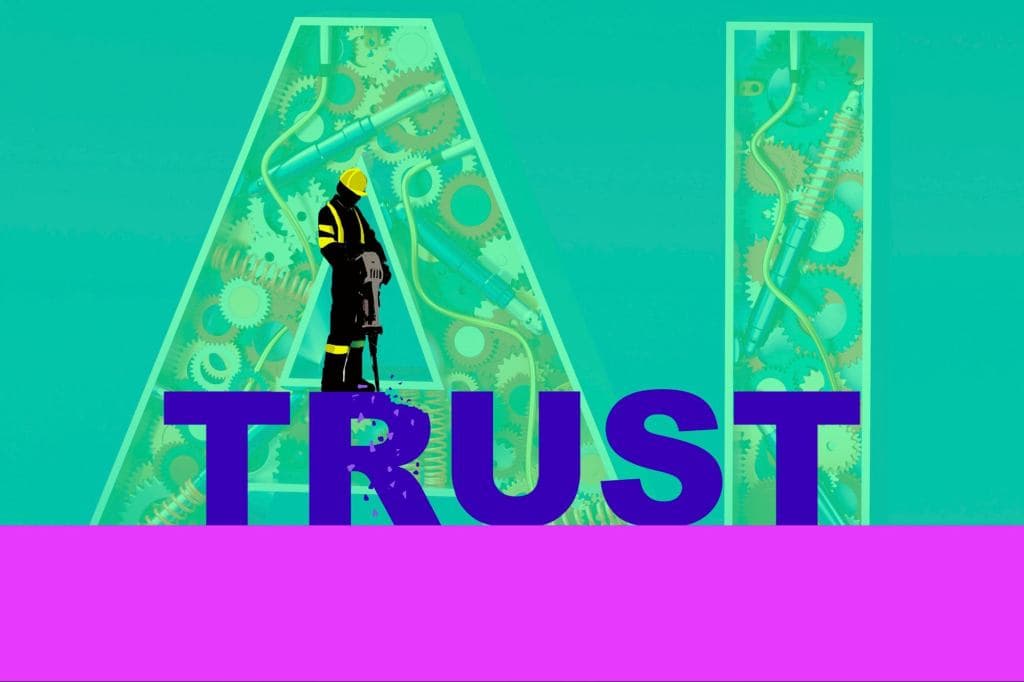
Dalton's industrial and manufacturing sectors are increasingly turning to artificial intelligence to streamline operations, reduce costs, and stay competitive. Yet according to business leadership research from Entrepreneur, the technology itself isn't the primary obstacle—miscommunication is. When leaders roll out AI initiatives without clear explanation of the 'why,' the 'how,' and the impact on workforce roles, employee uncertainty and resistance can derail even well-designed projects.
The stakes are particularly high in Dalton's logistics and manufacturing clusters, where workers have deep institutional knowledge and skill sets. When AI implementation is announced without context, employees naturally assume the worst: job elimination, skill obsolescence, or sudden operational upheaval. This anxiety spreads quickly through shop floors and warehouses, eroding the trust that makes organizational change possible. Transparent leadership during these transitions is not just ethically sound—it's a competitive necessity.
A straightforward communication framework can bridge this gap. Leaders should articulate what AI changes are coming, explain how they'll reshape specific roles and workflows, provide concrete timelines, and outline support for workforce adaptation—whether through retraining programs or new role opportunities. In Dalton's tight-knit business community, where reputation and relationships matter, this clarity demonstrates respect for employees and commitment to shared success. Companies that invest in honest dialogue during AI transitions typically see faster adoption and stronger retention.
For Dalton business leaders implementing AI systems, the lesson is clear: silence breeds anxiety; clarity builds momentum. By communicating early, often, and honestly about technology changes, leaders protect organizational culture, maintain competitive momentum, and position their teams to thrive—not merely survive—in an AI-enabled future.