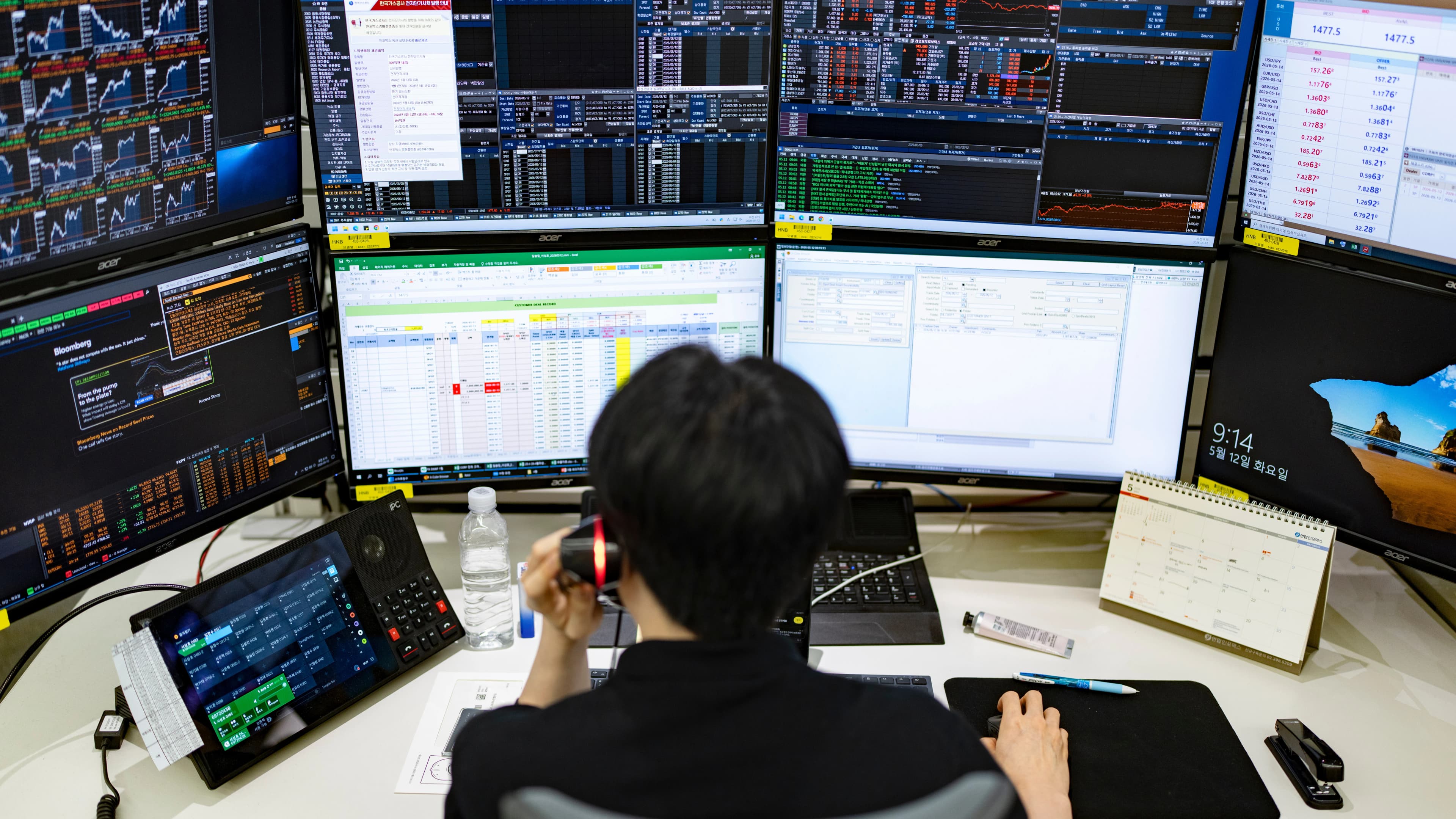
Photo via Inc.
The artificial intelligence investment surge that has dominated global markets relies more heavily on a single nation than most investors realize. According to Inc., South Korea's equity markets have experienced explosive growth over the past two years, nearly tripling in value as the country positions itself as a critical hub in the AI infrastructure buildout. For Dalton-area manufacturers and logistics companies that depend on semiconductor supply chains and technology partnerships, understanding this dependency matters significantly.
South Korea's dominance in chip production, particularly through companies like Samsung and SK Hynix, makes it essential to the AI ecosystem. These manufacturers supply critical components that power data centers, cloud computing platforms, and AI applications worldwide. Any disruption to South Korea's economy—including potential interest rate increases by its central bank—could create bottlenecks in the technology supply chains that support U.S. businesses, including those in Northwest Georgia's growing tech and manufacturing sectors.
A looming interest rate decision in South Korea presents real risk to this concentration of economic power. If rates rise significantly, it could cool investment in the technology sector, reduce capital available for expansion, and ultimately constrain the semiconductor supply that American companies depend on. For Dalton businesses operating in logistics, warehousing, or industrial manufacturing, such constraints could affect product availability, increase costs, and reshape regional supply chains that have developed around current economic conditions.
Local business leaders should monitor South Korean economic indicators and policy developments as closely as traditional domestic market data. The interconnectedness of global AI investment means decisions made in Seoul can impact operations and planning in Dalton. Companies relying on semiconductor availability or participating in technology supply chains should consider diversification strategies and maintain flexibility in their sourcing and capital planning.