Photo via Entrepreneur
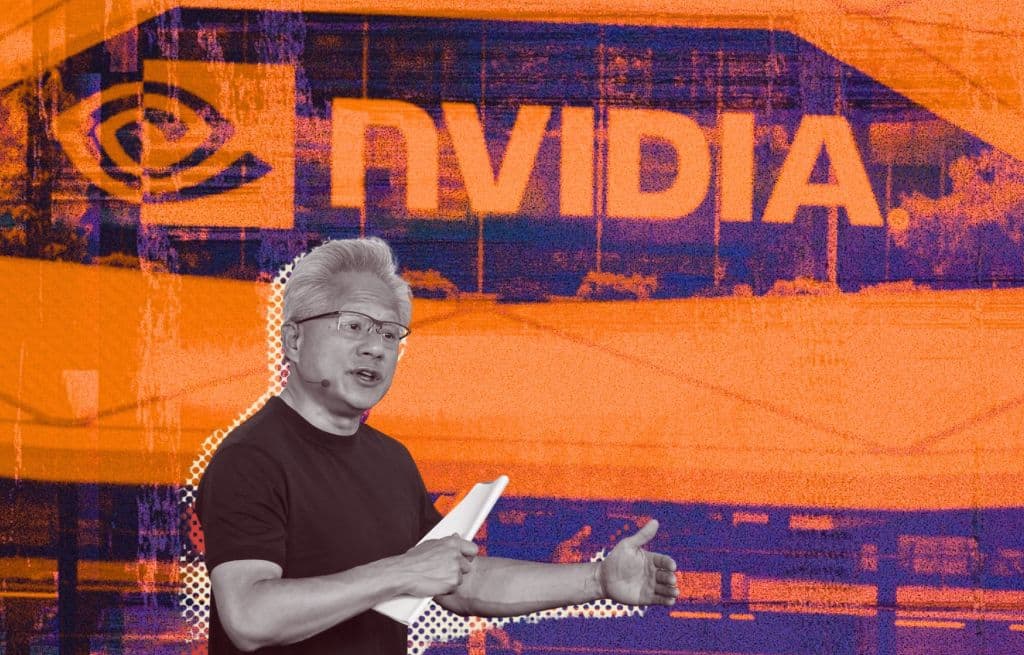
Business leaders across industries have increasingly pointed to artificial intelligence as justification for recent layoff announcements. However, according to reporting from Entrepreneur, Nvidia CEO Jensen Huang has challenged this narrative, suggesting that attributing job cuts solely to AI adoption represents a lack of candor from company executives.
Huang's criticism underscores a growing tension in how corporate America communicates about technological disruption. Rather than accepting AI as an inevitable force requiring workforce reduction, the tech executive argues that leaders should examine their own strategic decisions and operational challenges more honestly. This perspective matters for Dalton-area businesses navigating their own digital transformation, as it suggests that technology implementation choices—not technology itself—drive employment outcomes.
For manufacturers, logistics providers, and other sectors central to Northwest Georgia's economy, Huang's message carries practical implications. Companies considering AI investments should evaluate whether the technology genuinely requires headcount reductions or whether leadership is using it as cover for other business pressures. The distinction affects how organizations communicate with employees, communities, and stakeholders about their long-term vision.
As more Dalton businesses weigh AI adoption, Huang's cautionary message suggests that executives should pair technological investment with transparent dialogue about workforce planning. Rather than treating AI as an external force driving decisions, leaders might better serve their organizations—and their communities—by taking ownership of how they choose to implement new tools and manage the human impact of those choices.