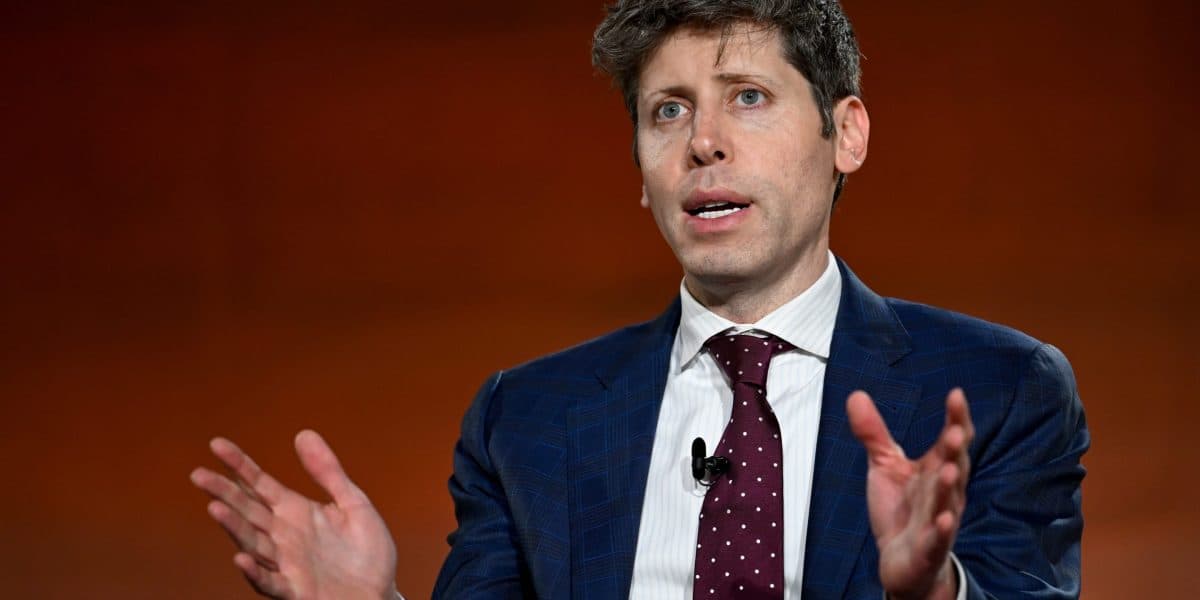
Photo via Fortune
According to Fortune, prominent artificial intelligence leaders Sam Altman and Dario Amodei are revising their previous predictions about widespread job losses from AI technology. Both executives, whose companies are preparing for major public offerings, now emphasize that artificial intelligence will complement rather than eliminate white-collar work. This represents a notable shift from earlier commentary that raised concerns about significant workforce disruption.
The revised messaging aligns with perspectives from other business leaders, including Goldman Sachs CEO David Solomon and Box CEO Aaron Levie, who have publicly stated that a mass white-collar job wipeout is unlikely. Altman has indicated he is 'delighted to be wrong' about his more pessimistic earlier assessments, suggesting confidence in AI's potential to enhance rather than replace human productivity across industries.
For Dalton-area businesses evaluating AI adoption, this moderated outlook could influence investment decisions. Companies in manufacturing, logistics, and professional services may find reassurance in narratives emphasizing workforce augmentation over automation-driven job losses. The messaging shift could ease concerns among local executives considering AI implementation strategies.
As these tech companies pursue IPO opportunities, their public positioning on employment impacts will likely influence investor confidence and regulatory scrutiny. The evolving narrative around AI and work reflects broader conversations about how transformative technology integrates into existing business structures, particularly relevant for Georgia companies navigating digital transformation.