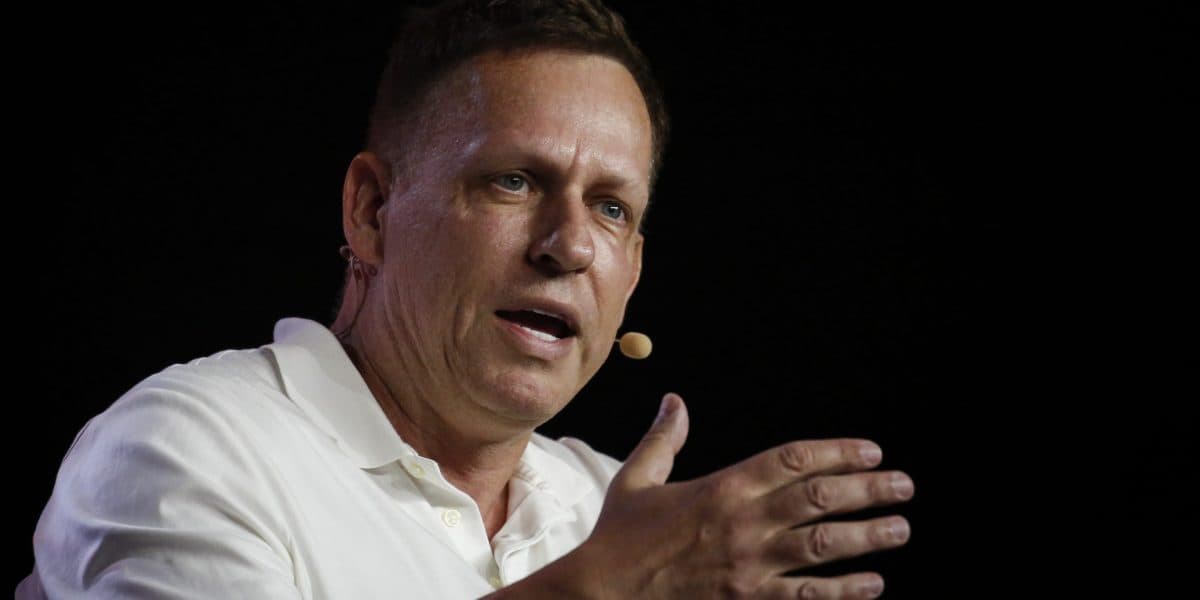
Photo via Fortune
The conventional wisdom that STEM careers offer safe harbor from automation may no longer hold true. According to reporting from Fortune on comments by venture capitalist Peter Thiel, artificial intelligence poses a more significant threat to traditional technical roles than to creative positions—a reversal of assumptions many workers and employers have relied upon when planning career development and hiring strategies.
Data from LinkedIn supports this counterintuitive trend, revealing that job postings explicitly seeking 'storytellers' have doubled over the past year. This shift reflects growing employer recognition that human creativity, communication, and narrative ability remain difficult for AI systems to replicate at a competitive level. For Dalton-area businesses, particularly in manufacturing and logistics, this suggests creative problem-solving and client-facing roles may prove more resilient than purely technical positions.
The implications extend beyond individual career planning to regional workforce development. Dalton's industrial base—spanning flooring, automotive supply, and logistics sectors—has historically valued technical expertise and hands-on skills. However, as automation and AI reshape job landscapes, local businesses may need to rethink both hiring priorities and employee training programs to emphasize creative thinking, strategic communication, and adaptability alongside technical proficiency.
For employers and workers in the region, these trends underscore the importance of diversifying skill sets and organizational strategies. Rather than assuming technical credentials guarantee job security, forward-thinking companies should consider how creative problem-solving, innovation, and human judgment might become increasingly valuable—and marketable—in an AI-augmented economy.