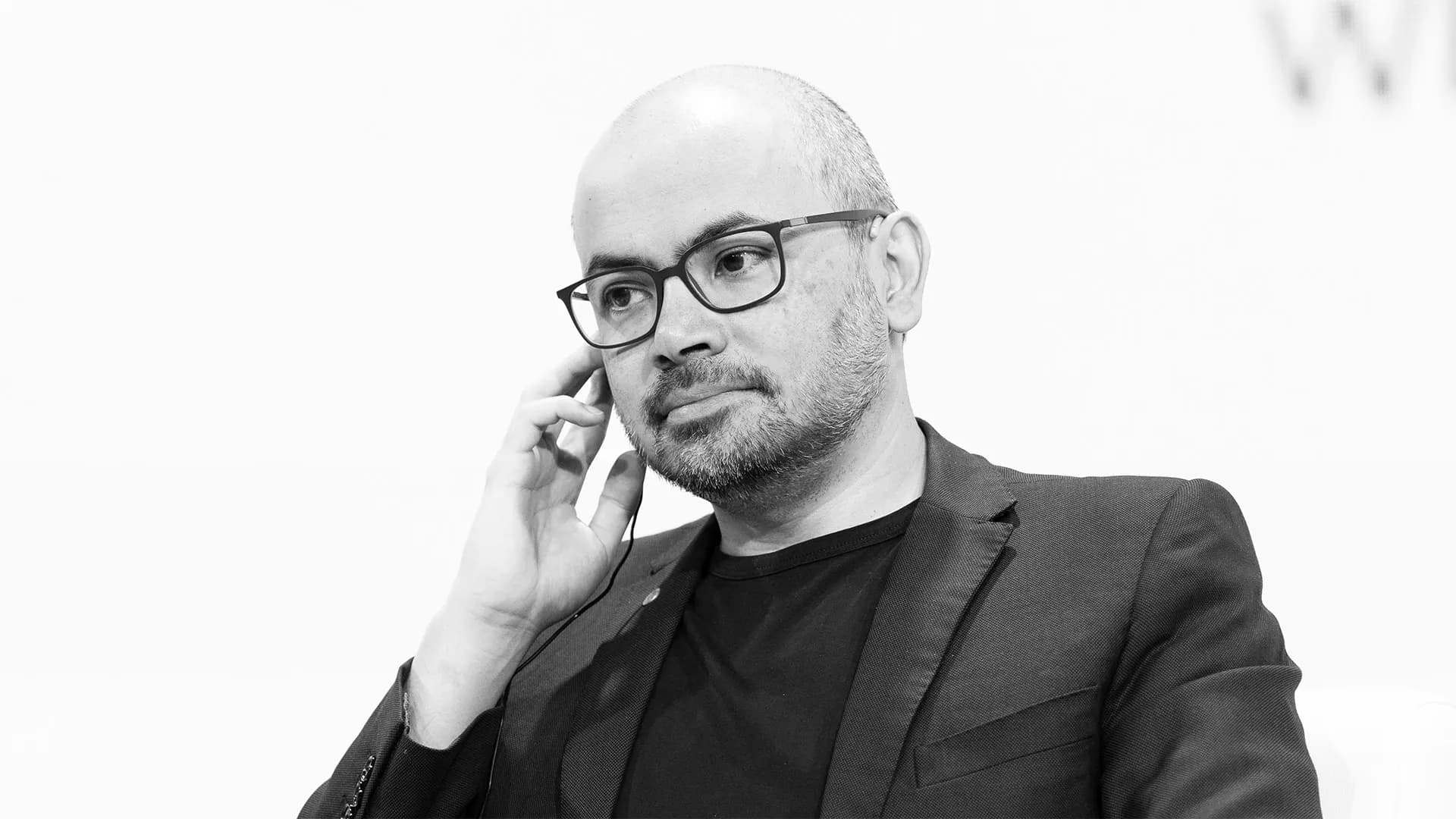
Photo via Inc.
Demis Hassabis, the Nobel Prize-winning CEO of DeepMind, recently challenged the prevailing narrative that artificial intelligence will decimate employment. According to reporting from Inc., Hassabis criticized business leaders who resort to layoffs as a response to AI adoption, characterizing such decisions as a failure of imagination. His perspective carries weight given his position at the forefront of AI development and his recognition by the Nobel Prize committee.
The research community appears to support Hassabis's position. Rather than viewing AI as purely disruptive, scientific evidence suggests that artificial intelligence creates new roles while transforming existing ones. For manufacturers in Northwest Georgia—a region with deep roots in textile production and industrial sectors—this distinction matters significantly. Businesses that invest in upskilling current employees may find themselves better positioned than competitors who pursue immediate workforce reductions.
The tension between technological disruption and employment reflects a broader question about how companies approach change. According to the Inc. article, those choosing layoffs over workforce development miss opportunities to leverage AI as a tool for enhancing productivity rather than simply replacing workers. Companies that view AI as augmenting human capability—rather than substituting for it—may develop competitive advantages in their respective industries.
For Dalton-area business leaders evaluating AI implementation, the evidence suggests a path forward exists between technological stagnation and mass displacement. Strategic workforce planning, skills development programs, and thoughtful AI integration can coexist. As businesses across manufacturing, logistics, and services sectors weigh these decisions, research-backed approaches to AI adoption may prove more sustainable than reactive cost-cutting.