Photo via Fortune
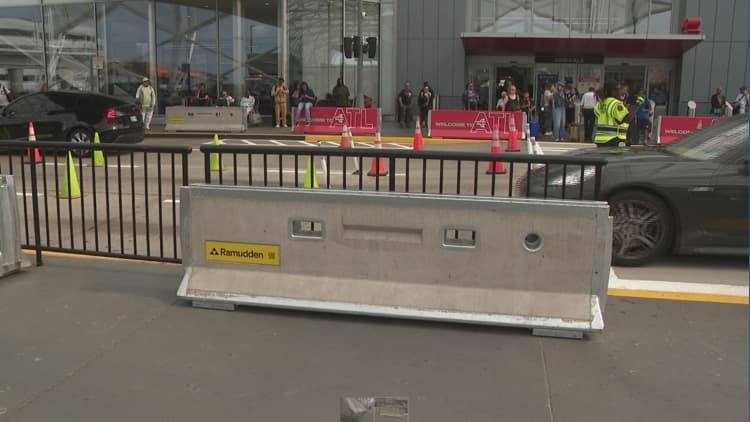
A policy disagreement between federal agencies is emerging around airport operations and immigration enforcement. Transportation Secretary Sean Duffy recently indicated that the Department of Transportation may resist what he characterized as politically-motivated service disruptions at airports, according to Fortune. This positioning reflects growing tension over how security and immigration policies should be administered in the aviation sector.
For Dalton-area businesses that rely on air travel for operations, supply chain management, or client meetings, changes to airport security protocols could have ripple effects on travel planning and logistics. The region's manufacturers, particularly in the carpet and flooring industries, often depend on efficient air transportation for moving executives and conducting business across national markets. Any disruption to airport operations could impact scheduling and operational costs.
The dispute centers on enforcement authority and political alignment between different government agencies. Duffy's comments suggest the Transportation Department may prioritize maintaining continuous airport operations over accommodating immigration enforcement requests that could disrupt service. This could establish precedent for how federal agencies resolve similar conflicts in coming months.
Dalton business leaders should monitor developments in this policy area, particularly if they maintain operations in states that may become focal points of this federal disagreement. Companies dependent on reliable air travel infrastructure should consider diversifying airport access where possible and maintaining flexibility in travel logistics planning during this period of policy uncertainty.