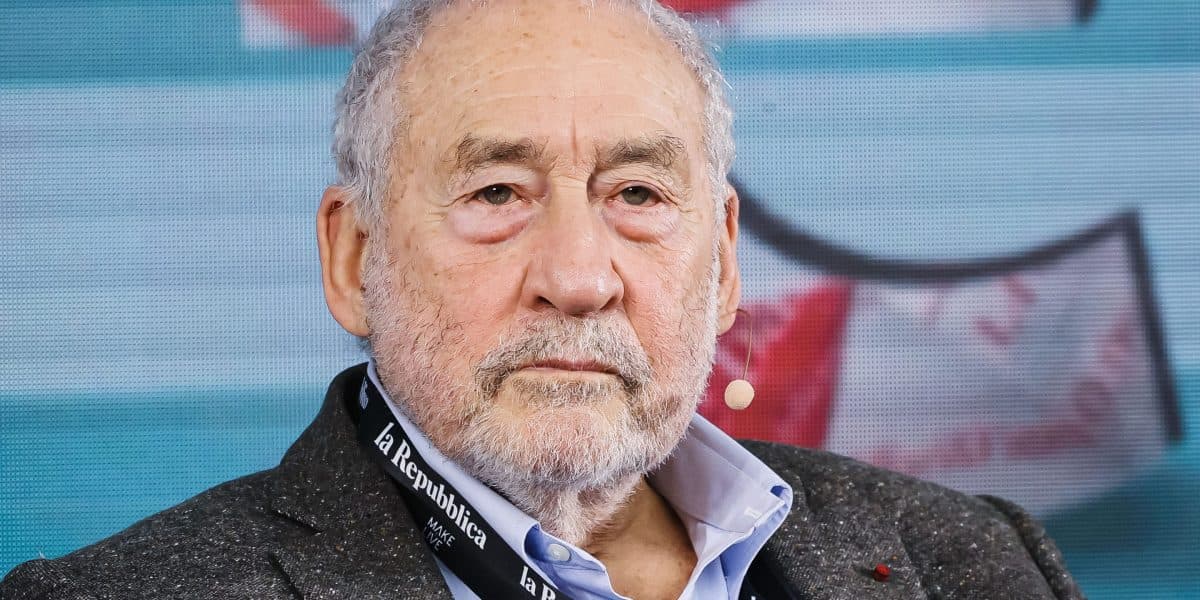
Photo via Fortune
Nobel Prize-winning economist Joe Stiglitz has raised concerns about the unequal distribution of benefits from artificial intelligence adoption, according to reporting from Fortune. While AI technology promises productivity gains and economic growth, Stiglitz argues the current trajectory favors a narrow class of technology entrepreneurs at the expense of broader workforce participation.
The tension Stiglitz identifies centers on a fundamental contradiction: technology leaders advocating for AI implementation simultaneously push for reduced government intervention. This creates a scenario where job displacement may accelerate without corresponding social safety nets or retraining programs to help displaced workers transition to new roles.
For Dalton-area manufacturers and logistics companies—industries facing potential workforce disruption from automation—the implications warrant careful attention. Regional leaders should monitor how AI adoption unfolds in comparable sectors and consider proactive strategies for workforce development alongside technology investment.
The broader concern extends beyond individual job losses to systemic wealth concentration. If AI gains primarily benefit a small cohort of technology firms and executives, regional economies dependent on distributed employment across multiple sectors could face widening economic inequality. Business leaders should engage in policy discussions about managing AI's transition impact in their communities.