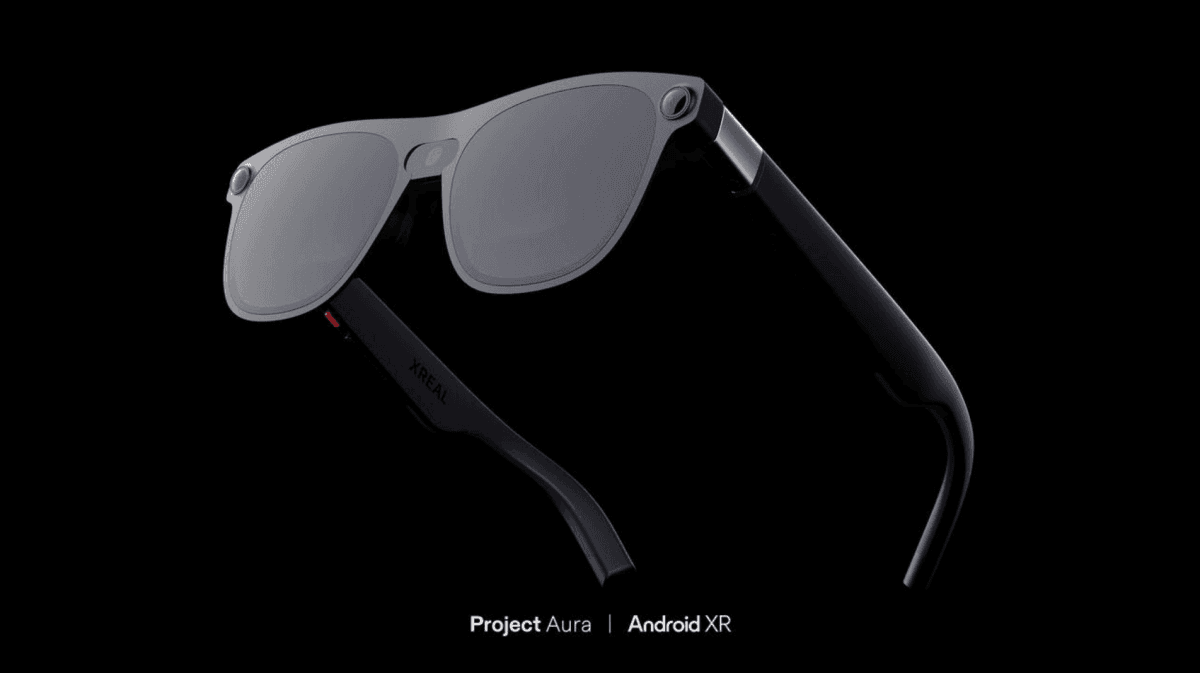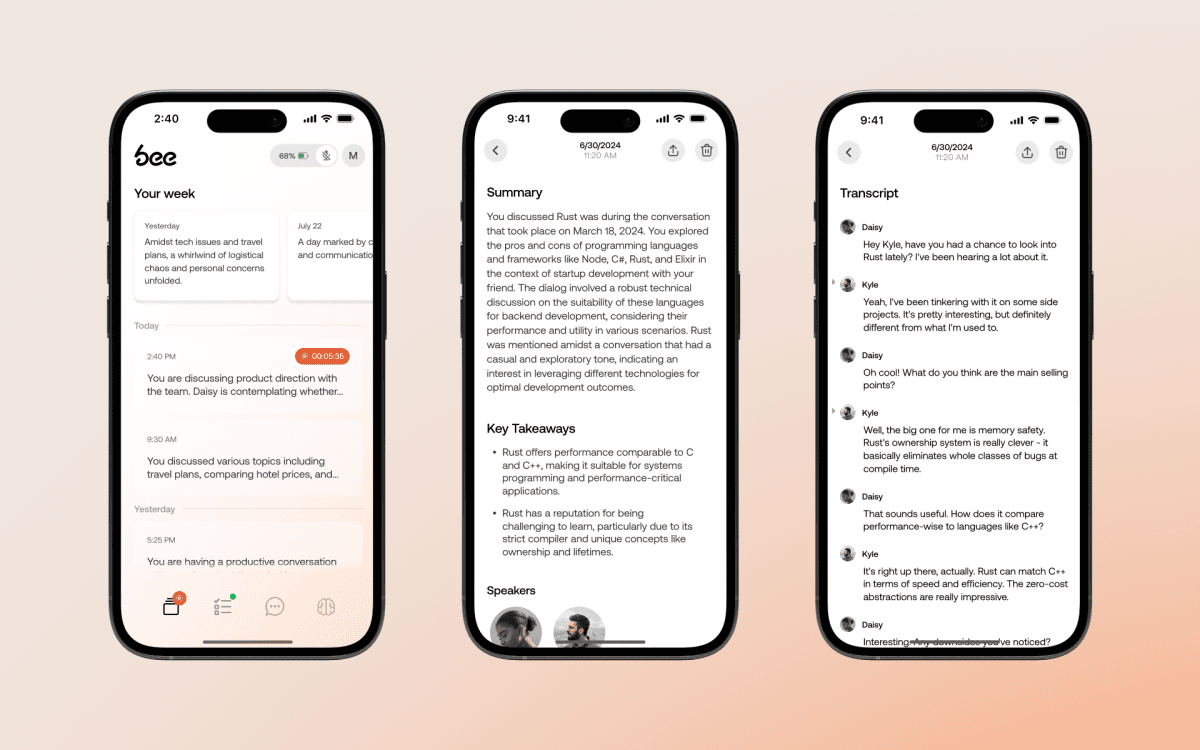
Photo via TechCrunch
Amazon's new Bee wearable device represents the latest wave of artificial intelligence technology entering the workplace, offering workers convenient hands-free assistance while simultaneously raising questions about data collection and employee monitoring. According to TechCrunch's analysis, the device exemplifies a growing tension in enterprise technology: the promise of operational efficiency balanced against legitimate privacy apprehensions.
For Dalton-area businesses considering AI wearable adoption—particularly in logistics, manufacturing, and retail sectors where hands-free assistance could streamline operations—the privacy implications warrant careful consideration. Companies implementing such technologies must establish clear data governance policies and ensure employees understand what information is being collected, how it's stored, and who has access to it.
The appeal is undeniable: wearables can reduce friction in daily workflows, enable real-time decision-making, and potentially boost productivity. However, employers should anticipate employee concerns about constant monitoring and take proactive steps to build trust through transparency and robust data protection measures before rolling out any new wearable technology.
As Dalton businesses evaluate emerging AI tools, consulting with legal and HR teams about compliance requirements and establishing employee communication strategies will be essential. The technology itself isn't inherently problematic, but successful implementation depends on thoughtful deployment that respects worker concerns while delivering genuine business value.