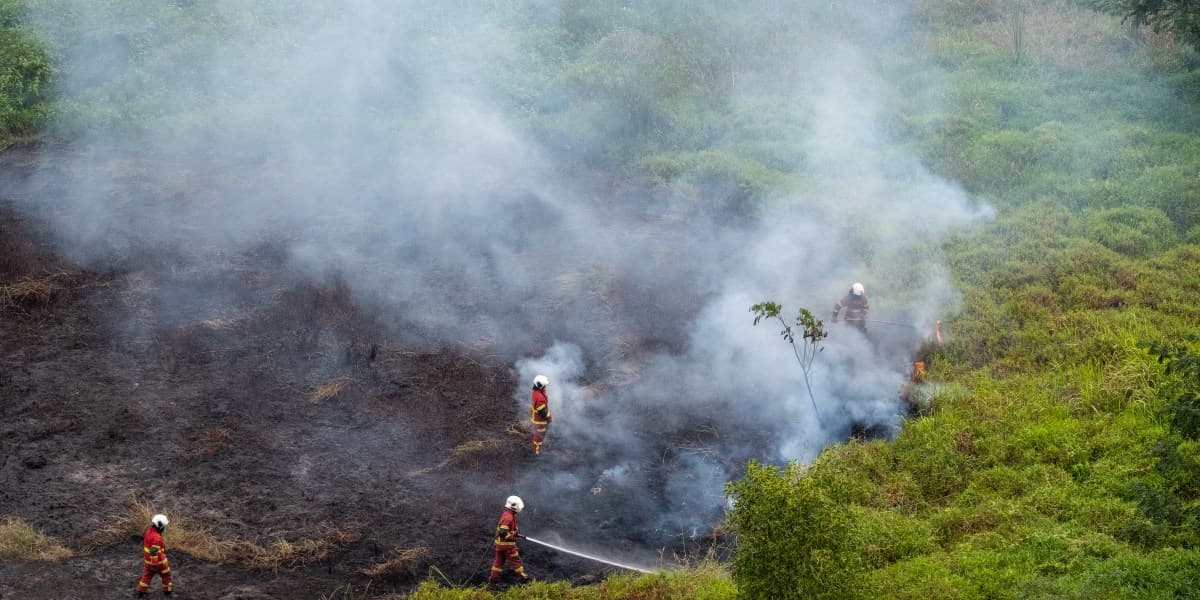
Photo via Fortune
Asia faces a compounding energy challenge as drought conditions and elevated temperatures threaten to strain electrical grids across the region, according to Fortune. This climate stress arrives at a particularly vulnerable moment, as many Asian nations are already struggling to secure adequate oil and gas supplies in a tight global market. The convergence of supply constraints and climate-driven demand could create significant disruptions.
The potential 'Super El Nino' weather pattern would intensify drought conditions across Asia, reducing hydroelectric generation capacity and forcing greater reliance on fossil fuels at a time when supplies are already limited. Power grid stress in major manufacturing hubs could lead to rolling blackouts or rationing, disrupting industrial production and delaying exports. For Dalton-area companies dependent on Asian supply chains or manufacturing partnerships, extended outages could compound existing logistics challenges.
The broader implications extend to global energy markets and commodity prices. Extended fuel shortages in Asia would likely increase competition for limited supplies worldwide, potentially driving up energy costs for American manufacturers and businesses. Dalton's industrial base, which includes significant flooring and carpet manufacturing operations reliant on stable energy inputs and global supply chains, could face higher operational costs.
Business leaders should monitor developments in Asian energy markets as a potential cost factor in 2024 planning. Companies with significant Asian exposure may want to explore supply chain diversification or energy hedging strategies now, before any crisis deepens. The intersection of climate volatility and geopolitical supply constraints underscores the growing importance of energy resilience in global business planning.