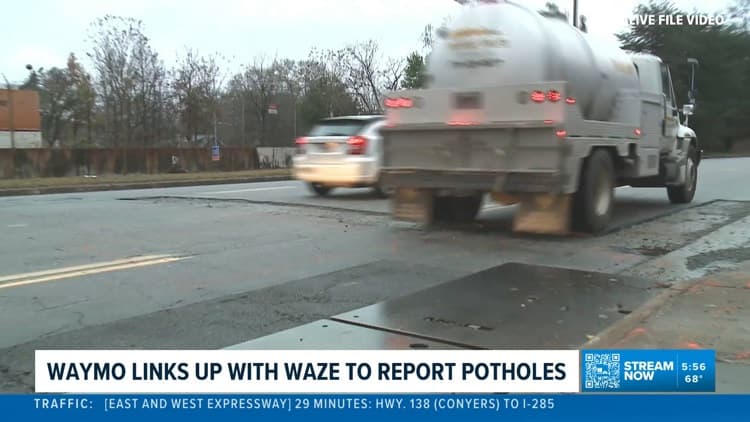
Photo via 11Alive Atlanta
Waymo has launched a pilot program across five U.S. cities to leverage its autonomous vehicle fleet as mobile infrastructure monitors, identifying and reporting potholes and road damage in real time. According to 11Alive Atlanta, Atlanta is among the participating cities, yet city officials have not yet incorporated the data into their maintenance operations. The disconnect highlights a growing gap between corporate innovation and municipal adoption of emerging technologies.
The pothole-tracking initiative represents a practical application of autonomous vehicle technology beyond ride-sharing and delivery. By equipping vehicles with advanced sensors and computer vision, Waymo can identify road hazards more systematically than traditional inspection methods. For regions like northwest Georgia, where municipalities face budget constraints for infrastructure maintenance, such data partnerships could theoretically streamline road repair prioritization and reduce costs—if cities choose to implement them.
Atlanta's hesitation to deploy Waymo's data reflects broader challenges in technology adoption among government agencies. Municipalities often move slowly on new systems due to procurement processes, data integration concerns, and established relationships with existing contractors. For Dalton-area business leaders and economic development officials, this case study demonstrates that innovative solutions require more than technological capability—they demand organizational readiness and clear value propositions.
As autonomous vehicle companies expand beyond transportation services, their ability to gather and share municipal data could reshape infrastructure management. The question facing Atlanta and other cities is whether they'll embrace this efficiency opportunity or maintain traditional practices. For growing regions like the Dalton area, monitoring how larger cities handle such partnerships may inform future decisions about technology adoption in local government services.