Photo via CNBC Business
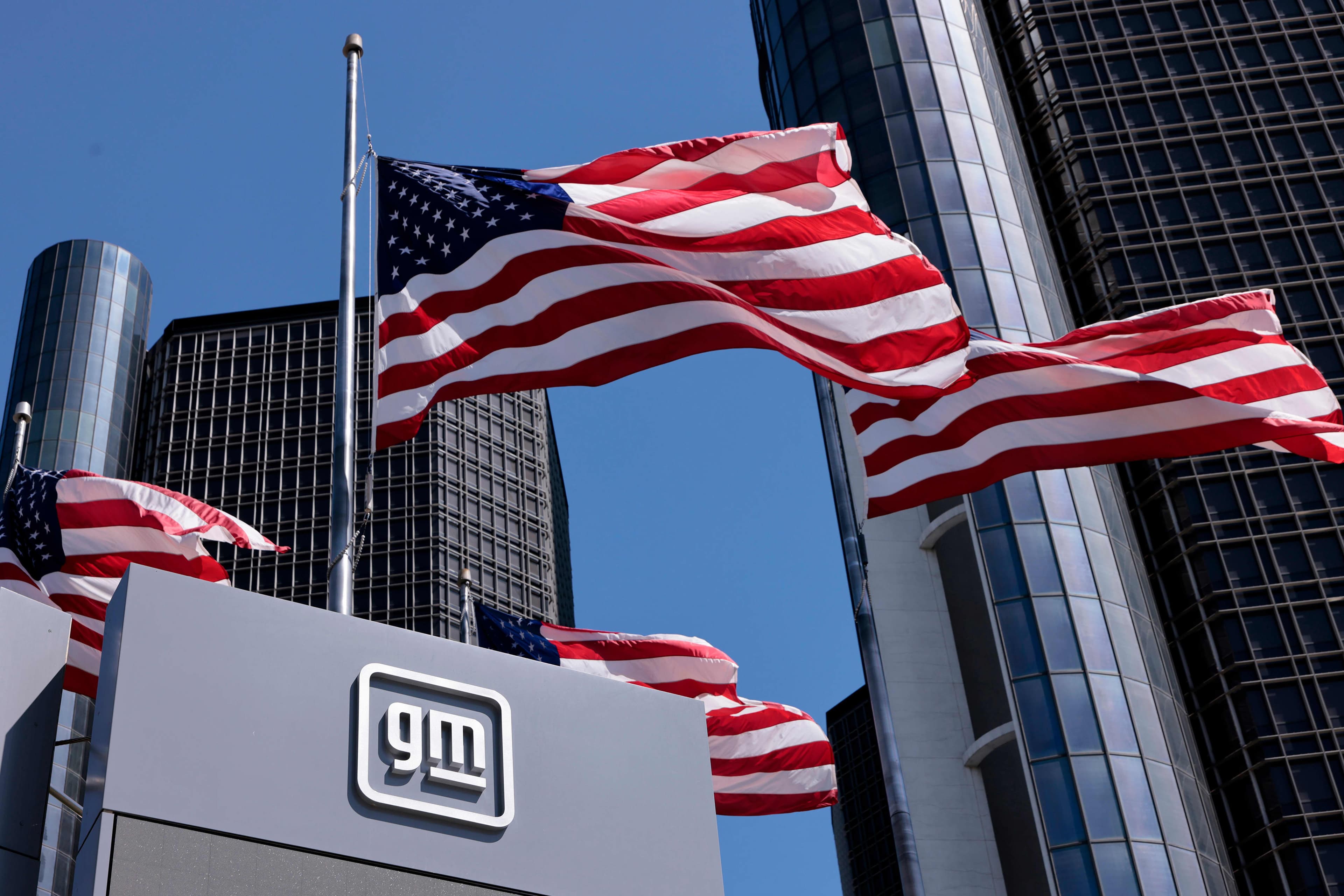
The automotive industry is undergoing a significant transformation as major manufacturers accelerate their adoption of artificial intelligence and automation technologies. According to CNBC Business, Detroit-based automakers have collectively cut more than 20,000 U.S. salaried positions in recent periods, signaling a broader industry shift toward workforce restructuring. While the reasons for these reductions vary among individual companies, the underlying driver remains consistent: the industry is rapidly evolving in response to technological innovation.
For Dalton-area business leaders, these national manufacturing trends carry particular relevance. The flooring and manufacturing sectors that anchor our regional economy often mirror broader industrial patterns. Companies in our area that supply automotive components, materials, or services should monitor how automation investments might affect their customer base and future contract opportunities. Understanding these shifts helps local businesses position themselves strategically within changing supply chains.
The rise of AI in automotive manufacturing extends beyond simple job elimination—it represents a fundamental reimagining of how vehicles are designed, produced, and serviced. Salaried positions in engineering, design, and administrative functions are particularly affected as companies deploy machine learning systems to handle tasks previously requiring human expertise. This transition underscores the growing importance of workforce adaptation and skill development across American manufacturing.
For regional business professionals, this industry evolution offers both cautionary lessons and opportunity. Companies investing in AI literacy, technical training, and process innovation may find competitive advantages in their respective markets. As the automotive sector continues its technological modernization, local manufacturers and service providers who understand and adapt to these changes will be better positioned to serve an evolving industry landscape.