Photo via 11Alive Atlanta
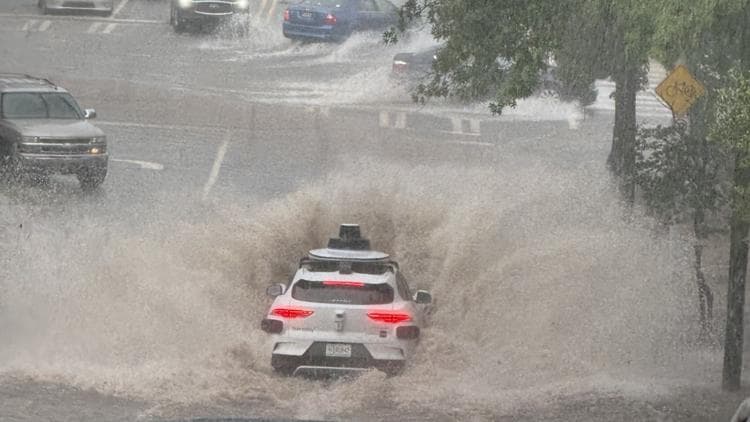
A significant test of autonomous vehicle reliability occurred during recent severe weather in Atlanta, when Waymo's self-driving cars encountered operational challenges. According to 11Alive Atlanta, at least two Waymo driverless vehicles became stuck on flooded city streets, prompting the company to temporarily halt service across the region due to adverse weather conditions.
The incident highlights a critical gap in autonomous vehicle development: real-world performance during unpredictable weather scenarios. While companies like Waymo have invested heavily in mapping and sensor technology, heavy rains and flooding present unique navigation challenges that current systems struggle to manage independently. For businesses in the logistics and transportation sectors, this raises important questions about the reliability of autonomous fleets during Georgia's intense storm season.
The pause in Waymo's Atlanta service underscores the limitations still present in autonomous technology adoption. Regional companies evaluating autonomous solutions for delivery and logistics operations should consider how these vehicles perform during the severe weather events common to North Georgia and the broader Southeast. Until these systems demonstrate consistent performance in challenging conditions, traditional fleet operations remain a more predictable option for time-sensitive deliveries.
As autonomous vehicle technology continues evolving, incidents like this provide valuable data for developers and cautionary lessons for regional businesses considering fleet automation. For Dalton-area companies exploring logistics innovations, the incident serves as a reminder that technological advancement requires proven real-world resilience before widespread deployment can be responsibly recommended.