Photo via FreightWaves
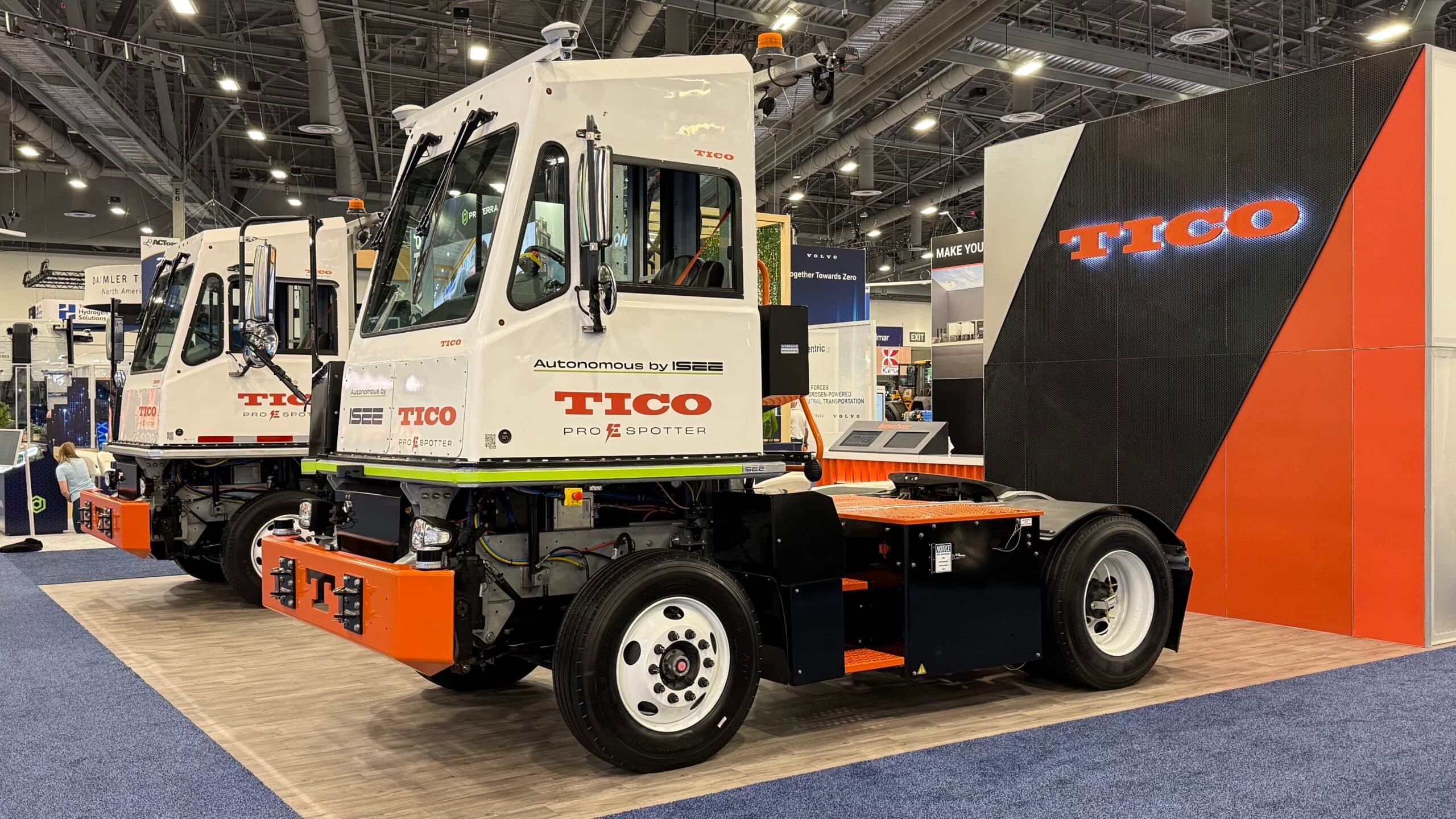
The logistics industry is witnessing a significant shift as autonomous technology moves beyond long-haul highways into the more controlled environment of private yards and industrial facilities. According to FreightWaves, companies ISEE AI and TICO are positioning themselves at the forefront of this transition, with both firms targeting 2027 for the production of autonomous yard tractors. This timeline represents a meaningful milestone for an industry long focused on autonomous solutions for open-road trucking.
Private yards have emerged as an ideal testing ground and initial market for autonomous vehicle deployment. Unlike highway operations, which require navigating complex traffic patterns and unpredictable conditions, yard environments offer defined routes, controlled access, and predictable workflows. For Dalton-area businesses with significant distribution and warehousing operations, this technology could streamline internal logistics, reduce labor costs, and improve safety in high-risk material handling scenarios.
The accelerating timeline reflects recent technological breakthroughs, particularly advancements in Generation 7 autonomous systems and the completion of closed safety cases that regulators require before widespread deployment. These developments are reportedly paving the way for hundreds of truck orders in the near term, signaling strong market confidence in the viability of yard automation solutions.
For Georgia's robust logistics and manufacturing sectors, autonomous yard tractors represent an opportunity to enhance operational efficiency during a period of tight labor markets and rising operational costs. Businesses evaluating their competitive positioning should monitor these developments closely, as early adoption could provide meaningful advantages in supply chain performance and cost management.