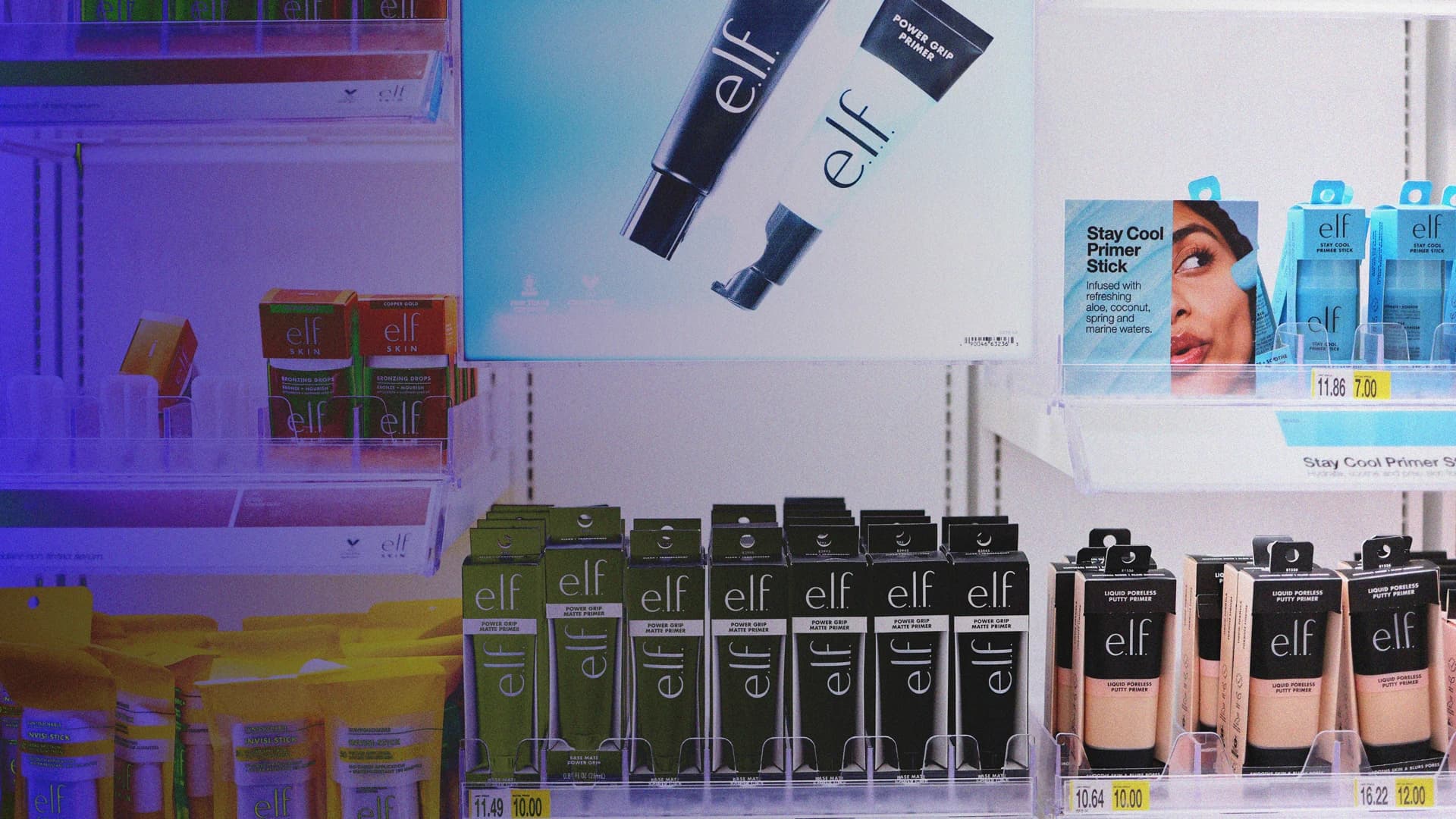
Photo via Inc.
When E.l.f. Beauty implemented across-the-board price increases last year, company leadership believed the move was justified and necessary. The cosmetics brand attributed the $1 price bump to tariff pressures affecting their supply chain, a rationale many manufacturers have cited in recent years. However, the strategy did not produce the intended results, and the company has now acknowledged that the pricing adjustment had an unintended consequence: customer defection.
According to reporting from Inc., the beauty brand experienced a notable decline in sales following the price increase, forcing executives to reconsider their approach. The situation illustrates a fundamental retail challenge that extends well beyond the cosmetics industry—consumers have limited tolerance for sudden price jumps, particularly in discretionary spending categories. For Dalton-area retailers and manufacturers who face similar tariff-related cost pressures, the E.l.f. Beauty experience serves as a cautionary tale about passing costs directly to customers without strategic planning.
The company's reversal signals a shift toward alternative cost management strategies. Rather than maintaining higher prices, E.l.f. Beauty is reportedly adjusting its approach to absorb some expenses or seek operational efficiencies elsewhere in the business model. This may involve renegotiating supplier contracts, optimizing manufacturing processes, or accepting thinner profit margins to retain market share—decisions that require careful analysis of long-term business viability.
For retailers and consumer goods companies in Northwest Georgia, the E.l.f. Beauty situation underscores the importance of understanding local market dynamics and customer price sensitivity before implementing increases. Strategic communication, gradual adjustments, and transparency about cost drivers may prove more effective than sudden across-the-board hikes. As tariff environments remain uncertain, businesses would be wise to develop contingency plans that protect both profitability and customer relationships.