Photo via Fortune
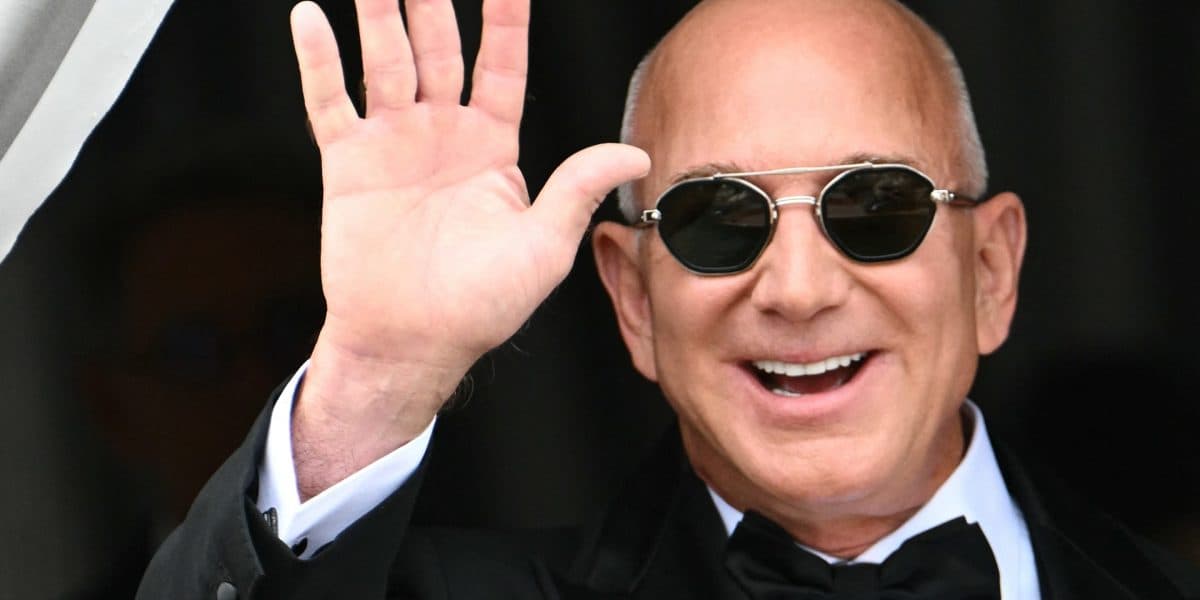
According to Fortune, Amazon founder Jeff Bezos has publicly advocated for eliminating federal income taxes on the bottom half of American earners. The billionaire entrepreneur plans to present this tax reform proposal to President Trump, signaling potential influence over upcoming fiscal policy discussions. The idea challenges conventional tax policy and has sparked debate among economists and business leaders about wealth distribution and government revenue.
Under Bezos's proposal, workers earning around $75,000 annually—including nurses, skilled tradespeople, and other middle-class professionals common in Northwest Georgia—could see significant tax savings. According to the original reporting, a nurse at that income level might save approximately $12,000 annually under such a system. For Dalton-area families, this could translate to meaningful increases in household disposable income and local spending power.
The proposal raises critical questions about how federal programs would be funded if income tax revenue from half the population were eliminated. Tax revenue typically supports infrastructure, education, healthcare, and other services that underpin regional economies. Dalton's manufacturing and logistics sectors depend on government investments in transportation networks and workforce development—areas that could be affected by significant revenue restructuring.
Business leaders in Dalton should monitor how this proposal develops, particularly given its potential impact on employee compensation strategies and local tax bases. Whether the idea gains traction with policymakers remains uncertain, but it reflects broader conversations about tax policy that could influence hiring practices, wage structures, and overall business planning in the region.