Photo via Georgia Recorder
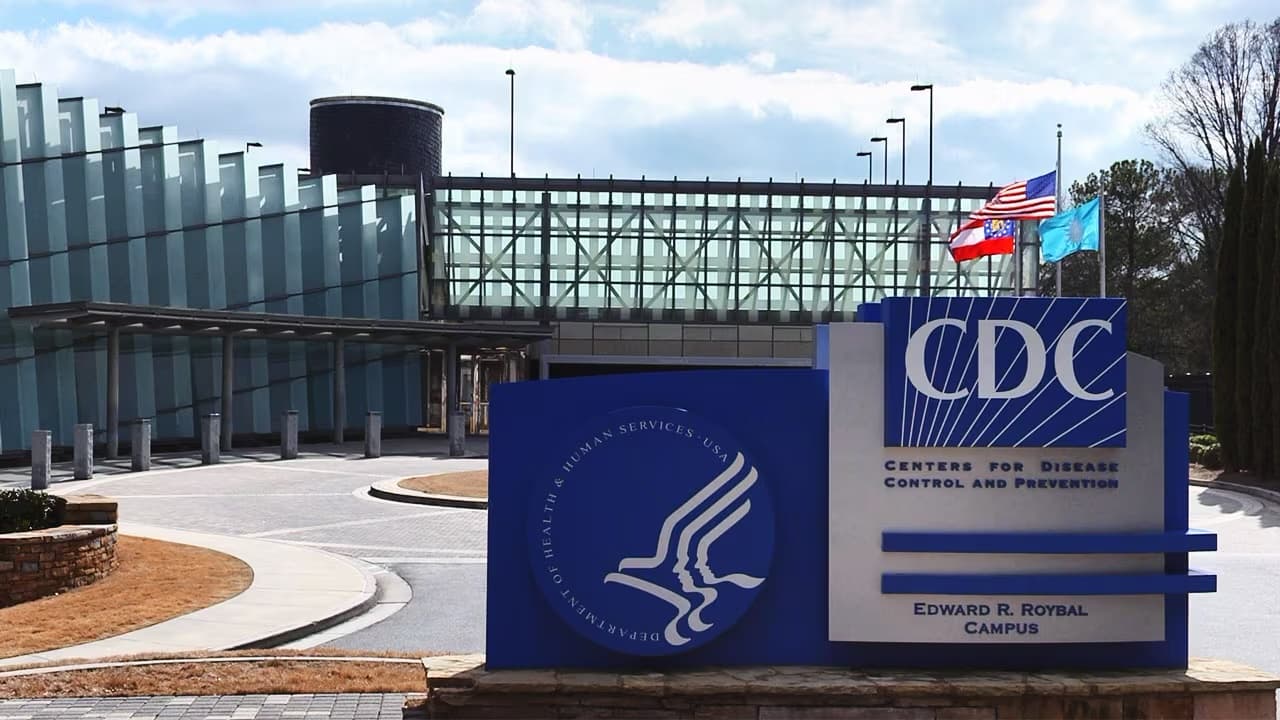
The Centers for Disease Control and Prevention provided reassurance this week regarding hantavirus transmission risk in the general population. According to statements from CDC officials, despite confirmed cases among cruise ship passengers, the likelihood of widespread community infection remains minimal. For Dalton-area businesses in hospitality, tourism, and transportation sectors, the agency's assessment suggests no immediate operational concerns related to the virus.
Dr. Brendan Jackson, an epidemiologist serving as the CDC's team lead in Nebraska, emphasized during Wednesday's briefing that hantavirus typically requires direct contact with infected rodent droppings or saliva to transmit to humans. Person-to-person transmission is extremely rare, which significantly limits outbreak potential in commercial and public settings. This distinction is particularly relevant for employers managing workplace health protocols.
The cruise ship cases represent an isolated incident rather than a broader public health emergency, according to the CDC's assessment. The agency noted that hantavirus has been present in North American rodent populations for decades, yet cases remain uncommon. For Dalton businesses with employees who travel or work in hospitality, understanding the virus's actual transmission pathways can help prevent unnecessary operational disruptions or excessive preventive measures.
While the immediate risk appears contained, the CDC continues monitoring the situation and advises standard preventive practices: avoiding contact with rodent droppings, maintaining clean facilities, and reporting unusual illness patterns to healthcare providers. For local employers, this serves as a reminder that evidence-based health guidance—rather than pandemic-style precautions—should guide workplace safety decisions during isolated health incidents.