Photo via Fortune
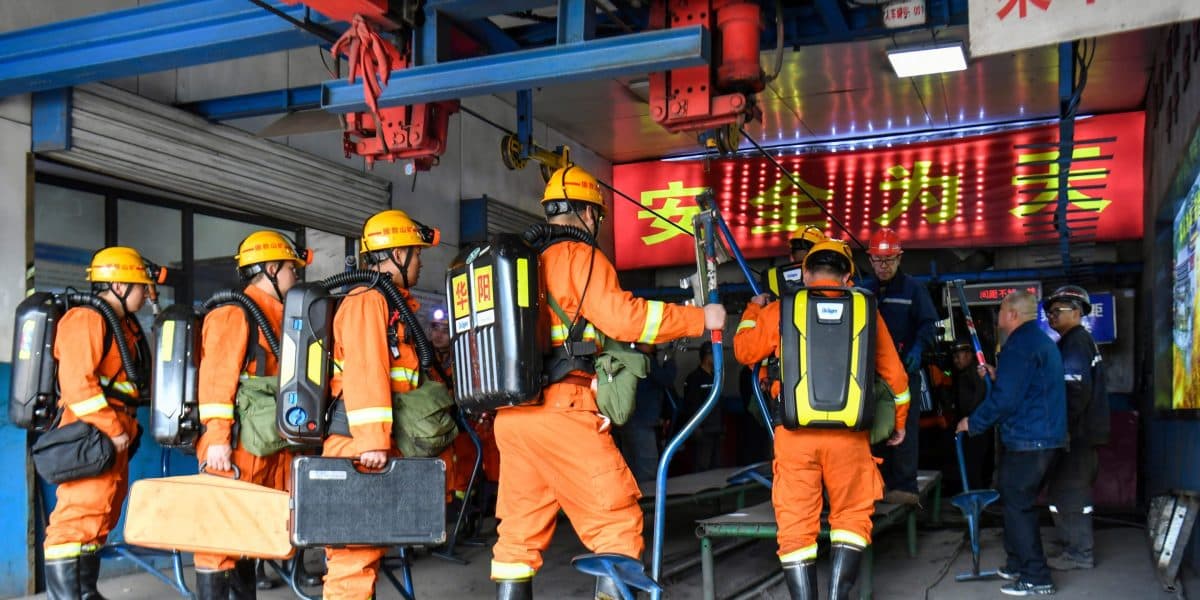
A catastrophic explosion at China's Liushenyu coal mine in Shanxi province claimed 82 lives, marking the country's deadliest mining disaster in recent years. According to Fortune, the incident occurred at a facility that had been flagged by China's National Mine Safety Administration as high-risk due to elevated gas content—a known hazard in underground coal operations.
The tragedy underscores a critical gap between regulatory identification and enforcement. The mine had been placed on a high-risk list in 2024 specifically because of dangerous gas accumulation, yet the facility continued operations until the catastrophic failure occurred. This pattern of delayed action following safety warnings raises concerns about accountability in mining oversight.
For Dalton-area businesses invested in energy markets and supply chains, this incident serves as a reminder of global energy sector volatility. As a major hub for manufacturing and logistics, our region's economy is sensitive to disruptions in commodity prices and international trade. Coal-related supply shocks can ripple through transportation costs and energy expenses affecting local operations.
The disaster reinforces the importance of robust safety protocols and regulatory compliance in hazardous industries. U.S. mining operations, including those supplying Southeast regional markets, typically operate under stricter federal oversight through MSHA (Mine Safety and Health Administration). Dalton businesses relying on stable energy pricing should monitor how this incident may affect global coal markets and consider its implications for operational planning.