Photo via Inc.
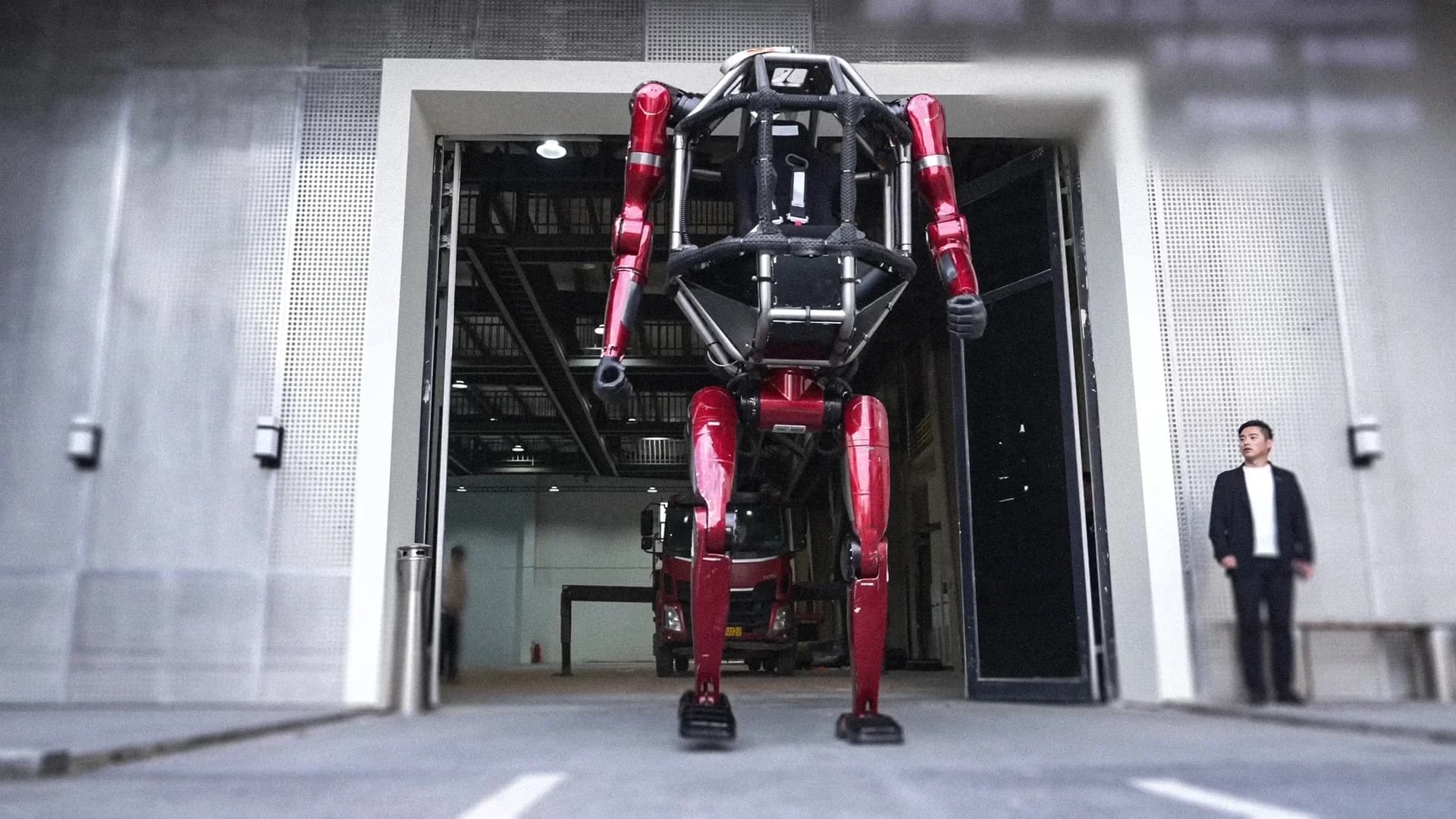
Chinese researchers have unveiled a transforming humanoid robot capable of performing heavy industrial tasks with precision, marking a significant milestone in physical artificial intelligence development. According to Inc., the robot's ability to execute complex physical operations signals a competitive shift in automation technology that extends beyond laboratory demonstrations into practical workplace applications.
The advancement carries particular relevance for Dalton's manufacturing and logistics communities. As automation becomes increasingly sophisticated, local businesses in flooring, textiles, and distribution may face both competitive pressures and opportunities to integrate advanced robotics into their operations. Companies that adopt or partner with emerging robotic technologies could gain efficiency advantages in labor-intensive processes.
China's progress in humanoid robotics reflects broader investment in physical AI—the intersection of artificial intelligence and robotic systems designed to perform real-world tasks. This technological race mirrors earlier competition in digital AI, but with tangible workplace applications that directly impact production capacity, safety, and operational costs across industries.
For Dalton-area business leaders, this development underscores the importance of monitoring automation trends and evaluating how next-generation robotics might affect workforce planning, competitive positioning, and operational strategy. Companies considering technology investments should assess both the capabilities and timeline of emerging robotic solutions alongside traditional automation approaches.