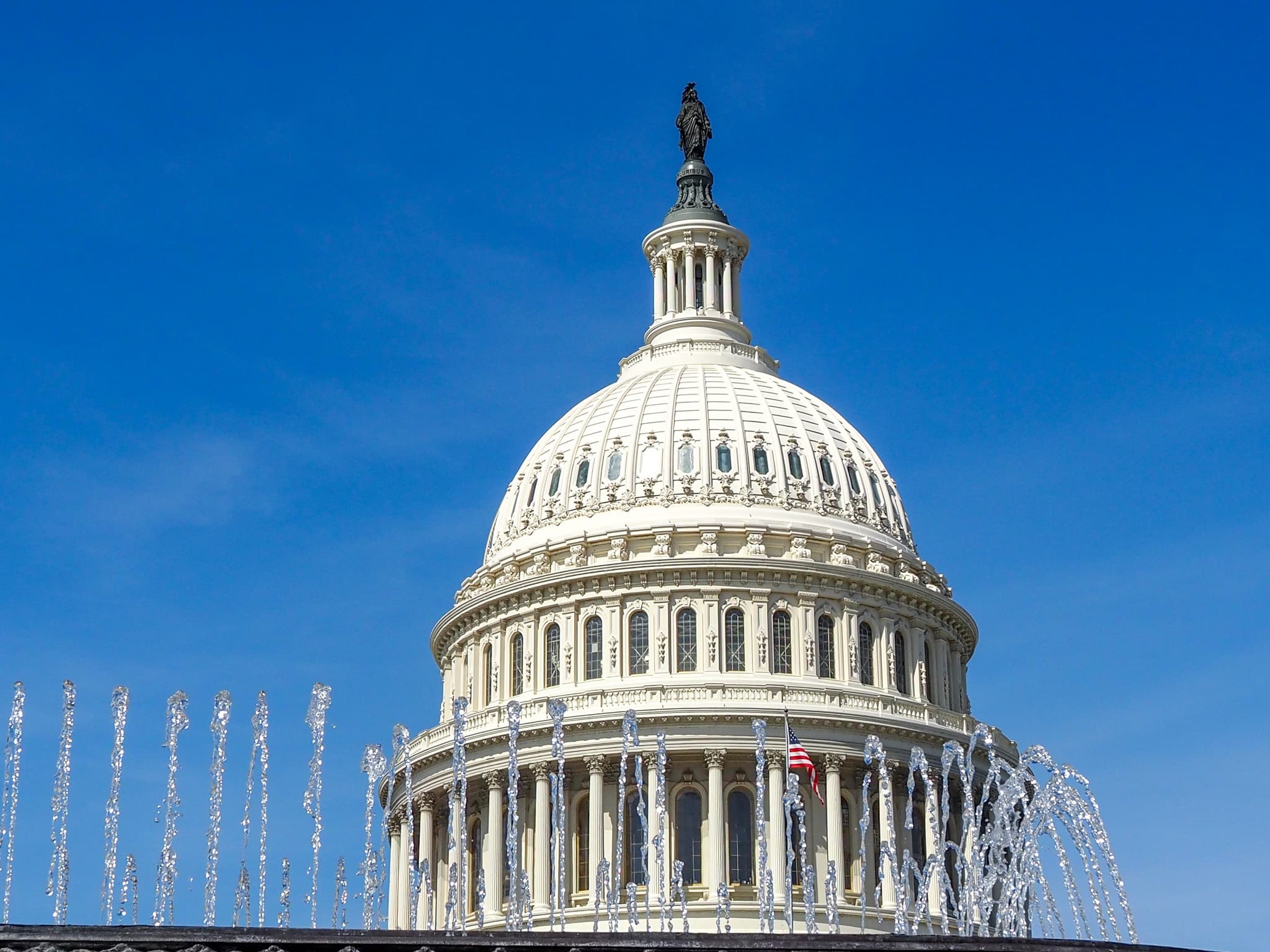
Photo via Georgia Recorder
In a significant moment of congressional independence, the Republican-controlled Senate joined the House in approving a War Powers Resolution aimed at limiting hostilities in Iran, according to the Georgia Recorder. The vote represents an uncommon instance of legislative oversight on the Trump administration's foreign policy decisions, signaling that even within the president's own party, concerns about military escalation have gained traction among lawmakers.
For Dalton-area businesses with exposure to energy markets or defense supply chains, shifting U.S. policy toward Iran carries tangible implications. Any de-escalation could stabilize oil prices and reduce uncertainty in logistics and manufacturing sectors that depend on predictable commodity costs. Defense and aerospace companies operating in Georgia's industrial base may also see altered contract priorities if military spending focuses shift away from Middle East operations.
The concurrent passage demonstrates that business-minded lawmakers from both parties recognize the economic risks of prolonged international tensions. Companies planning capital expenditures, supply chain investments, or hiring should monitor how this congressional stance translates into concrete policy changes that could affect inflation, interest rates, and consumer confidence throughout 2025.