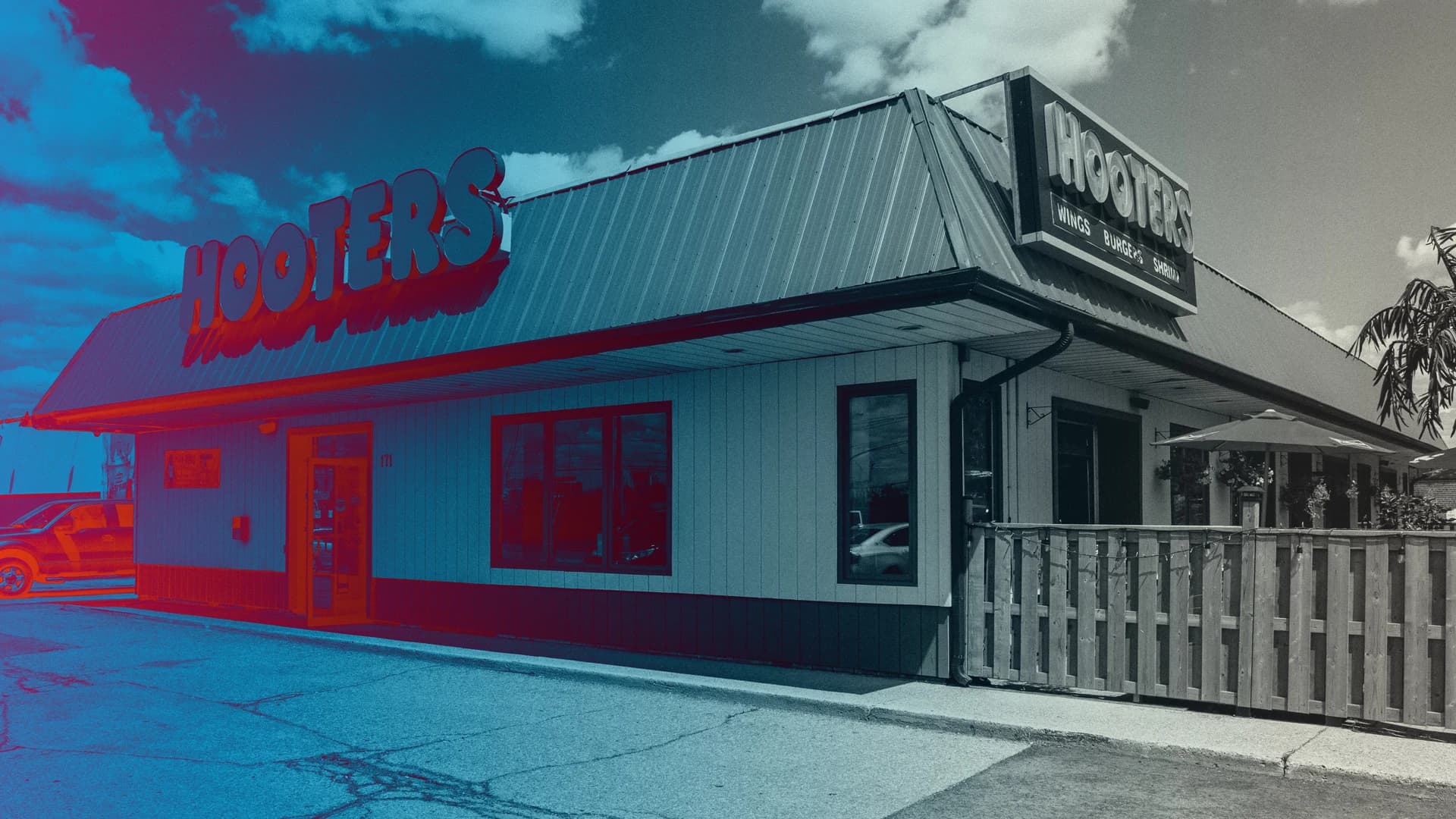
Photo via Inc.
According to recent analysis in Inc. magazine, iconic brands have stumbled not because of poor products or services, but due to fundamental disconnects with evolving cultural values. The collapse of established companies serves as a cautionary tale for entrepreneurs and business owners across all sectors, particularly as consumer expectations shift rapidly in the digital age.
For Dalton-area business leaders—whether in flooring, logistics, manufacturing, or service industries—this principle carries particular weight. As your companies grow beyond the local market, understanding the cultural expectations of new customer bases becomes essential. What resonates in Northwest Georgia may require recalibration for regional or national expansion.
The critical mistake that often proves fatal is ignoring warning signs about brand perception gaps. This occurs when leadership becomes insulated from customer sentiment, internal feedback goes unheard, or companies fail to adapt messaging and positioning as demographics and values shift. Modern businesses must maintain constant dialogue with their market rather than assuming past success guarantees future relevance.
For local founders and established business owners, the takeaway is clear: build mechanisms to monitor cultural trends, listen to both customers and employees about how your brand is perceived, and be willing to evolve your business practices accordingly. Companies that treat cultural awareness as an ongoing strategic priority—not an afterthought—position themselves to thrive while competitors struggle.