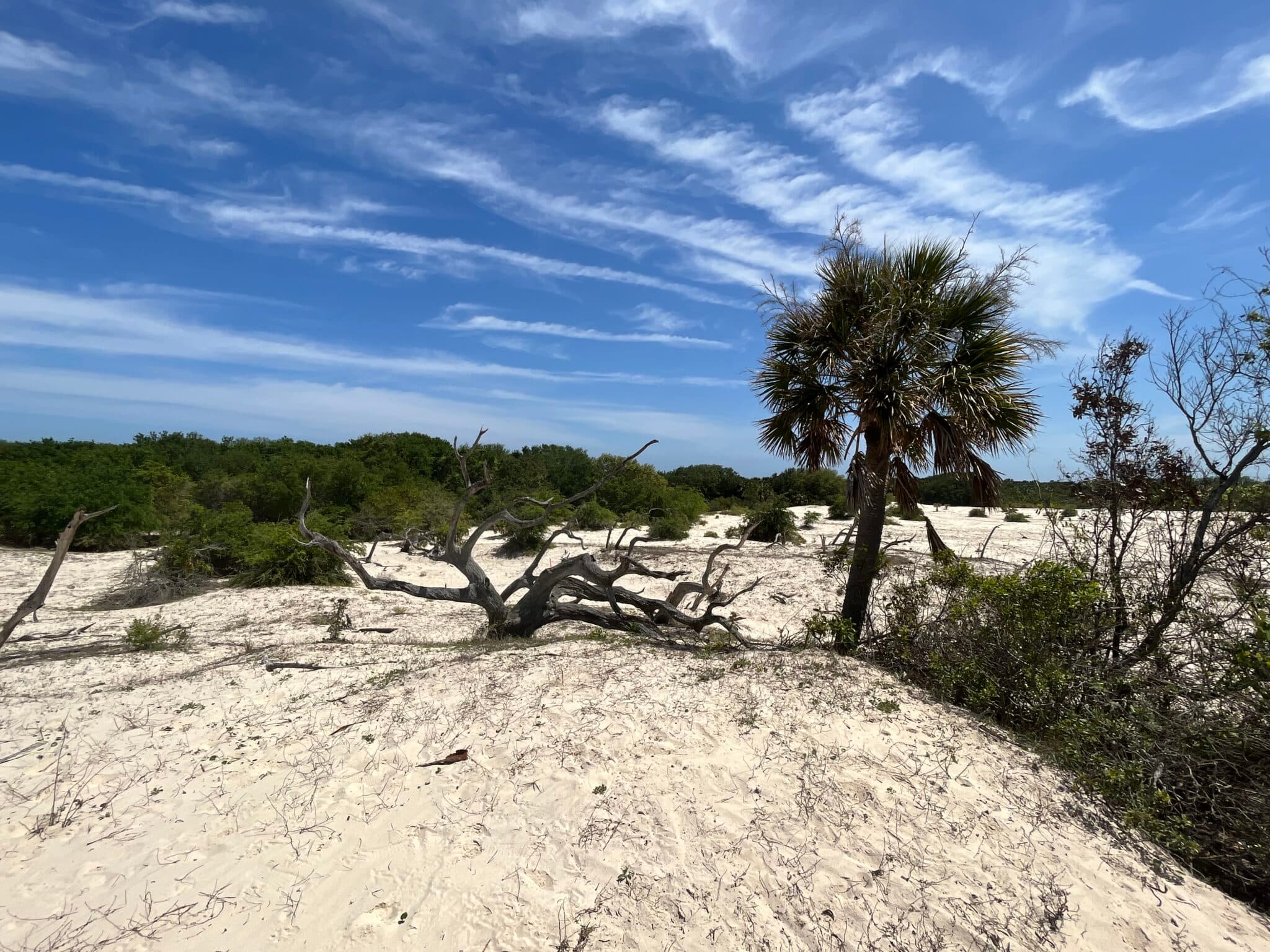
Photo via Georgia Recorder
Cumberland Island stands at a critical juncture, according to reporting by the Georgia Recorder. The barrier island, long celebrated as one of Georgia's most pristine natural environments, is experiencing mounting pressure from development interests and tourism expansion. Congressional mandates established when Cumberland Island National Seashore was created emphasized preserving the island's primitive character, yet that original vision now faces tests from competing economic and recreational demands.
The tension between preservation and development playing out in coastal Georgia reflects broader challenges facing the state's real estate and tourism sectors. According to the Georgia Recorder's analysis, the island's isolation and remoteness—historically its defining characteristics—have become increasingly valuable to resort developers and hospitality investors seeking high-end coastal destinations. This shift raises questions about how communities can balance economic opportunity with environmental stewardship.
For Dalton-area business leaders and developers, Cumberland's crossroads offers instructive lessons about long-term planning and stakeholder engagement. Northwest Georgia's own growth trajectory requires thoughtful consideration of how infrastructure development, tourism, and environmental preservation can coexist. The Cumberland case demonstrates that early clarity around community values and regulatory frameworks proves essential before development pressures mount.
As Georgia continues evolving as a business destination, the Cumberland Island debate underscores the importance of proactive dialogue between government, private interests, and conservation advocates. Decision-makers across the state—including those in the Dalton region—can benefit from observing how coastal Georgia resolves this challenge, particularly regarding sustainable growth strategies that maintain competitive advantages without compromising the natural assets that define regional identity.