Photo via Fast Company
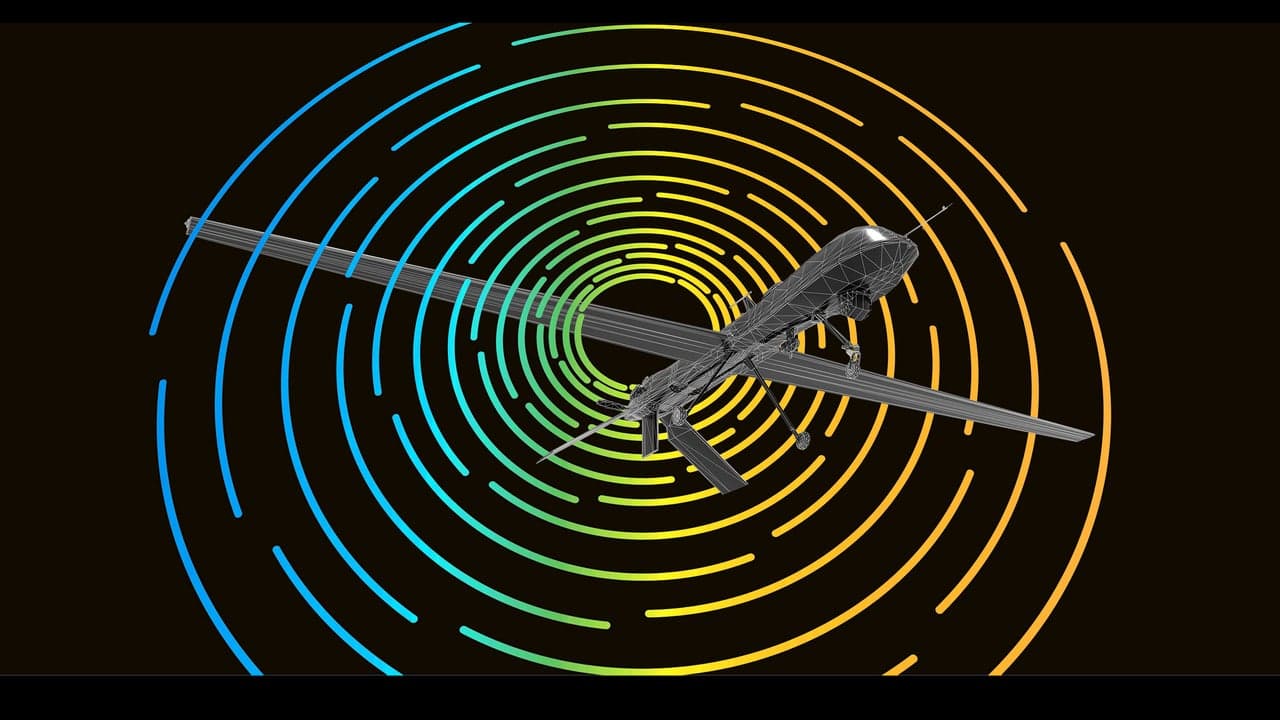
Brandon Tseng, cofounder of San Diego-based Shield AI, has built a $13 billion company around autonomous military systems—a sector that seemed radioactive just over a decade ago. According to an interview with Fast Company, Tseng credits early investor skepticism to the novelty of defense tech itself. When venture capitalist Peter Levine from Andreessen Horowitz backed the company in 2015, he framed it candidly: the idea would either fail spectacularly or succeed so thoroughly that the strategy would seem inevitable in hindsight. Eleven years later, Tseng says the vindication is tempered by the knowledge that significant challenges remain ahead.
Shield AI's core product, Hivemind software, enables drones and vehicles to operate autonomously without GPS or constant human oversight. The technology is now deployed in real-world conflicts, from Ukraine to Gaza. Tseng's original vision—that every military asset should be powered by AI by 2035—reflects a broader conviction that autonomous systems will eventually outnumber humans on the planet. For Dalton-area businesses in manufacturing, logistics, or industrial automation, Tseng's willingness to invest in AI infrastructure despite widespread skepticism offers a cautionary tale about market timing and conviction in emerging technologies.
The ethical dimension of autonomous weapons remains contentious, yet Tseng argues the U.S. military exercises extraordinary restraint. He notes that for every kinetic strike authorized during his Navy SEAL service, the military canceled 25 operations due to collateral damage risks. Tseng maintains that working with U.S.-aligned partners through State Department approval is preferable to allowing adversaries like China, Iran, or Russia to dominate emerging technologies. This geopolitical framing underscores how defense innovation is increasingly intertwined with strategic competition.
Beyond technology, Tseng emphasizes the organizational culture he transplanted from the SEAL teams to Shield AI: professional discipline, relentless pursuit of excellence, and resilience when setbacks occur. He notes that entrepreneurial stress—particularly the fear of losing investors' capital—exceeds even the dangers faced in combat missions. For business leaders in Dalton, Tseng's emphasis on warrior-like organizational values, combined with methodical problem-solving, suggests that high-performance culture is often a differentiator as important as the product itself.