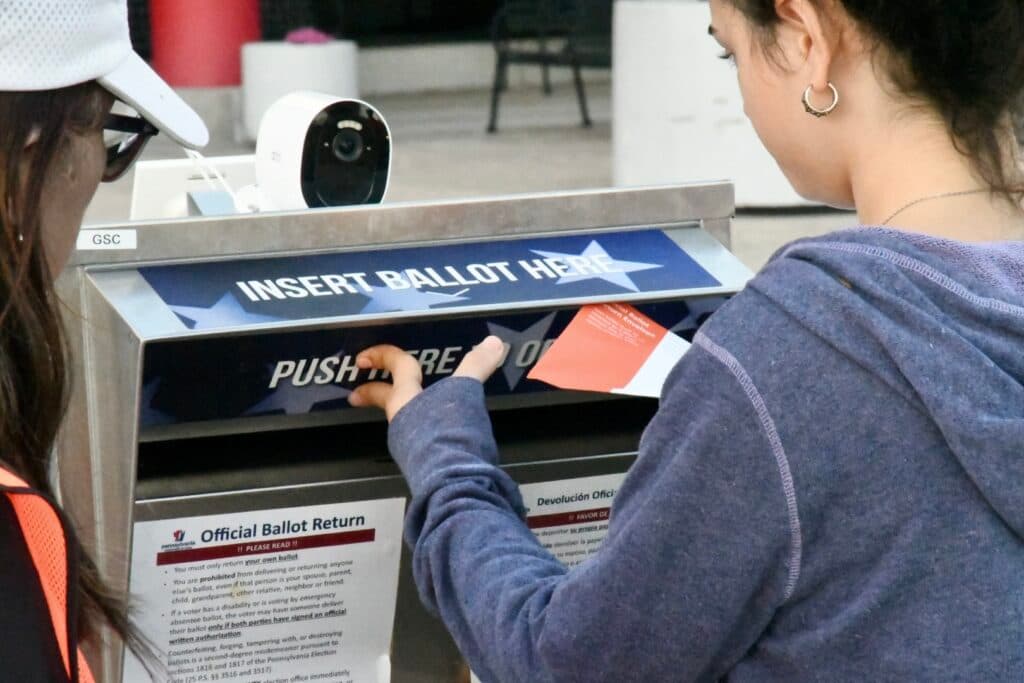
Photo via Georgia Recorder
According to the Georgia Recorder, the U.S. Department of Homeland Security has significantly scaled back its approach to collecting data on Americans who vote by mail. The initial plan was tied to a Trump administration executive order aimed at restricting mail ballot access. However, in a federal court filing submitted Monday evening, the Justice Department substantially modified its position, suggesting the data-sharing initiative may face legal obstacles.
The retreat reflects mounting pressure from civil liberties advocates and legal challenges questioning whether such broad data collection on voting patterns falls within the agency's authority. For Georgia businesses and professionals operating in the state, this development underscores the ongoing intersection of policy, technology, and data privacy—issues that increasingly affect how companies handle sensitive information about customers and constituents.
The evolving nature of this policy demonstrates how federal regulatory decisions can shift rapidly based on legal scrutiny. Business leaders in the Dalton area should monitor how data governance standards develop at the federal level, as such precedents often influence state and local regulations that directly impact business operations, particularly in sectors relying on data analytics and consumer information.