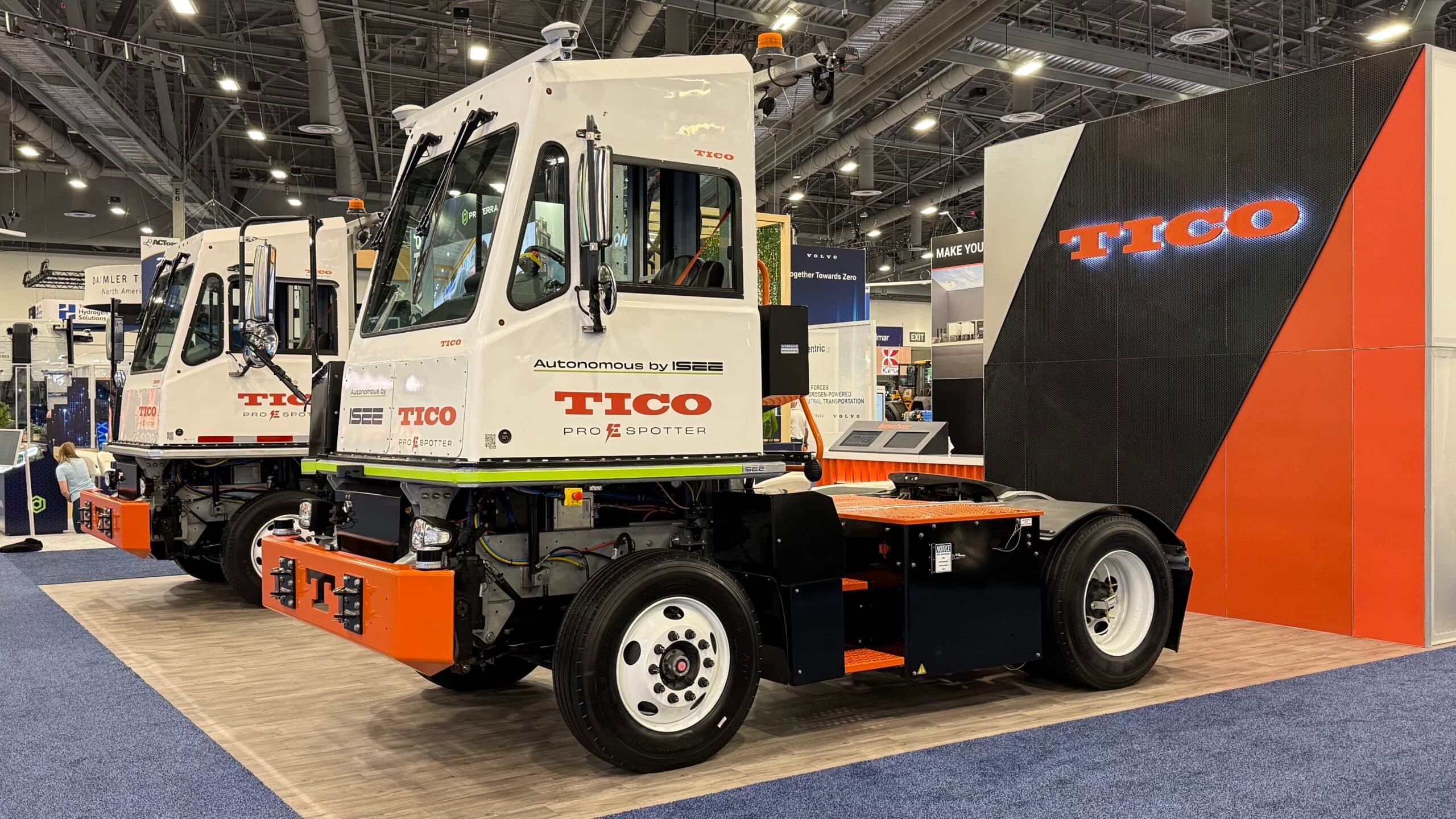
Photo via FreightWaves
According to FreightWaves, a significant compliance issue plagues the transportation industry: improper vehicle identification and marking. Trucks operating across interstate highways frequently display company names in hand-scrawled black marker, USDOT numbers too small to read from a distance, and deteriorating decals that no longer meet federal standards. For Dalton-area logistics operators, these seemingly minor oversights can result in serious regulatory consequences.
The federal regulation 49 CFR 390.21 establishes clear requirements for how commercial motor vehicles must display company identification and USDOT numbers. The rule specifies minimum size, legibility, and permanence standards that many carriers inadvertently violate. Handwritten markings, magnetic signs, and peeling decals typically do not meet the regulation's intent, which is to ensure vehicles can be easily identified for safety and compliance verification purposes.
For Dalton's growing transportation and logistics sector, understanding these requirements is essential. Small trucking operations and larger fleet managers alike must ensure their vehicles feature properly applied, legible, and durable identification markings. The cost of corrective action—professional vinyl lettering or painted markings—is far less than fines imposed during roadside inspections or enforcement actions.
Fleet operators should conduct a comprehensive audit of their current vehicle markings against 49 CFR 390.21 standards. This proactive approach protects company reputation, ensures regulatory compliance, and supports professional fleet management practices that distinguish established carriers in the competitive Dalton logistics market.