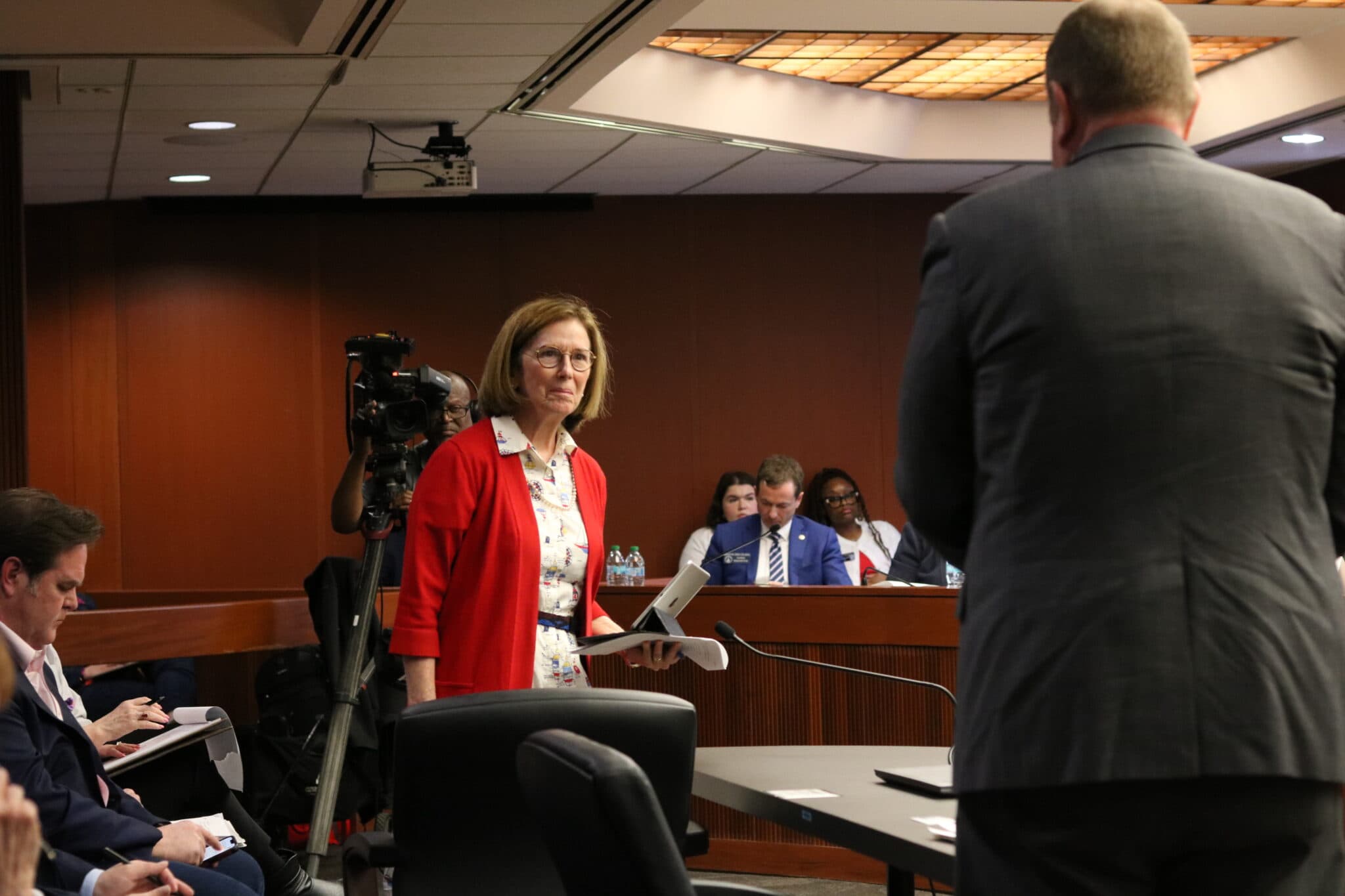
Photo via Georgia Recorder
Democratic Party officials descended on Washington, D.C., in late May to make their case for reordering the presidential primary schedule, according to reporting from the Georgia Recorder. State delegations argued that diversifying which states vote first would broaden the appeal of Democratic nominees and better represent the party's base.
The push to restructure early voting states reflects a broader conversation about representation in presidential politics. States competing for early primary positioning contend that traditional front-runner status has historically concentrated campaign attention and spending in a narrow geographic band, potentially overlooking economically and demographically diverse regions.
Georgia's own experience in recent election cycles demonstrates the outsized influence that comes with being a competitive battleground state. As states vie for early primary slots, Georgia could face shifts in campaign spending patterns and candidate attention—factors that ripple through local economies and business communities.
For Dalton-area business leaders and residents, these national political realignments carry practical implications. Changes to the primary calendar could affect everything from hospitality and retail spending during campaign season to media and advertising investments in the region. The outcome of these negotiations will shape electoral dynamics for years to come.