Photo via CNBC Business
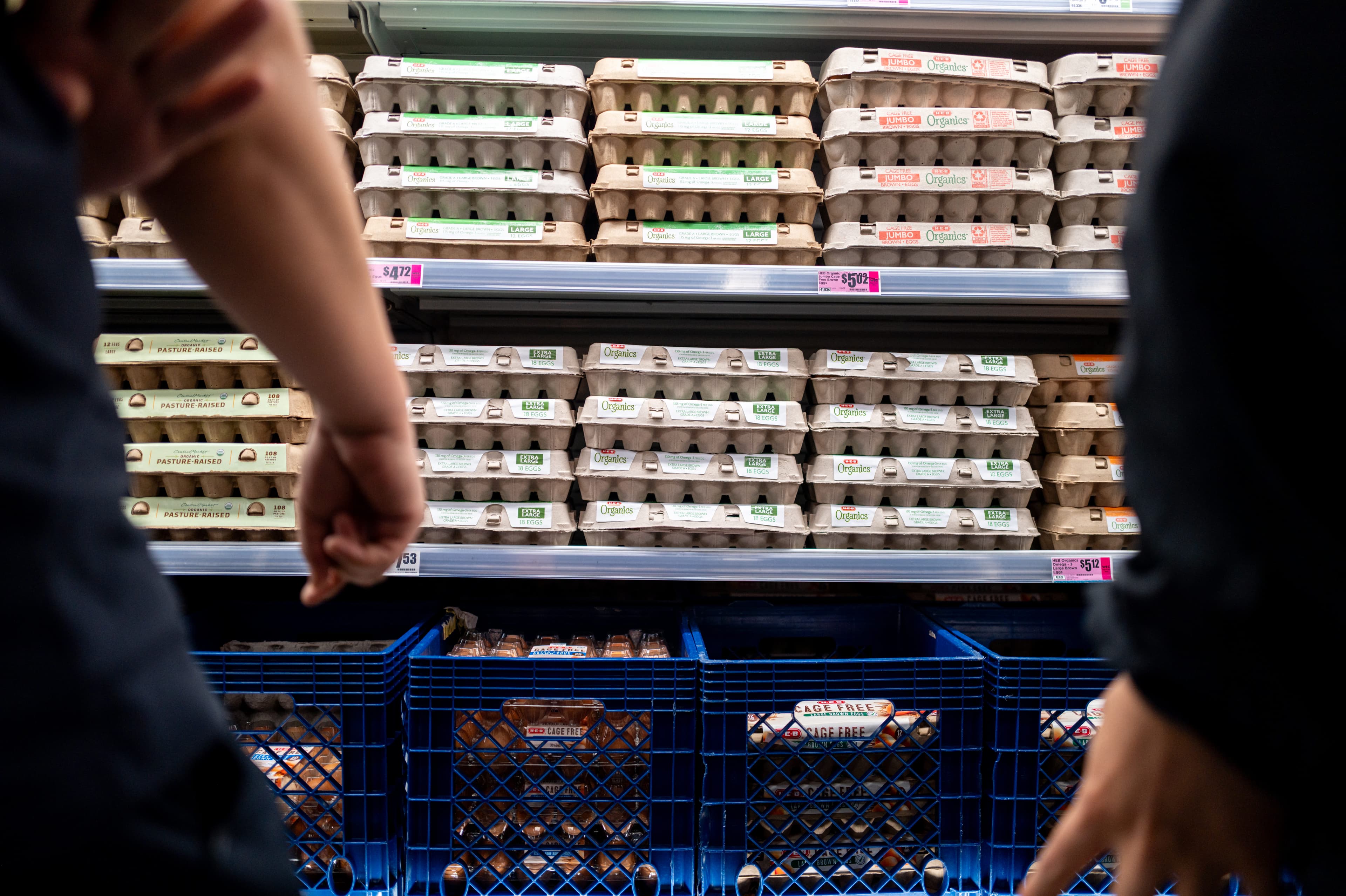
The egg market is experiencing a significant correction following supply chain disruptions caused by avian flu outbreaks in recent years. According to CNBC Business, prices have declined sharply as producers boost output to meet recovering demand, flooding the market with inventory. This supply surge represents a reversal from the constrained conditions that characterized the poultry sector during the height of disease-related culling.
For Georgia's agricultural and food processing sectors—significant contributors to the state's economy—this market shift carries operational implications. The combination of falling prices and persistent input costs creates a squeeze on profitability for producers across the supply chain. Feed costs, fuel expenses, and labor wages remain elevated compared to pre-pandemic levels, making it difficult for producers to maintain healthy margins even as they increase production volume.
The competitive pressure extends beyond primary producers to retailers and food service businesses that source eggs locally or regionally. Dalton-area restaurants, bakeries, and food manufacturers relying on consistent egg supplies face a complex calculus: lower commodity prices offer some relief on input costs, but the compressed margins upstream may limit suppliers' ability to maintain service levels or negotiate favorable terms.
Industry observers note this situation reflects broader volatility in agricultural commodity markets. For businesses managing supply chains in Northwest Georgia, the egg market's current dynamics underscore the importance of flexible sourcing strategies and close monitoring of input cost trends. The sector's ability to achieve sustainable pricing that covers production costs while remaining competitive will shape market conditions through the coming quarters.