Photo via Georgia Recorder
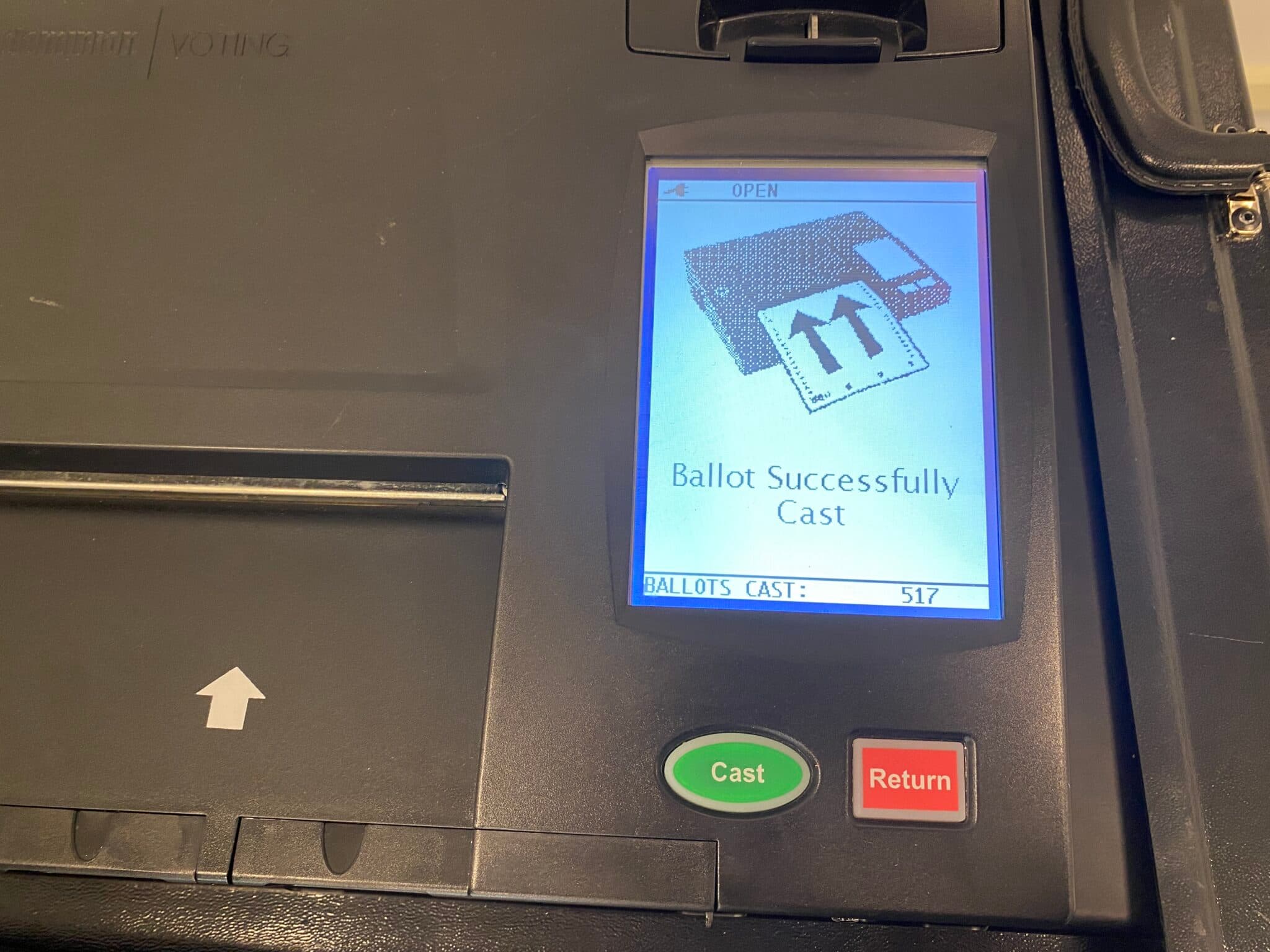
Georgia's business community faces mounting uncertainty as election administration issues continue to create regulatory and operational challenges. According to reporting from the Georgia Recorder, election-related disputes and policy disagreements are expected to intensify ahead of the 2026 midterms, potentially affecting how companies plan operations and manage stakeholder relations in the state.
For Dalton-area businesses that rely on stable regulatory environments and predictable policy frameworks, election-related chaos introduces unwelcome variables. Companies operating in logistics, manufacturing, and distribution—sectors vital to Northwest Georgia's economy—depend on clear legal frameworks and consistent governance. Prolonged election disputes and policy uncertainty can distract leadership and resources from business priorities.
The underlying concern centers on whether current election challenges stem from procedural gaps or deliberate policy choices. Either scenario creates problems for business planning. Regulatory uncertainty discourages long-term investment decisions, makes capital planning more difficult, and can impact employee retention as companies question the state's administrative competence.
Georgia business leaders should monitor how election administration issues develop and consider advocating for clear, bipartisan solutions that restore confidence in state governance. A stable, predictable regulatory environment remains essential for attracting business growth and maintaining competitive advantage in the Southeast.