Photo via Georgia Recorder
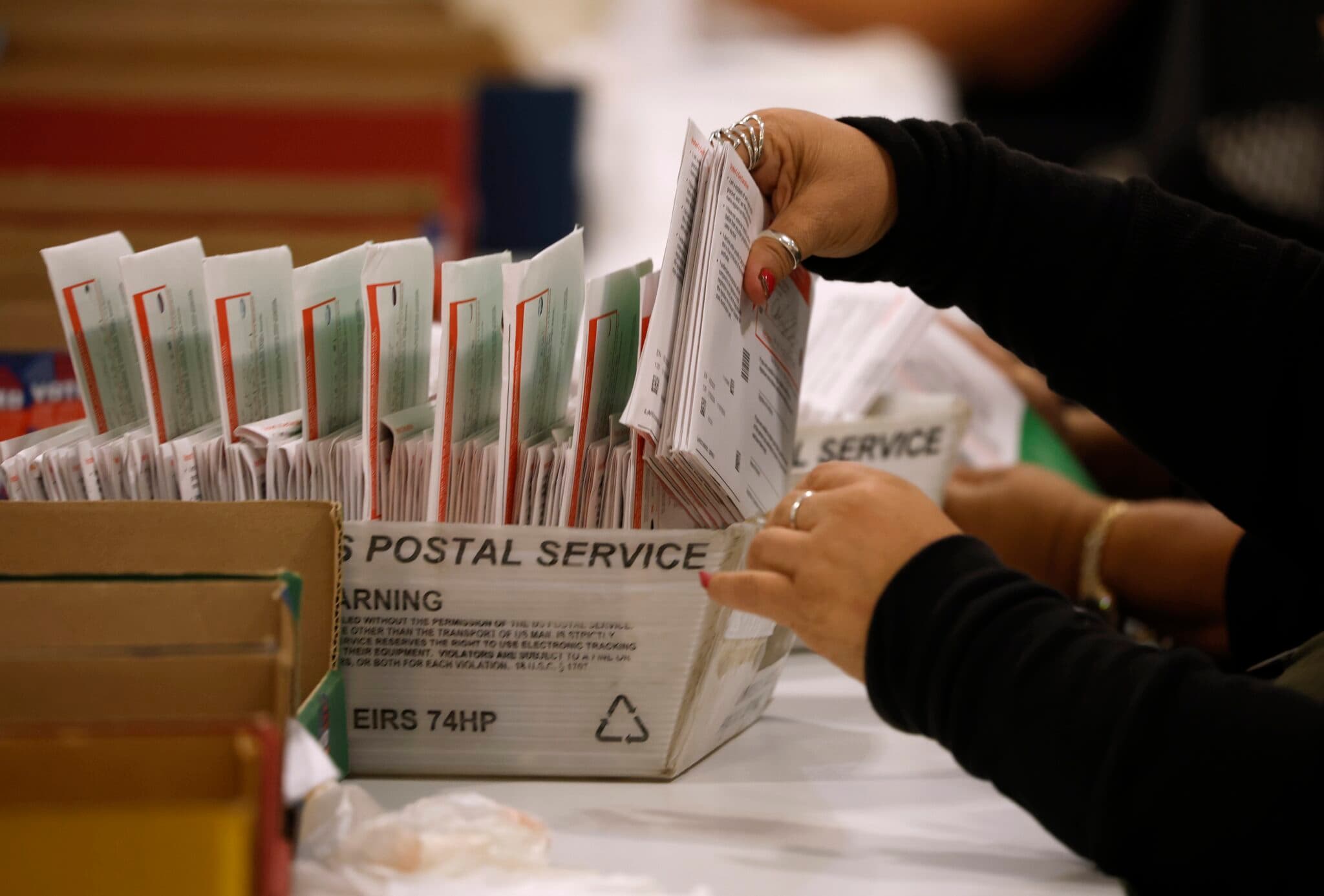
Election administration has become an increasingly contentious political issue, with disputes extending beyond Georgia to other states like California. According to the Georgia Recorder, recent attacks on state voting processes—particularly around mail-in ballot counting timelines—reflect broader concerns that will likely shape the midterm election cycle. For Dalton-area business owners, these debates warrant attention as they influence public trust in institutions and can affect consumer behavior and economic confidence.
States utilize different voting procedures to balance accessibility with efficiency. California's extended counting process, which can take weeks after Election Day, stems from measures designed to protect voter access and accommodate mail ballots submitted on Election Day. According to election officials, incomplete vote tallies in the immediate post-election period do not indicate fraud but rather reflect standard administrative practices. Business leaders should recognize that procedural differences between states do not necessarily signal system failures.
As midterm elections approach, Dalton businesses may experience shifts in consumer spending patterns tied to political engagement and uncertainty. Understanding the distinction between election procedures and fraud allegations helps business professionals engage in informed discussions with customers, employees, and community members. Companies operating across multiple states should familiarize themselves with regional voting processes to better anticipate how election-related communications may resonate with their markets.