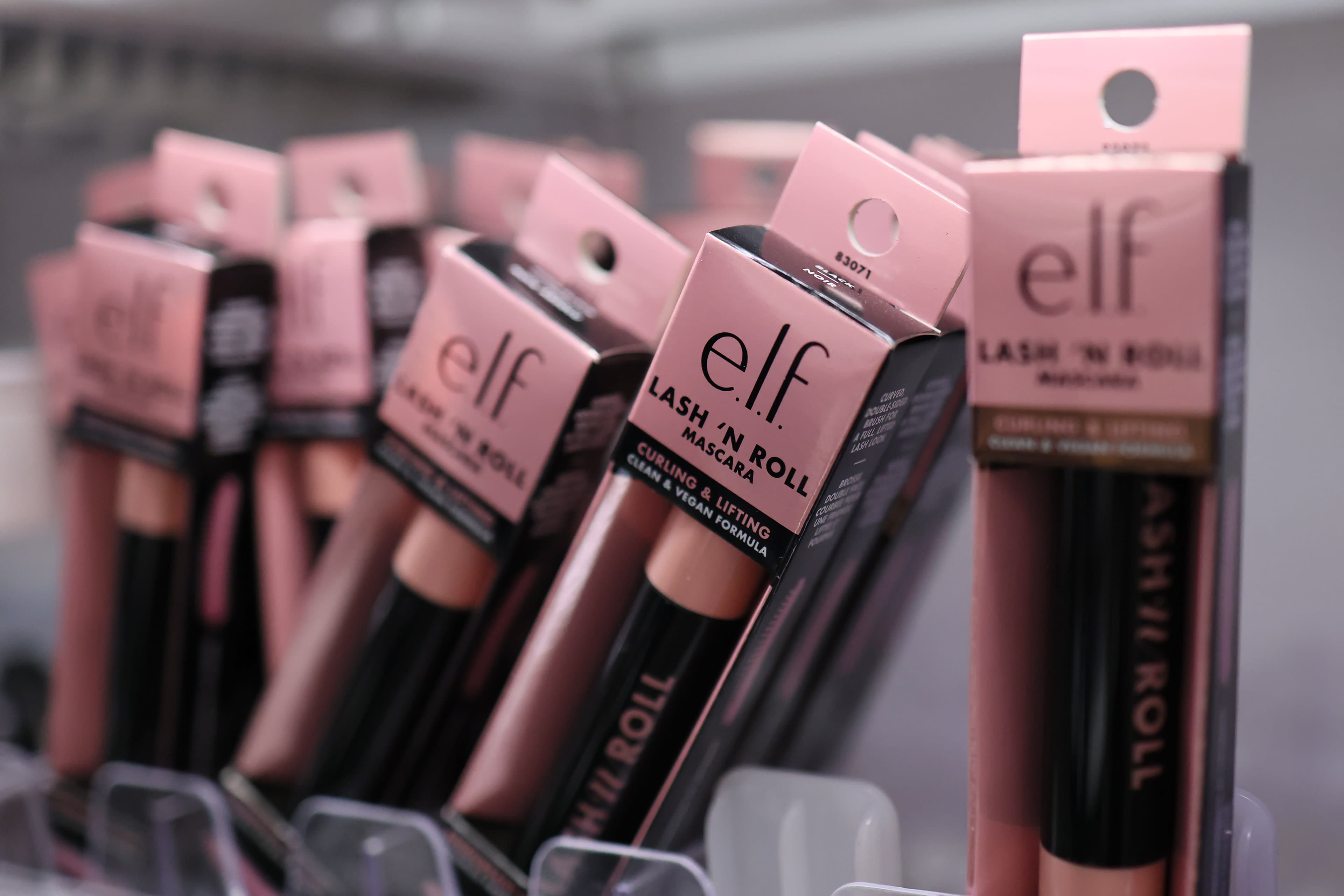
Photo via CNBC Business
According to CNBC Business, E.l.f. Beauty is reversing course on price increases implemented last August, when the company raised prices by approximately $1 per item to absorb tariff costs. The decision reflects a significant shift in the company's pricing strategy as consumer demand shows signs of weakness in the current economic environment.
The beauty retailer's move underscores the difficult balancing act facing consumer goods manufacturers and retailers across sectors. While tariffs and elevated operational costs—including fuel expenses—created genuine pressure on margins, sustained price increases have begun to erode customer loyalty and sales volume, forcing companies to recalibrate their approach.
For Dalton-area retailers and suppliers, E.l.f. Beauty's decision carries important implications. As a major consumer goods company reassessing its pricing strategy, the shift signals that businesses throughout the supply chain may face similar pressures to absorb costs rather than passing them entirely to consumers. This could impact everything from wholesale pricing to inventory planning for local retailers.
The situation highlights a broader challenge facing Georgia's retail sector: balancing inflationary pressures with consumer purchasing power. As companies like E.l.f. Beauty demonstrate, sustained price increases often prove unsustainable when consumer confidence softens. Regional retailers and distributors should monitor how major brands navigate these dynamics, as pricing strategies will likely reshape competitive positioning and margin expectations across the board.