Photo via Georgia Recorder
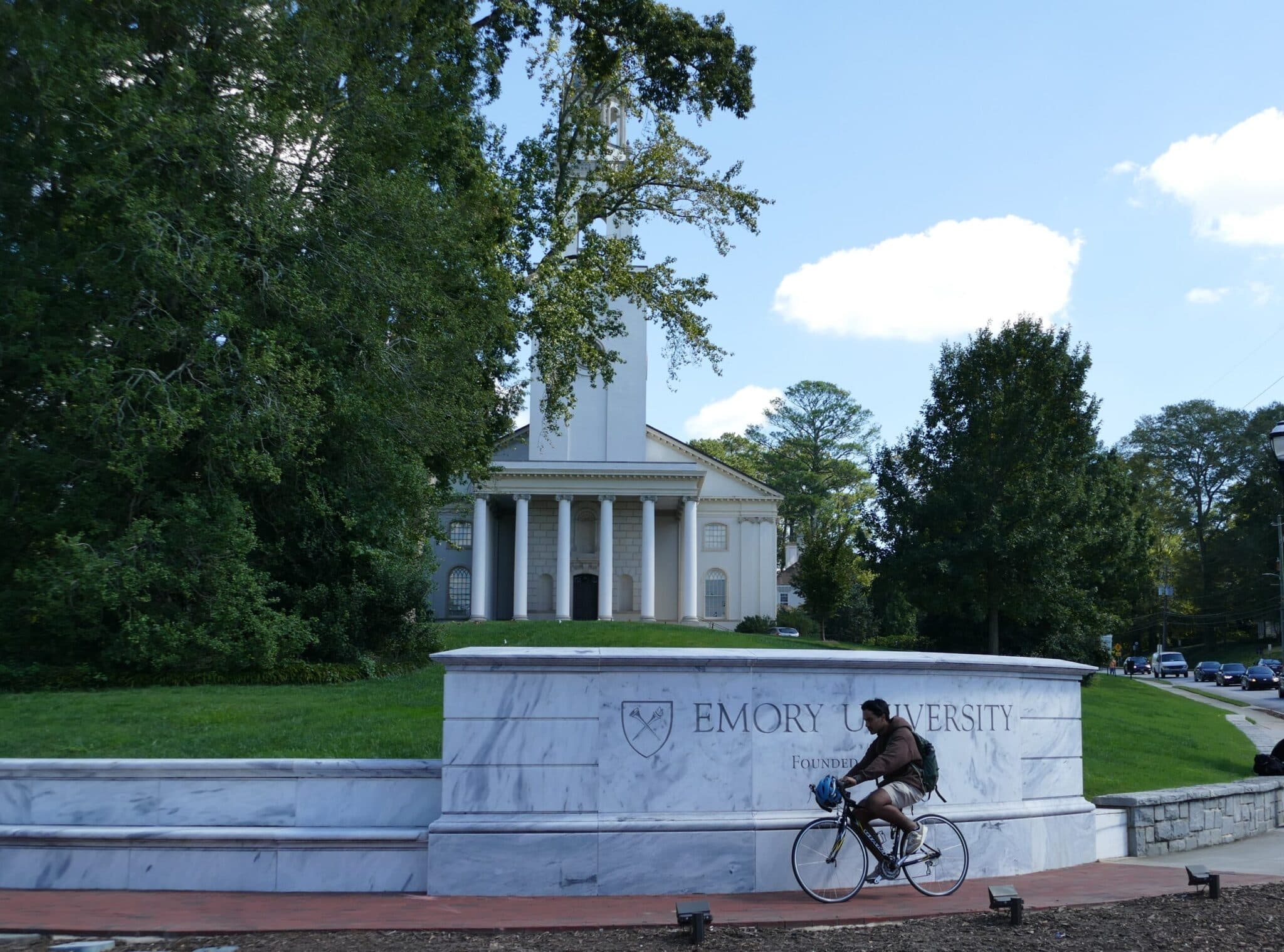
Three faculty members at Emory University have taken legal action against the institution, claiming they were wrongfully arrested during a campus protest in April 2024. According to Georgia Recorder, the professors—Noelle McAfee, Emil' Keme, and Caroline Fohlin—allege that Emory University Police Department officers violated their rights and that the university failed to uphold its own free expression policies during the incident.
The lawsuit centers on allegations of wrongful arrest, improper prosecution, and negligence by the university in managing the protest situation. The complaint argues that the institution breached its commitment to protecting academic freedom and the rights of faculty members to engage in peaceful protest—principles fundamental to university operations and institutional credibility.
For regional business leaders and institutions, this case underscores the importance of clear protocols for managing campus activism and protecting both institutional interests and constitutional protections. Universities like Emory serve as major employers and economic anchors in their regions, and legal disputes of this scale can affect institutional reputation and stakeholder confidence.
The outcome of this lawsuit may set precedent for how Georgia educational institutions handle similar situations in the future. Business leaders in the Dalton area should monitor how this case develops, as it reflects broader questions about institutional governance, liability management, and the balance between security and free expression rights that apply across sectors.