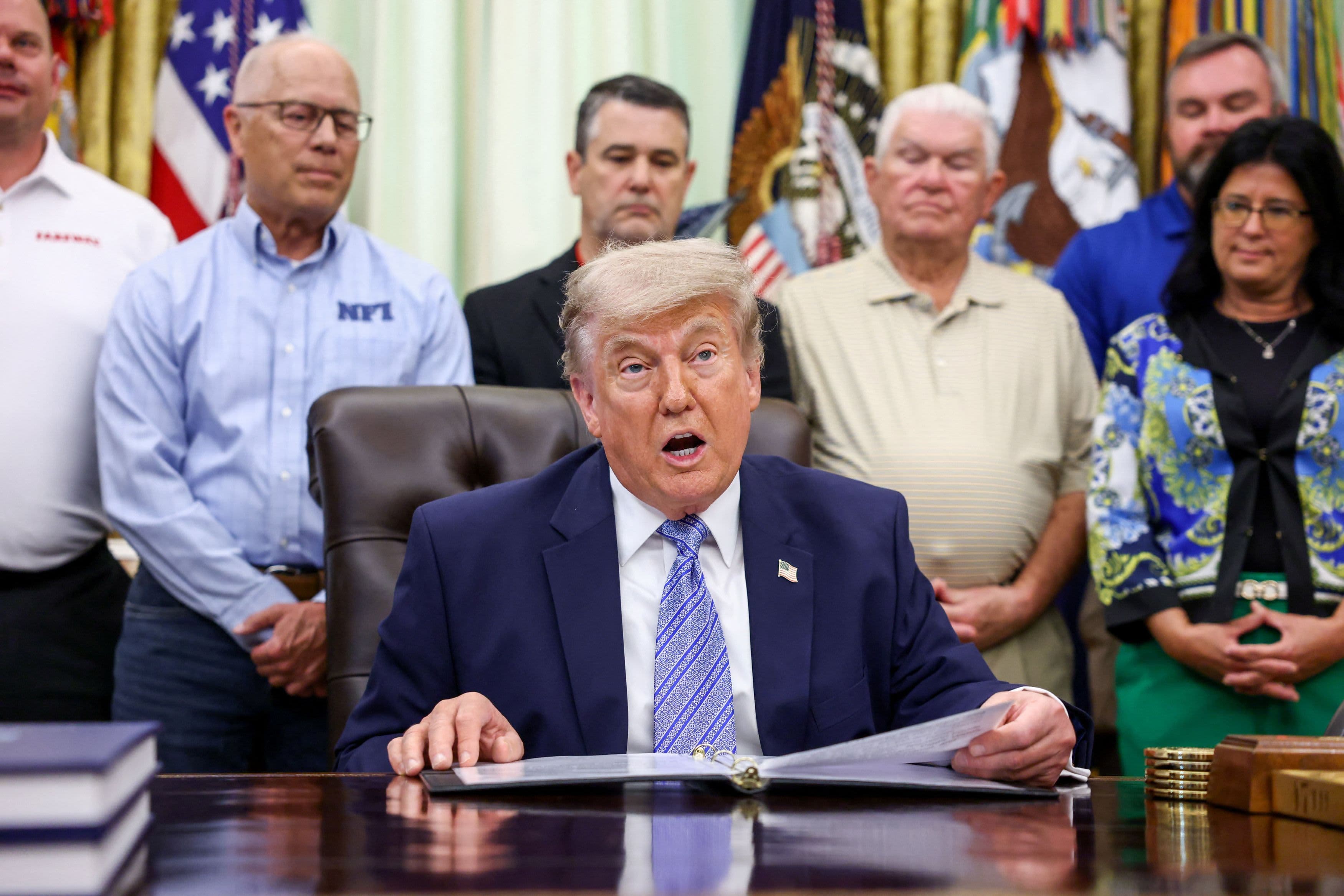
Photo via CNBC Business
The Trump administration has announced a delay in implementing EPA refrigerant rules that were established during the Biden presidency, citing potential cost savings for consumers at the grocery store. According to reporting from CNBC Business, the administration framed the regulatory pause as a consumer-friendly policy designed to prevent unnecessary price increases on food items. However, industry experts remain skeptical about whether this delay will translate into meaningful savings at checkout.
The contested refrigerant regulations would have required food retail operations—a significant sector for Northwest Georgia's economy—to transition to more environmentally friendly cooling systems. Grocers, supermarkets, and food distribution centers across the Dalton region rely heavily on commercial refrigeration equipment. The uncertainty surrounding implementation timelines affects capital planning decisions for both independent retailers and larger chains operating locally.
Questions about the actual economic impact persist among business analysts. While proponents of the delay argue that avoiding costly equipment upgrades will reduce operational expenses that stores might pass to consumers, critics contend that food pricing is influenced by numerous factors beyond refrigeration compliance costs. The disconnect between regulatory promises and real-world pricing outcomes has left local retailers uncertain about how to plan their equipment investments and operational budgets.
For Dalton-area business owners in the retail and food service sectors, the regulatory pause creates both opportunity and uncertainty. Companies must weigh whether to maintain current systems, invest in new equipment anticipating future regulations, or wait for clearer guidance from federal agencies. Industry groups continue advocating for regulatory clarity, recognizing that ambiguous policy environments complicate long-term business planning and capital allocation decisions.