Photo via Georgia Recorder
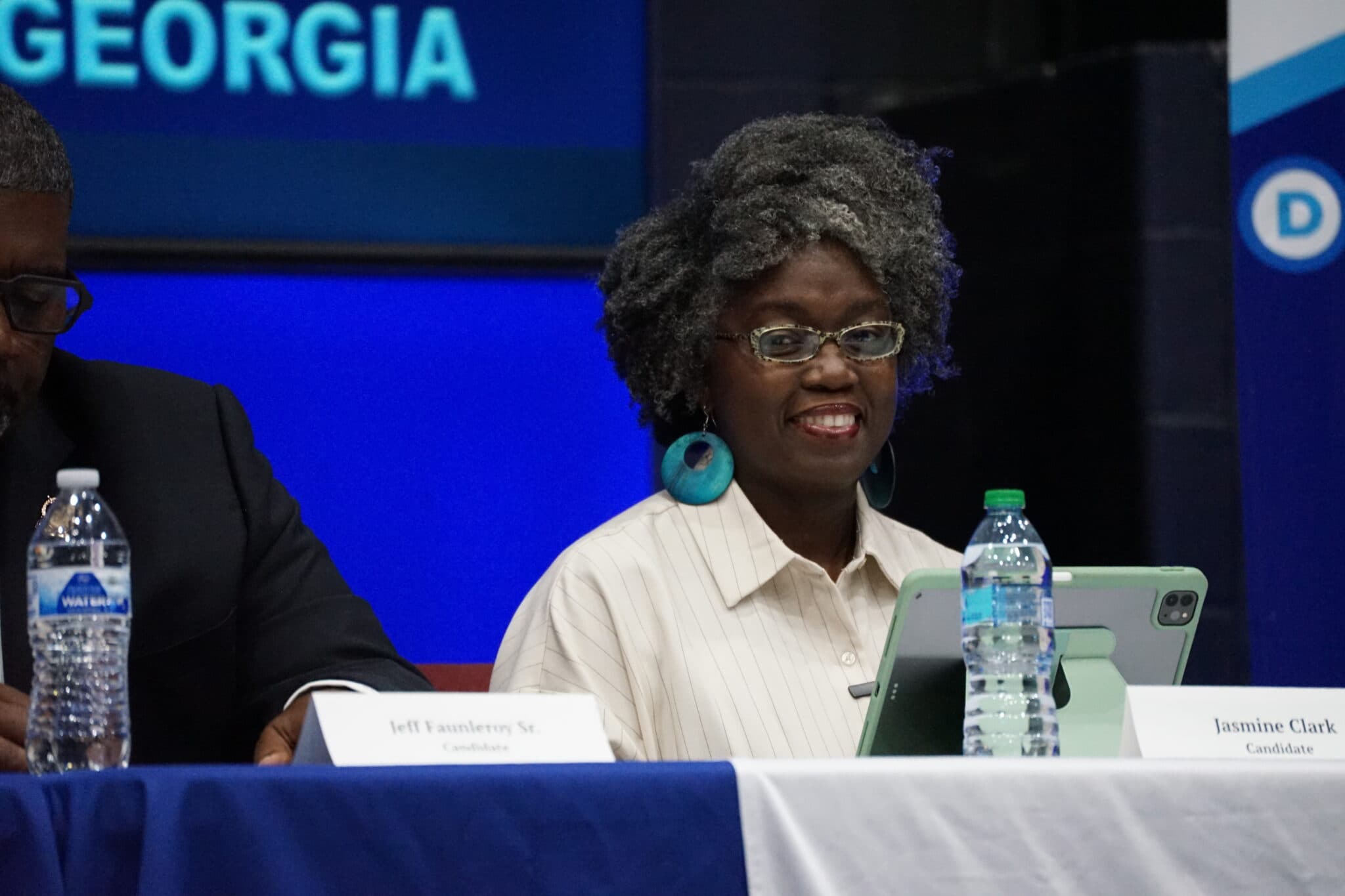
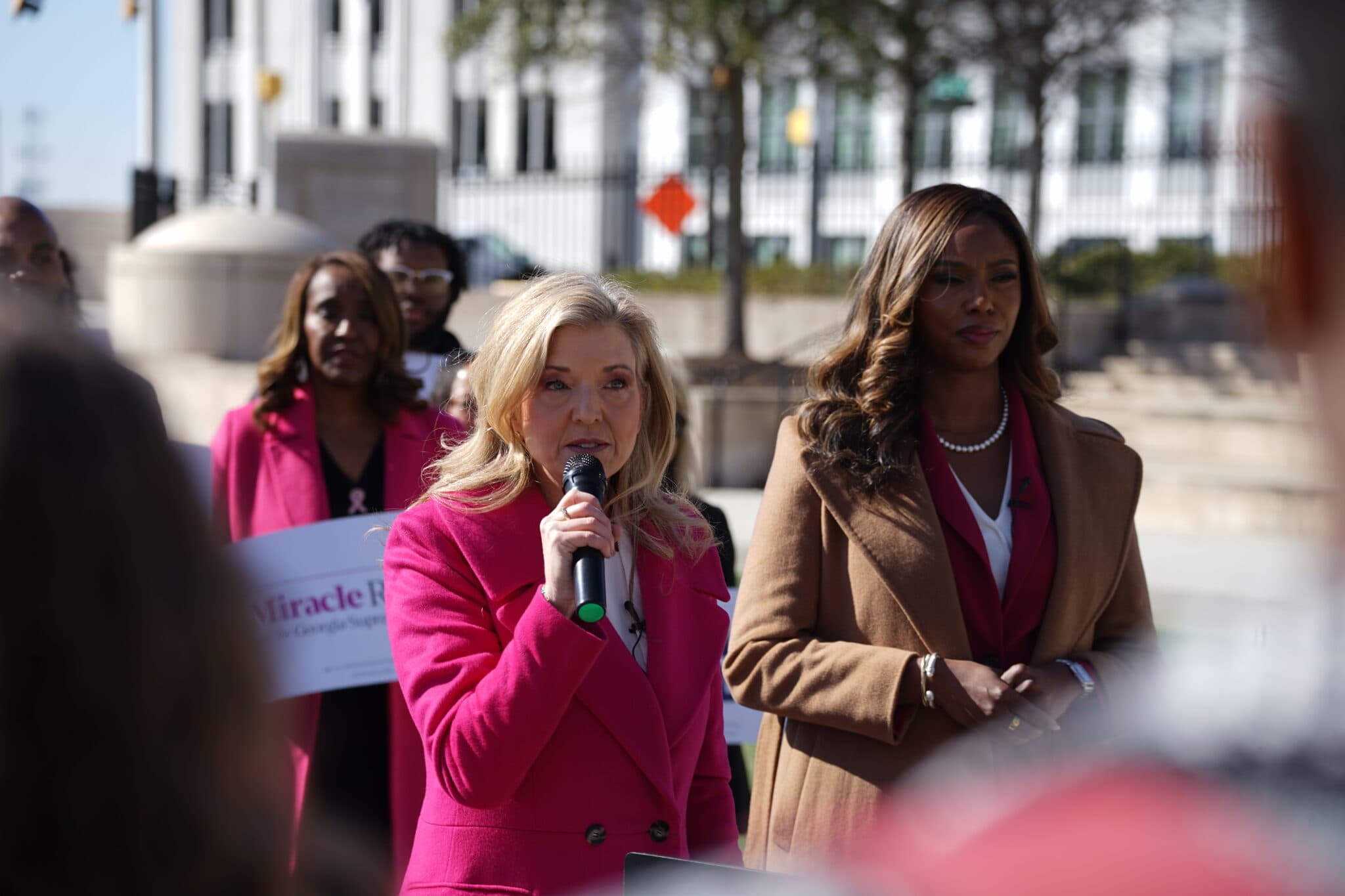
Georgia's Judicial Qualifications Commission has raised concerns about campaign conduct in the state's high-stakes Supreme Court races. According to the Georgia Recorder, a special committee within the oversight agency issued public statements declaring it 'reasonably believes' two Democratic-backed candidates violated judicial ethics rules during their campaigns against Republican-appointed justices.
The timing of the ethics panel's findings—released just days before the election—underscores the contentious nature of these judicial contests. Such campaigns have grown increasingly competitive in recent years, with candidates and their supporters pushing the boundaries of what is permissible under judicial conduct standards. The panel's intervention signals concern about maintaining public confidence in the impartiality of Georgia's courts.
For Dalton-area business leaders, judicial ethics and court integrity matter significantly. The state Supreme Court handles cases affecting business regulations, contract disputes, and property rights that directly impact Georgia's commercial landscape. When confidence in judicial independence erodes, it can affect business investment and decision-making across the state.
The findings highlight ongoing debates about how judicial candidates can campaign while maintaining the appearance of impartiality required by ethics rules. As Georgia's political landscape continues to shift, questions about judicial accountability and campaign conduct will likely remain central to future election cycles and governance discussions.