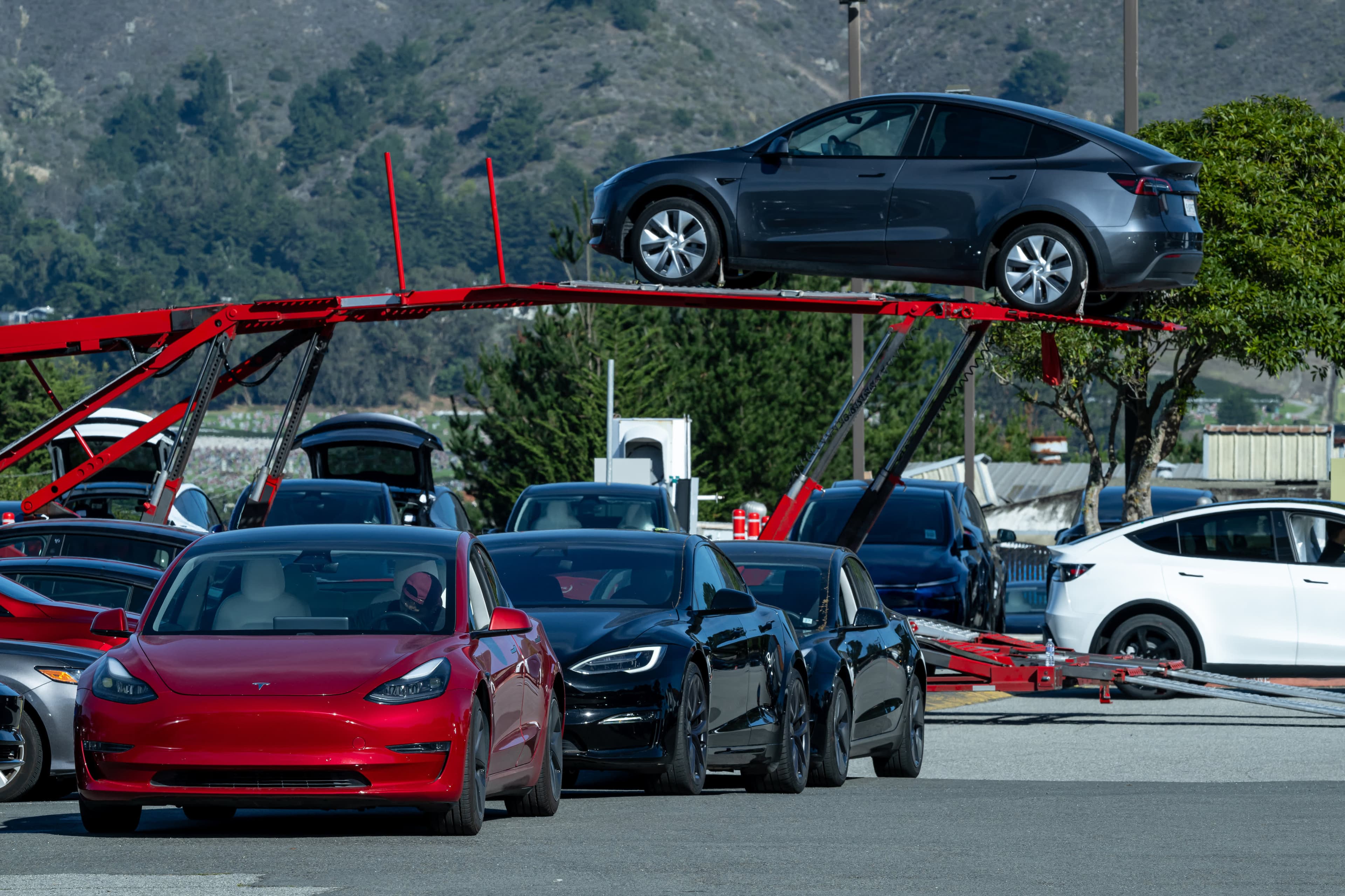
Photo via CNBC Business
Consumer preferences in the automotive market are evolving as fuel costs continue to influence purchasing decisions. According to trade-in data analyzed by Edmunds, an increasing number of buyers are exploring electric vehicle options when shopping for their next car. For Dalton-area dealerships and automotive retailers, this trend reflects broader changes in buyer priorities that merit attention as inventory and sales strategies adjust.
Rising fuel prices remain a primary catalyst driving EV interest among consumers. When gasoline costs spike at the pump, the long-term savings associated with electric powertrains become more attractive to budget-conscious buyers. This economic pressure is particularly relevant in Northwest Georgia, where commuting distances and transportation costs directly impact household finances and business operational expenses.
However, demand growth faces headwinds beyond fuel pricing. According to Edmunds research, several factors continue to restrain broader EV adoption, including charging infrastructure availability, upfront vehicle costs, and consumer concerns about battery longevity and resale value. For the Dalton region, these barriers underscore the importance of developing local charging networks and dealer education to help customers make informed decisions.
As the automotive landscape transforms, local dealerships and transportation-focused businesses should monitor these shifting preferences. Understanding what motivates—and what discourages—EV purchases will be essential for retailers positioning themselves competitively in the coming years. Industry stakeholders in Dalton would be wise to evaluate how EV trends might affect their service departments, inventory mix, and customer engagement strategies.