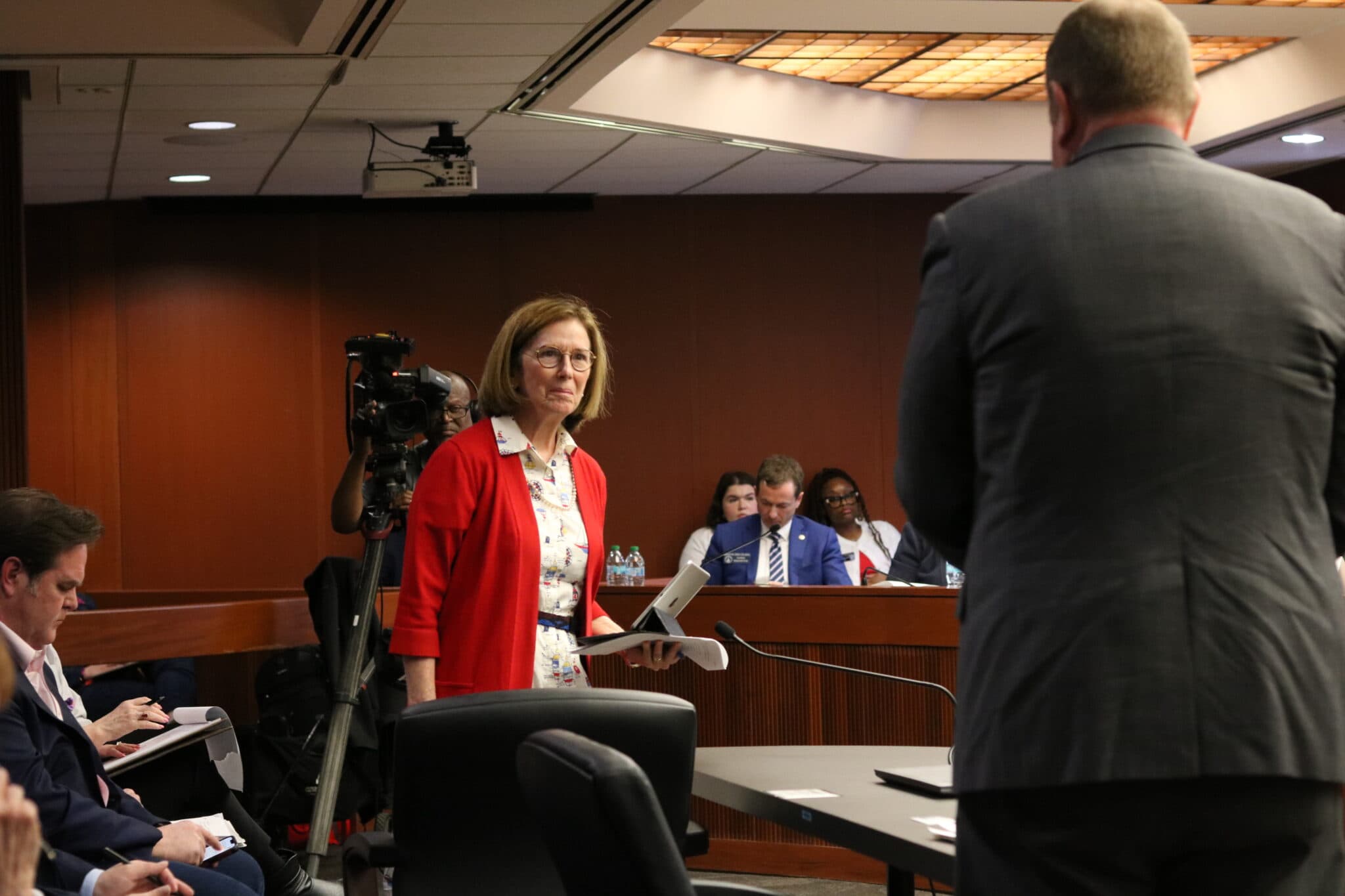
Photo via Georgia Recorder
The landscape of faith-based higher education in the Southeast is shifting dramatically. According to the Georgia Recorder, Birmingham-Southern College—a Methodist institution that operated for 168 years—closed its doors after graduating its final class in May 2024. The Alabama college had produced notable alumni including members of Congress, accomplished musicians, and Pulitzer Prize winners, representing the caliber of education that regional private institutions once reliably delivered.
The closure of established Christian colleges creates a void in the region's educational ecosystem at a time when employers throughout Georgia and surrounding states report difficulty finding qualified candidates with both technical skills and liberal arts training. For businesses in Dalton and across Northwest Georgia, the loss of these institutions means fewer regionally-educated professionals entering the workforce pipeline, potentially affecting everything from management talent to specialized industry roles.
In response to this gap, megachurches with significant resources are increasingly establishing their own educational institutions and degree-granting programs. This trend reflects both an opportunity and a challenge: while faith-based organizations can mobilize capital and community support quickly, their academic credentials and employer recognition remain unproven compared to century-old institutions.
For Dalton-area business leaders, this transformation warrants attention. The quality and accessibility of regional higher education directly impacts workforce development and talent recruitment. Understanding how faith-based education providers are evolving—and whether they can maintain academic standards while expanding access—will be crucial for companies planning long-term workforce strategies in our region.