Photo via Georgia Recorder
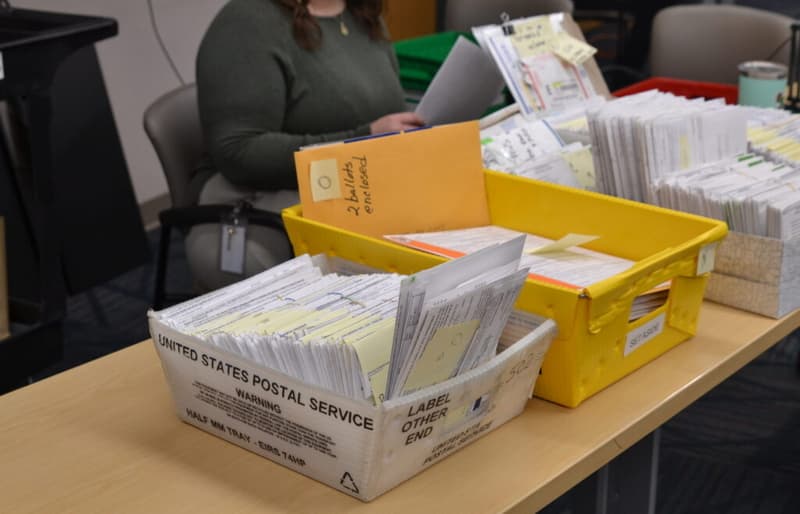
The Trump administration's recent executive order targeting mail-in voting remains in legal limbo as federal agencies claim they have not yet begun implementation efforts. According to the Georgia Recorder, the Department of Justice filed motions late Friday requesting that a federal judge dismiss a Democrat-backed lawsuit challenging the order and refuse to block it temporarily while the case proceeds.
This legal standoff creates questions for Georgia businesses and their workforce regarding voting access and employee participation in elections. Dalton-area employers who have supported flexible voting policies for their teams may need to monitor how federal courts ultimately rule on this matter, as the outcome could affect workplace voting accessibility and absentee ballot processes.
The DOJ's argument for dismissal suggests the administration intends to move forward with restrictions on mail voting, even as the court process unfolds. However, the agency's current position—that no implementation has occurred—suggests federal coordination on the order remains incomplete or pending legal clarity. This pause presents a window for stakeholders to understand potential impacts.
For Dalton business leaders managing payroll and employee benefits, tracking this legal development remains prudent. Changes to voting procedures could indirectly affect workforce scheduling, time-off requests, and employee engagement with civic participation. Regional chambers and business associations may want to assess how this order could influence their members' operations and employment practices.