Photo via FreightWaves
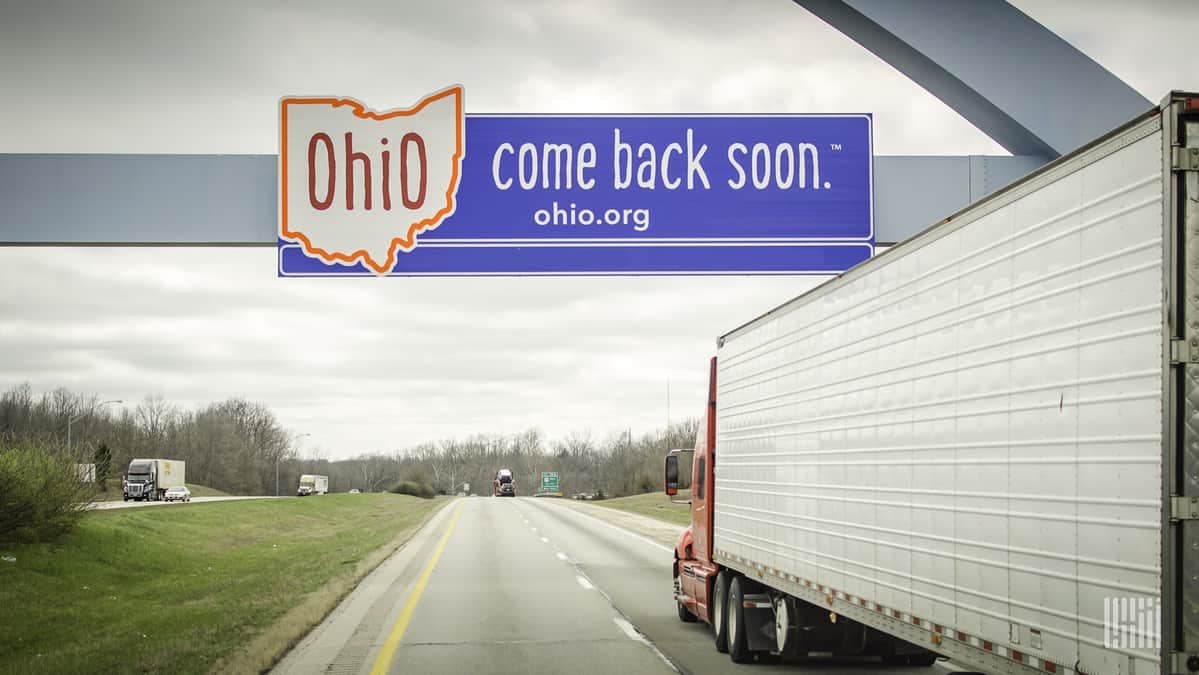
A nationwide compliance effort targeting commercial driver licenses is gaining momentum as states tighten regulations on nonresident CDL holders. According to FreightWaves, Ohio is undertaking a comprehensive review of approximately 5,000 non-domiciled CDLs as part of this broader federal initiative. For Dalton-area logistics companies and freight operations that rely on out-of-state drivers, this crackdown underscores the growing importance of maintaining robust credential management systems.
The federal compliance push reflects heightened scrutiny of how states issue and monitor CDLs, particularly for drivers who do not maintain legal residency in the licensing state. This creates administrative complexity for carriers operating across state lines, a common practice in the Dalton region's substantial trucking and logistics sector. Companies must now ensure their drivers meet increasingly stringent documentation and verification requirements to avoid operational disruptions.
For Dalton-based logistics firms and transportation companies, the regulatory changes carry significant implications. Fleets that employ or contract with nonresident drivers may face additional compliance obligations, potential delays in hiring, or the need to reassess their driver certification processes. Staying informed about state-by-state compliance timelines will be critical for maintaining uninterrupted operations.
Industry stakeholders should monitor how other states follow Ohio's lead in reviewing nonresident CDLs. The ripple effect could influence everything from driver recruitment strategies to insurance requirements for Dalton carriers. Consulting with legal advisors familiar with transportation regulations and maintaining proactive communication with state motor vehicle administrators may help mitigate compliance risks in the months ahead.