Photo via Georgia Recorder
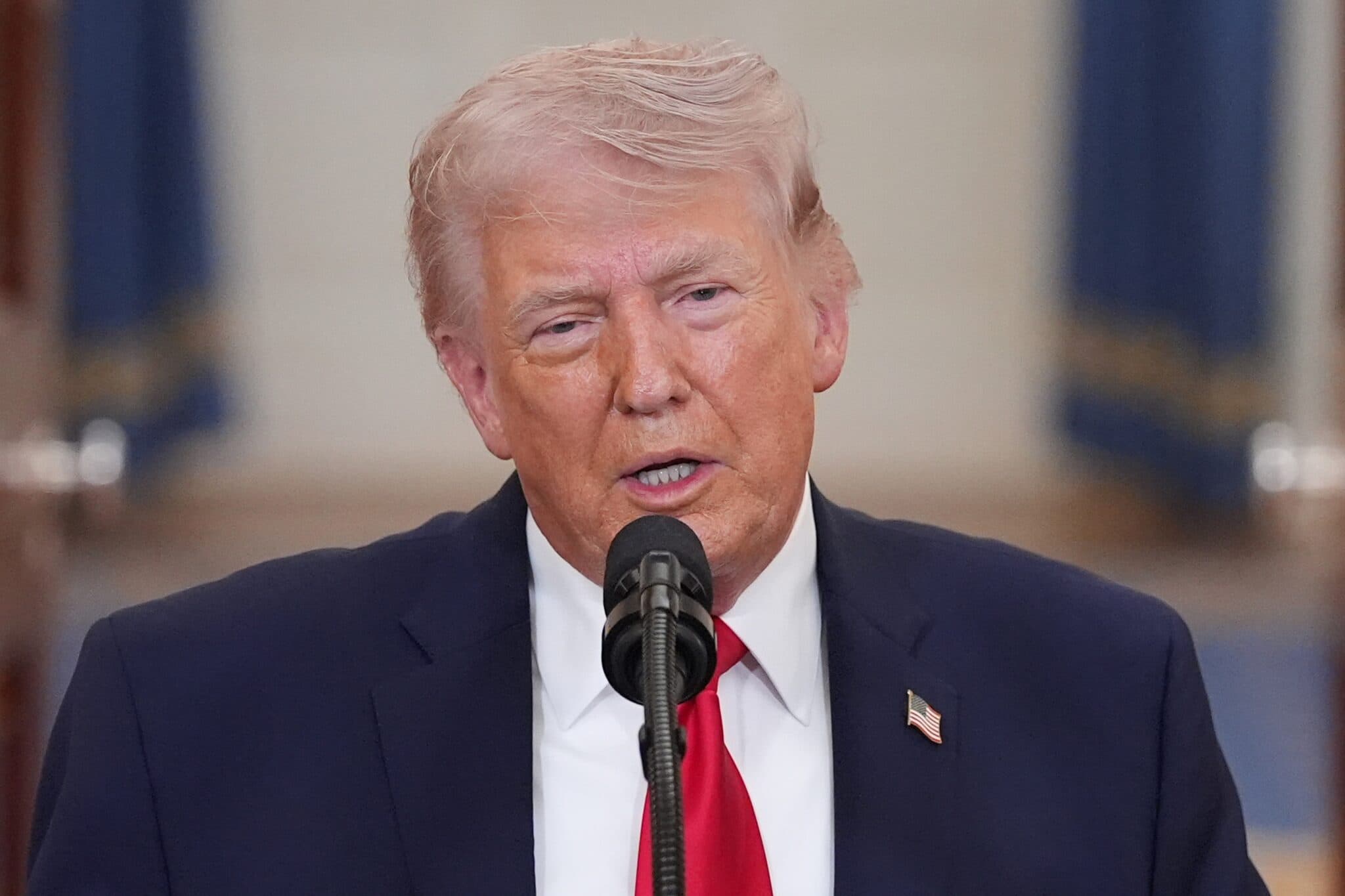
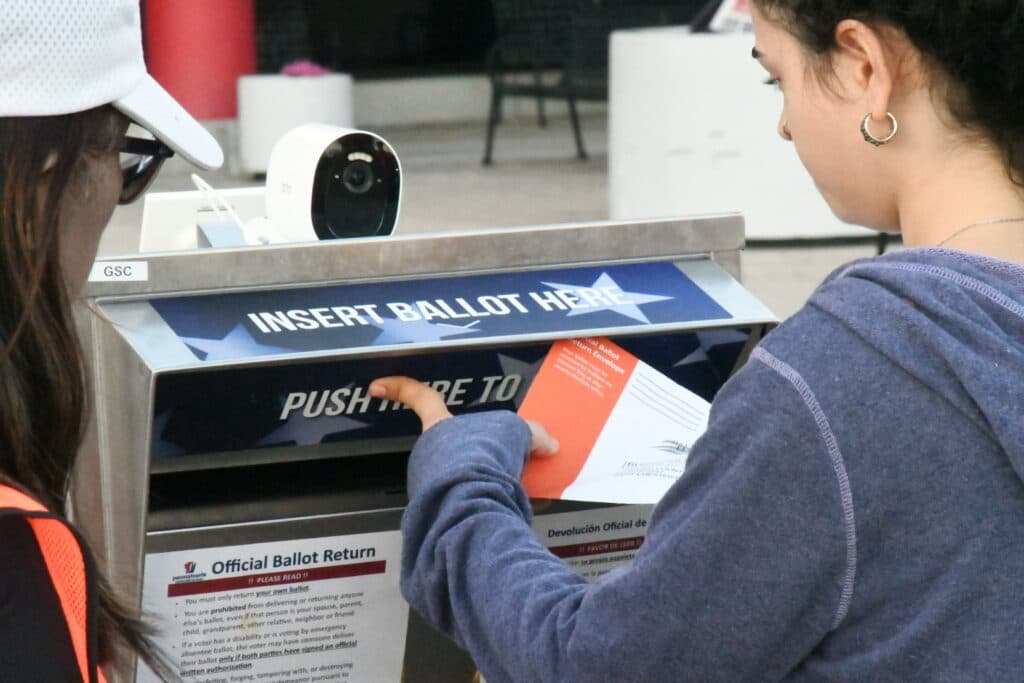
A federal court heard arguments Thursday on whether to block President Donald Trump's latest executive order aimed at compiling citizenship lists and implementing traceable mail-in ballot systems. According to the Georgia Recorder, lawyers representing the Democratic National Committee, Senate Minority Leader Chuck Schumer, House Minority Leader Hakeem Jeffries, and various advocacy organizations presented their case for swift rejection of the measure.
The legal challenge centers on concerns that the executive order could create significant administrative chaos and implementation challenges across state election systems. Opponents argue the directive would impose substantial new burdens on election officials already managing complex voting infrastructure, potentially disrupting ballot processing and voter access in states nationwide, including Georgia.
For Georgia businesses, particularly those in the logistics and technology sectors, such regulatory changes could have ripple effects on election-related operations and compliance requirements. Companies providing election services, ballot printing, or voting infrastructure support may face unexpected operational adjustments if the order proceeds.
The court's decision carries implications beyond the immediate legal dispute, setting precedent for executive authority over election administration. Business leaders and stakeholders across Dalton and the region are watching the outcome, as election integrity processes can indirectly affect commerce, workforce availability, and community operations during voting periods.