Photo via Georgia Recorder
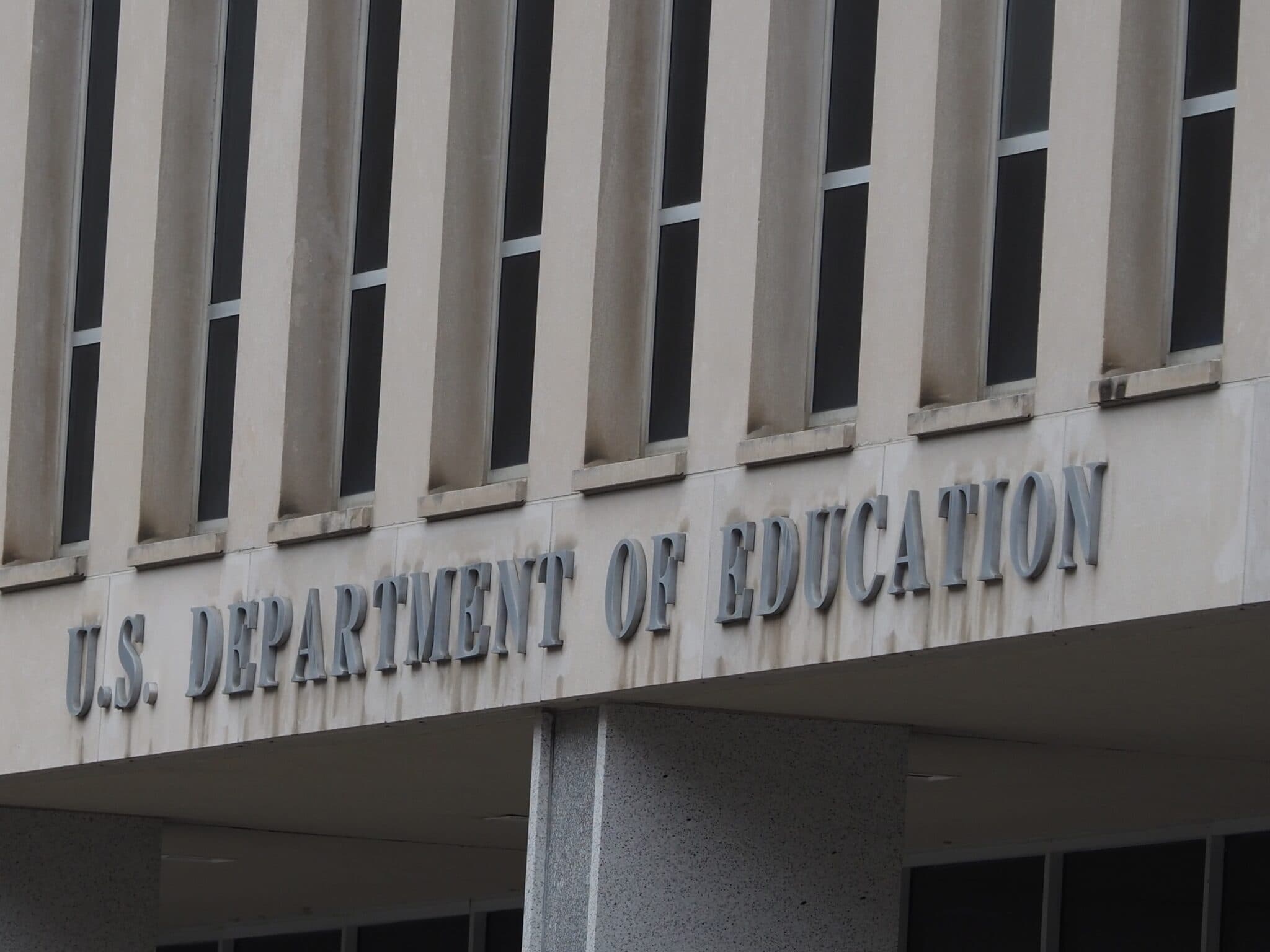
A significant restructuring of the federal student loan system begins July 1, according to the Georgia Recorder. The overhaul introduces stricter loan limits and modified repayment terms that could reshape how prospective students—including those in the Dalton area—finance their education. Education experts warn the changes may create barriers to borrowing, with implications extending beyond individual households to local employers seeking educated workers.
One of the most pressing concerns is the likelihood that tighter federal lending standards will push more borrowers toward private lenders or cause some to reconsider post-secondary education altogether. For Dalton-area businesses reliant on a skilled workforce—particularly in manufacturing, logistics, and healthcare—these shifts could impact the pipeline of educated job candidates. Employers may need to reassess recruitment strategies and employee development programs in light of changing educational financing dynamics.
The new loan limits and repayment structures represent a fundamental shift in how the federal government supports higher education access. According to the Georgia Recorder, critics worry these changes will increase the overall cost of borrowing and make education less accessible to middle- and lower-income families. This could disproportionately affect smaller communities and rural areas where alternative educational funding sources are limited.
Local business leaders should monitor these developments closely. Understanding the federal student loan changes may inform HR policies, employee benefit packages, and workforce planning. Some employers are exploring tuition reimbursement programs or education partnerships to help bridge gaps created by tighter federal lending, positioning themselves competitively in a potentially tighter labor market.