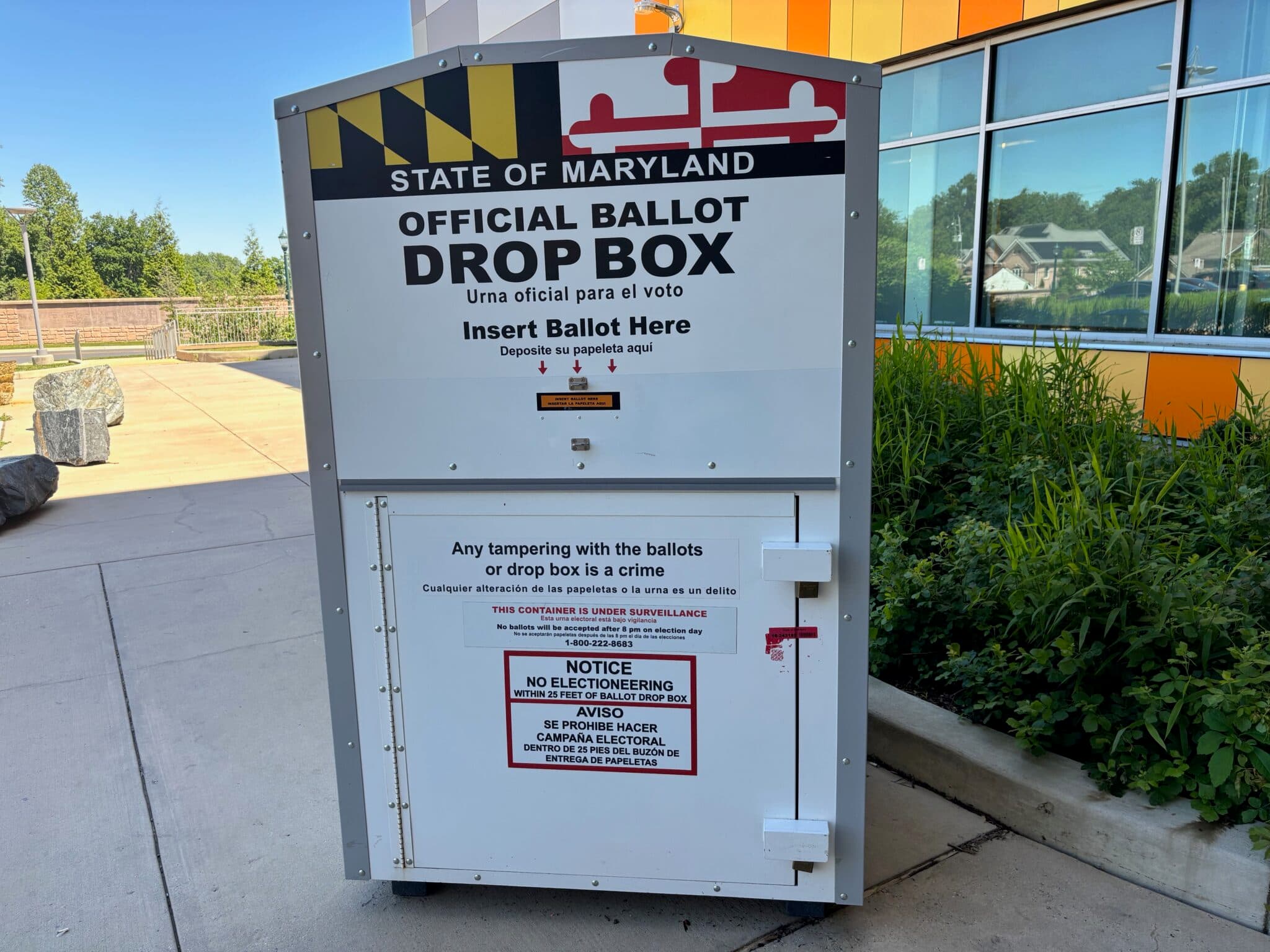
Photo via Georgia Recorder
The U.S. Department of Homeland Security has announced plans to grant states access to federal citizenship data by June 30 and establish monitoring systems for mail-ballot processing, according to Georgia Recorder. These measures stem from an executive order signed March 31 and are being implemented despite ongoing legal challenges. For Dalton-area businesses with distributed workforces or employees voting remotely, understanding these procedural changes may be relevant to HR planning and employee communications.
According to the reported court documents, the administration's approach includes enhanced data-sharing protocols between federal and state agencies. Georgia, a state with significant business operations across manufacturing, logistics, and retail sectors, will be among the first to receive citizenship verification tools. Employers in Dalton should monitor how state-level implementation unfolds, as it could influence absentee voting accessibility during future election periods when workforce participation is balanced with civic engagement.
While the initiative focuses on election administration rather than business operations directly, the downstream effects on workforce availability and employee engagement warrant attention from local business leaders. Companies managing large teams or seasonal workers should stay informed about any changes to mail-voting timelines or requirements that might affect attendance or scheduling during election cycles. Industry associations and the Dalton Chamber of Commerce may provide guidance as regulations take shape.