Photo via FreightWaves
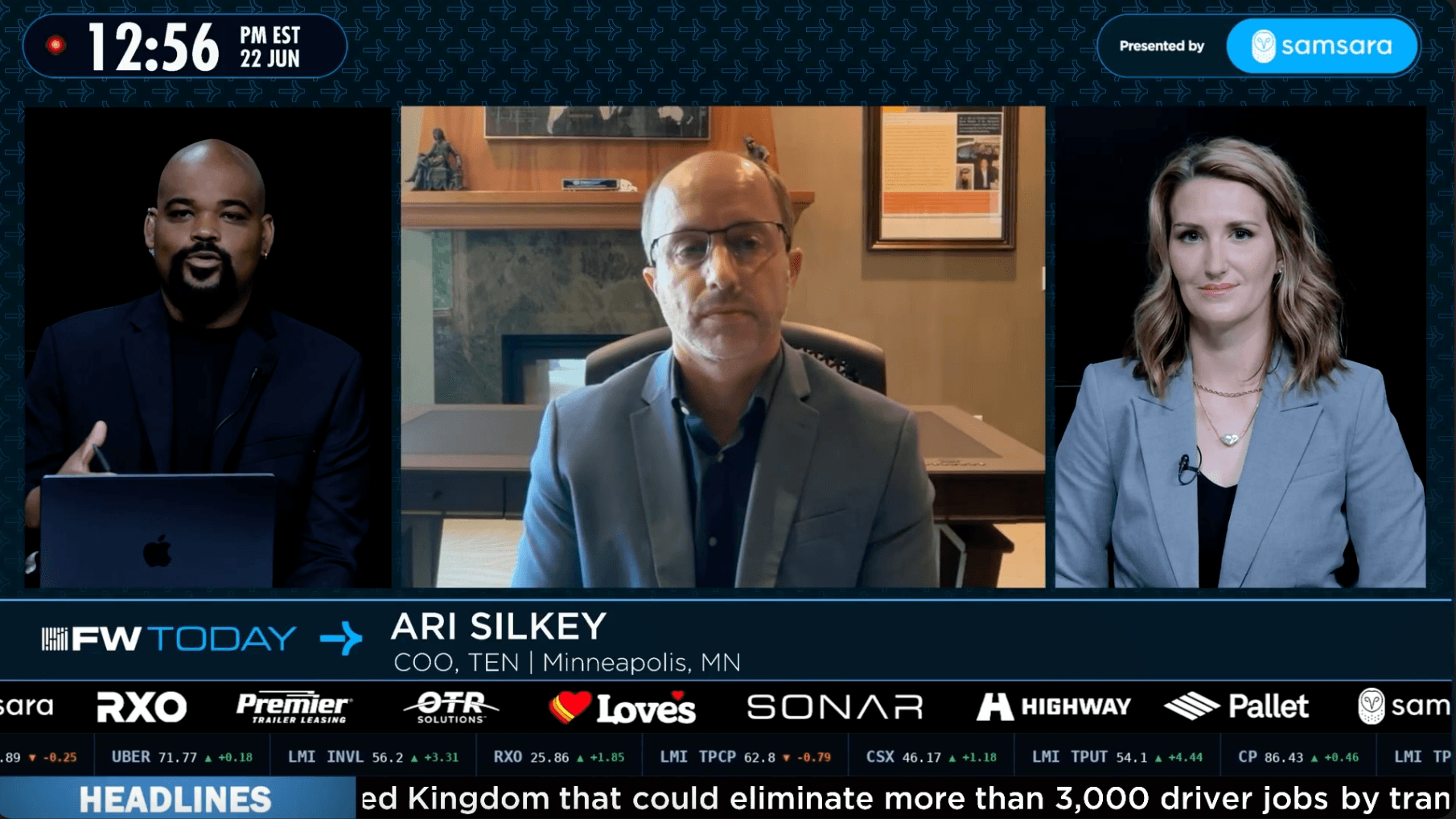
According to FreightWaves, industry leaders gathered on the FreightWaves Today platform to discuss critical operational challenges facing the freight sector. The discussion centered on port drayage operations, network optimization strategies, and the growing role of API-driven technology integrations in streamlining logistics workflows. These topics underscore the industry's ongoing push toward modernization and efficiency gains.
Port drayage—the movement of containers between ports and inland destinations—remains a significant operational bottleneck for many carriers and shippers. Executives addressed how technology solutions and optimized routing protocols can help reduce congestion and improve capacity utilization. The emphasis on API-driven integrations reflects the broader industry trend toward seamless data exchange between disparate systems, enabling real-time visibility and better decision-making across supply chains.
The discussions highlight how freight companies are increasingly turning to technological solutions to address persistent capacity constraints and operational inefficiencies. As supply chain pressures continue, both carriers and technology providers are accelerating their focus on integrations and optimization tools that deliver measurable cost savings and service improvements.