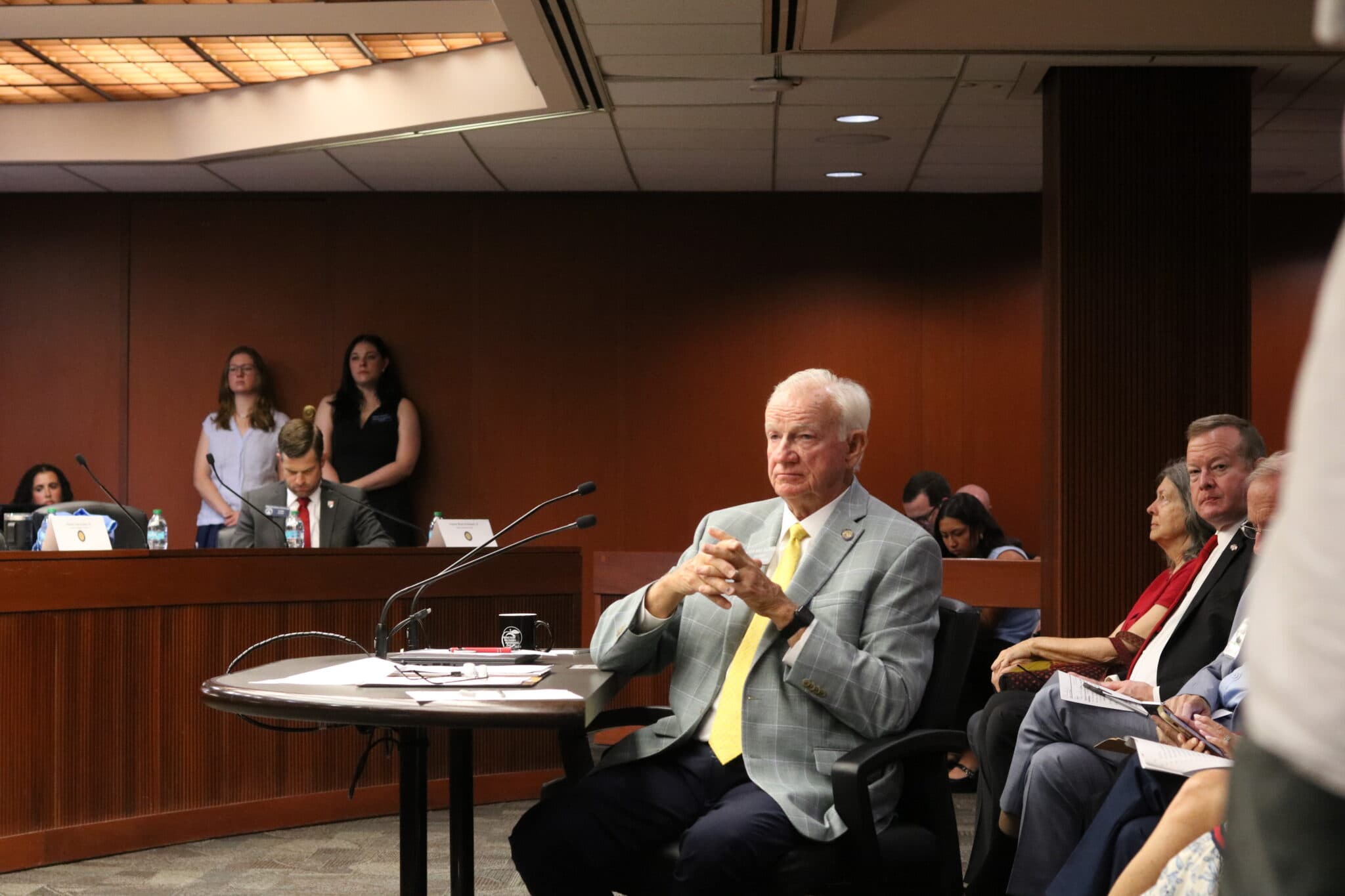
Photo via Georgia Recorder
Georgia's legislative leadership has moved forward with legislation that postpones significant changes to the state's voting infrastructure. According to the Georgia Recorder, the measure extends the timeline for eliminating QR codes from ballots, pushing the deadline to the 2028 presidential election cycle. The bill advanced through the Senate Ethics Committee with an 8-4 vote split along party lines during a special legislative session.
The delay addresses practical concerns surrounding election administration that came to light during recent midterm cycles. By extending implementation to 2028, Georgia gives election officials and election technology vendors additional time to manage the transition without disrupting near-term electoral processes. For businesses involved in government services, compliance, and election administration—including those in the Dalton region supporting state operations—the timeline shift may affect planning and resource allocation.
This decision reflects broader conversations happening across Georgia's business and government communities about balancing modernization with operational stability. The extended timeline allows stakeholders time to assess technology solutions and prepare for eventual implementation. As Georgia continues managing its election systems, local businesses that support government infrastructure should monitor updates to these regulations and procurement timelines.