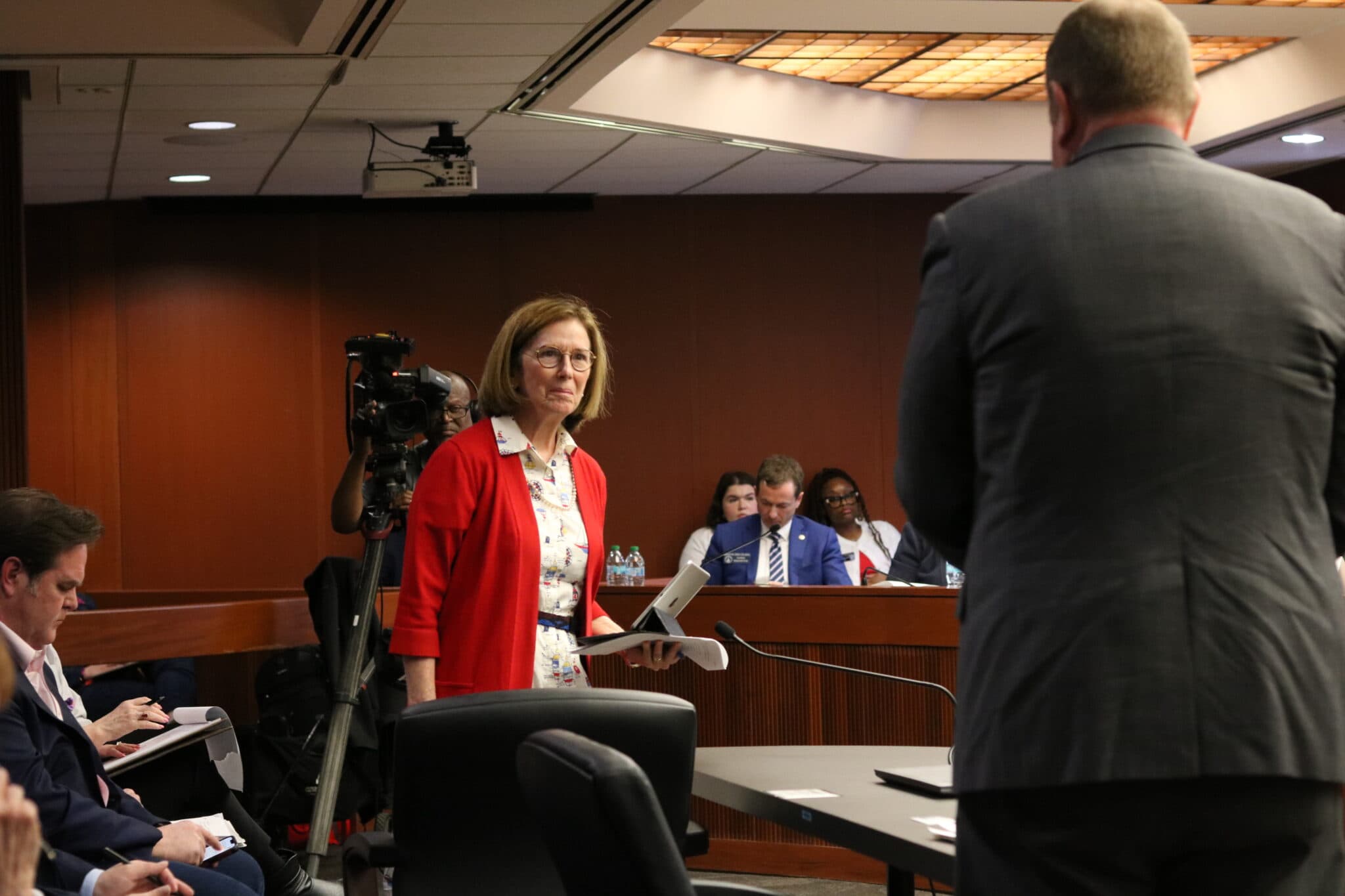
Photo via Georgia Recorder
Georgia's State Election Board has taken a significant step that could reshape how elections are conducted across the state, including in Whitfield County. According to reporting from the Georgia Recorder, the board passed a resolution allowing counties to transition to hand-marked paper ballots ahead of the November 2026 general election. The move represents a departure from current state guidance and has created tension between the election board and the secretary of state's office, which has directed counties to maintain their existing voting machine systems.
The resolution was introduced by newly-appointed Vice Chair Janelle King and marks a notable shift in how Georgia's election leadership views ballot security and transparency. While the resolution is non-binding—meaning counties are not required to implement the change—it signals growing interest in alternative voting methods among state election officials. This regulatory uncertainty may prompt local election administrators in Whitfield County to evaluate their current systems and prepare contingency plans.
The disagreement between the State Election Board and the secretary of state's office highlights ongoing debates about election administration at a critical moment for Georgia. Counties across the state, including those in Northwest Georgia, must now consider whether to maintain their current voting infrastructure or explore the hand-marked ballot option. For Dalton-area businesses involved in election services, technology, or civic engagement, this shift could present both challenges and opportunities as counties evaluate their operational needs.
Local election officials and Whitfield County stakeholders should monitor how this non-binding resolution evolves before the 2026 election cycle. The coming months will likely bring clarification on implementation timelines, costs, and technical requirements. Businesses and organizations involved in county operations should stay informed about potential changes to election procedures that could affect scheduling, staffing, and community engagement.