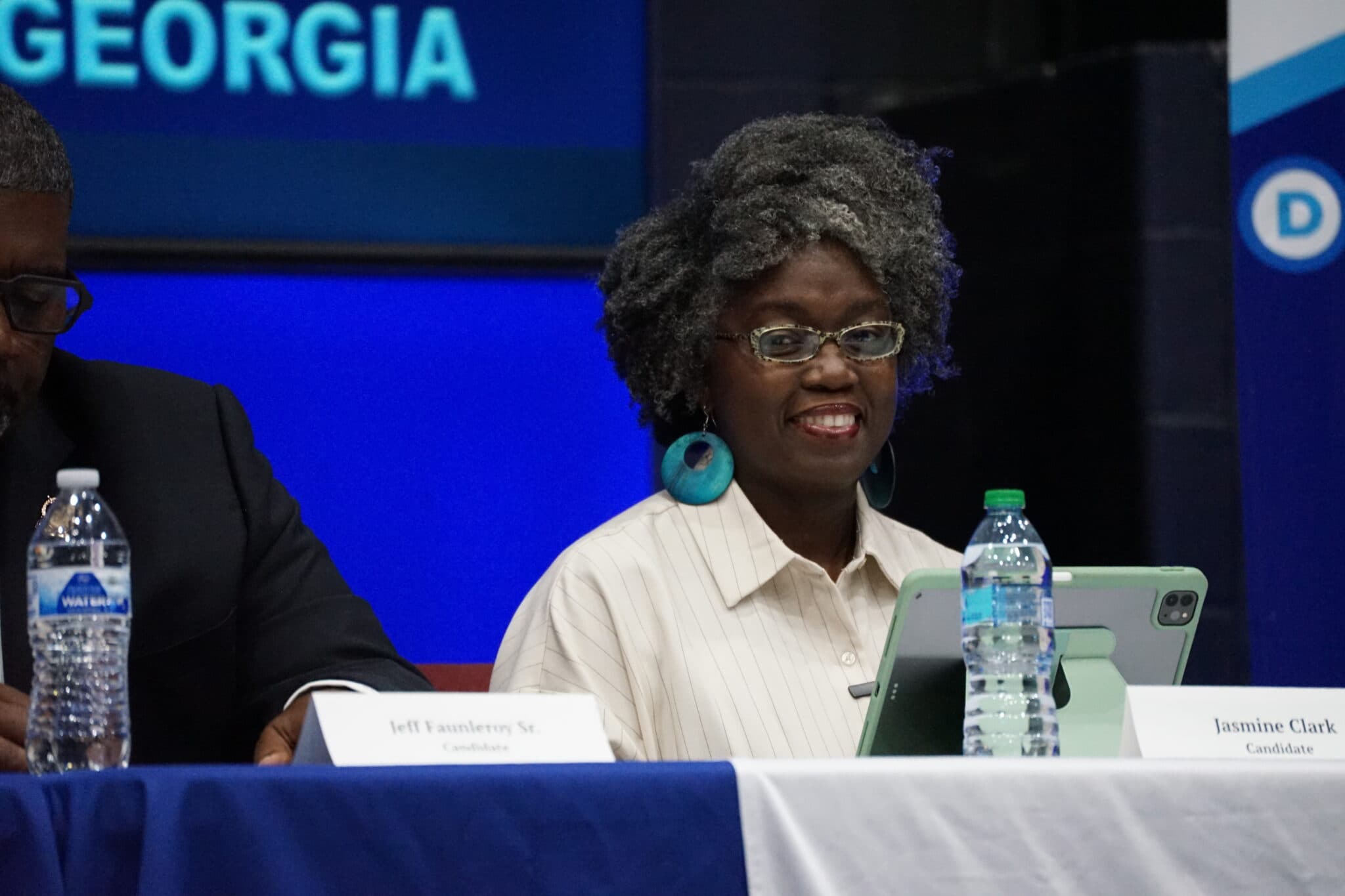
Photo via Georgia Recorder
Georgia's Democratic primary for lieutenant governor has transformed into one of the most contested races on the May ballot, according to the Georgia Recorder. What began as a relatively subdued competition shifted dramatically when a third candidate entered the race late, injecting new energy and strategic disagreements into the contest. For Dalton-area business leaders monitoring state policy developments, this primary could signal important shifts in how Georgia approaches economic regulation and workforce issues.
The three Democratic candidates are now sparring over fundamental questions about their viability and governing philosophy—particularly their ability to either flip the lieutenant governor's seat or effectively work with Georgia's Republican-controlled legislature. These competing visions matter to local business communities, as the lieutenant governor significantly influences legislative priorities on taxation, regulatory burden, and economic incentives that ripple down to regional employers.
Democrats are entering the primary with renewed optimism about their prospects, suggesting this race reflects broader confidence in their candidate recruitment and messaging strategy. For Dalton businesses, the outcome could influence everything from workforce development initiatives to infrastructure investment priorities that the state legislature and governor's office champion in coming years.
As the May primary approaches, business owners and economic development professionals should monitor how these candidates frame their positions on business-friendly policies versus labor protections and regulatory oversight. The winner will likely shape Democratic messaging on economic issues heading into the general election, potentially affecting business confidence and investment decisions across Northwest Georgia.